How Much Do I Have To Tip on a Uganda Safari?
How much do I have to tip on a Uganda safari? This is one of the questions often asked by most visitors on safari in Uganda. To start with, tipping is not a must-do thing on a safari in Uganda. Those in the service sector least expect it to happen after providing a service. Usually, visitors go on a Uganda safari as a way to show appreciation for the great service rendered to them by a particular staff or team.

What to consider before tipping on a Uganda Safari?
Tipping is a way of saying thank you! How much you plan to tip depends on your heart. When choosing who or whom to tip, always consider those who provide services. While this category is paid by their employers, the amount can be small and a tip serves as an extra or supplement to what they earn. Remember most of them have to wait till the end of the month to earn a salary yet they have basic needs back home to be met.
Besides, the general nature of tourism is that it is very seasonal and the most affected persons are those in this sector. The most active working period is usually the peak months of the year (June to August then December to February). The off-months mean the majority of those in the tourism sector are literary unemployed. A tip on a Uganda safari is of great help to those whose income is largely derived from tourism operations.
When you tip a waiter, waitress, or safari driver/guide, you may not know the endless smiles you could have created. The smiles go beyond the person who receives them directly but descend to the persons who depend on that person for several things including basic needs.
Who should be tipped on a Uganda safari?
Not everyone should be given a tip. Some of the categories to consider for tipping on a Uganda safari include the following;
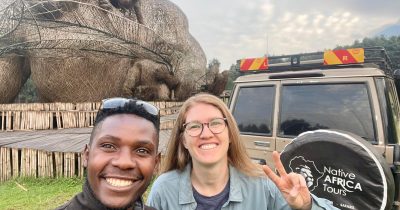
Safari/tour drivers: On a guided safari in Uganda, one person you should consider tipping is the driver or safari/tour guide. Remember this is the person whom you will be spending the entire trip with from the very starting day till the end. Imagine you are on a 14-day Uganda safari or 20+ days exploring Uganda with your driver guide. Safari drivers are the ones with vast knowledge about the destinations you plan to explore on a short or long Uganda safari. He is the one who ensures that you are safe and secure in the destination to mention but a few.
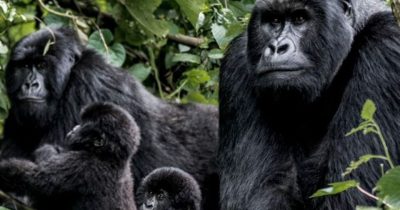
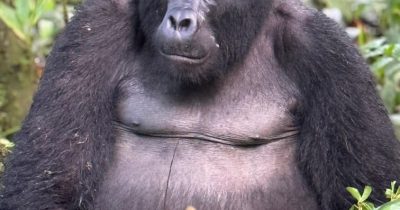
Destination/site guides: The person who takes you deep into the rainforest to find your favorite apes –mountain gorillas, chimpanzees, and golden monkeys or Big 5 game in the savanna parks. That person deserves a tip. It can be other tourist sites for instance museums, art galleries, monuments, and more.
Trackers: On actual gorilla trek or chimpanzee tracking, the trackers are the ones who get to the forest early. They keep in touch with the park ranger guides on where gorillas or chimpanzees are found. As a result, they have made trekking simpler for guests and also guides.

Waiters/waitresses: These can be met at the restaurants or hotel/safari lodges. They are the ones who provide food, drinks, and other services to make your stay memorable.
Porters: These should not be left out too when it comes to tipping. Often, porters are hired to assist visitors in carrying their heavy luggage and also to provide support, especially when navigating through areas that are slippery, muddy, and steep.
Security personnel: Always available at the gate to ensure there is maximum safety and security in the property or place you will be spending your holiday. Often, they are left out due to limited interface with clients.
So how much should I tip on a Uganda safari?
The amount a visitor decides to tip differs significantly. But to guide you, here are our recommendations. The tour/safari driver guide can be tipped from USD 10 to USD 15 per day and this can be done by each guest in the vehicle. The destination guides can be tipped USD 15 to USD 20 per guest while waiters, waitresses plus the rest of the lodge/hotel support staff can get USD 5 each. The porters and trackers can be tipped USD 5 to USD 10, then security personnel can also get USD 5. This is not exactly what can you tip. The amount can vary depending on your generosity.
When to tip on a Uganda safari
Tipping can be done after service has been rendered to you. Visitors can tip individuals or a group. A group of staff can be best tipped using their tipping box which is usually available at the work premises. You can even inquire where you can place group tips from one of the staff members. The amount given can then be shared amongst the service providers.
What currency should you use for tipping on Uganda safaris?
On Uganda safari, tipping can be done using local currency which is Uganda shillings. The US Dollar is also acceptable. Depending on the location, the best is to tip using local currency –Uganda shillings. The advantage of tipping using Ugandan shillings is that those far from forex bureau’s do not need to stress themselves moving in search for places to covert what they have been topped like those who get in dollars. Tipping in dollars is best for persons who have access to forex bureaus. Especially those around urban areas like Kampala, Entebbe, banks, or those in the National Parks or safari lodges.

What to do on a Uganda safari
On Uganda safaris, there are multiple things to engage in as an individual or group. The popular experiences to enjoy on a safari in Uganda include gorilla trekking. Gorilla trekking in Uganda is only available in Bwindi Impenetrable National Park and Mgahinga Gorilla National Park.
Chimpanzee tracking –an exceptional primate adventure enjoyable across numerous locations in Uganda. Top chimpanzee trekking destinations in Uganda include Kibale National Park, Kyambura Gorge, Budongo, and Kalinzu Forest.
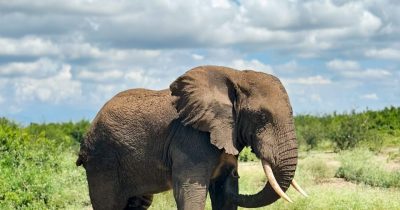
Game drives –best done in all the savanna parks in Uganda; Kidepo Valley National Park, Lake Mburo, Queen Elizabeth, and Murchison Falls National Park.
Boat cruise to explore aquatic life in the pearl of Africa and the ideal spots for this include Murchison Falls, Lake Mburo, Kazinga channel in Queen Elizabeth National Park, and others.
Bird watching/birding; Uganda holds over 1100 species of birds that are distributed across several birding sites including all the 10 National Parks, wetlands like Mabamba wetland, Lutembe Bay wetland, and others.
Adrenaline adventures in Jinja include bungee jumping, kayaking, whitewater rafting, jet boating, tubing, and more.
Visitors can also book and engage in quad biking, cycling tours, mountain gorilla habituation experience, golden monkey tracking, chimpanzee habituation experience, mountaineering, and others.
When to travel for Uganda safaris
The dry season is by far the perfect period to consider when planning for a successful safari in Uganda. The dry season occurs twice a year and is marked by long and short dry months. The long dry months are June, July, August, and September. while short dry seasons take place starting December, January to February.