Rwenzori Mountains National Park
Rwenzori Mountains National Park (RMNP) is a UNESCO World Heritage Site in Western Uganda. It is found along the eastern side of the Western Albertine Rift Valley, on the Uganda-Congo border. Mt. Rwenzori National Park is one of the oldest parks, created in 1991, and declared a UNESCO site in 1994.
Rwenzori Mountains National Park gets its name from the Mountains of the Moon, also popularly known as the Rwenzori Mountain ranges. This block mountain is also home to Africa’s 3rd tallest mountain. The Rwenzori Mountains comprise six peaks, but the highest is Margherita (5109m). Five additional peaks/mountain ranges include Mount Luigi da Savoia, Mt. Stanley, Baker, Speke, and Emin Pasha. The summits of the Rwenzori Mountains of the Moon are breathtakingly snow-capped, making it one of the few distinct block mountains.
The Rwenzori Mountains also feature unique vegetation—alpine areas with floral species, waterfalls, snowfields, glaciers, and more. The distinct vegetation zones vary depending on the altitude but consist of mosses, bamboo, moorland, lobelias, heathers, and montane forests.
History
In 1991, the Rwenzori Mountains National Park was fully gazetted as a National Park in Uganda. Later, in 1994, it was declared a UNESCO World Heritage Site, considering its incredible natural beauty. Today, this beautiful UNESCO Site occupies an area of about 998 sq. Km in Kasese district, Western Uganda. The park is also actively involved in conservation efforts, including protecting its unique flora and fauna and preserving its cultural heritage.
Tourist Attractions to explore: Mt. Rwenzori Mountains National Park
Wildlife
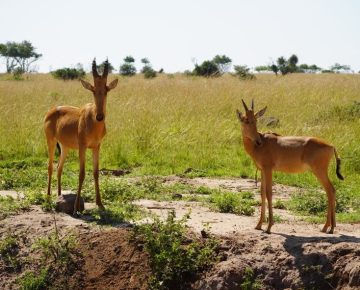
The lush vegetation of Rwenzori Mountains National Park is home to about 70 mammals, including six species of the Albertine Rift and three to four Rwenzori endemic species. The park’s key mammals, such as chimpanzees, duikers, leopards, elephants, L’hoest’s monkeys, black and white colobus monkeys, blue monkeys, hyrax, bushbucks, and Rwenzori otters, offer a unique and exciting wildlife experience. Reptiles like three-horned chameleons add to the diversity of the park’s inhabitants.
Birds
More than 217 species of birds, the majority of which are Albertine rift endemics, are sheltered here. The park’s birds include montane sooty boubou, archer’s robin chat, handsome francolin, barred long-tailed cuckoo, Rwenzori turacos, golden-winged sunbird, white-starred robin, cinnamon-chested bee-eaters, greenbul, flycatchers, strange weaver birds, Rwenzori batis, etc.
Lakes
Rwenzori Mountains National Park alone is estimated to have about 20 lakes, most of which can be seen while trekking to the Margherita peaks. They include Lake Bujuku, Lake Mahoma, and more. Lake Mahoma is at an elevation of 2651m and is the most accessible of all the park’s lakes.
Equatorial snow peaks
Rwenzori Mountains National Park is renowned for its breathtaking snow-capped peaks, a sight that leaves hikers in awe and inspires them to conquer these natural wonders. The different peaks that make up the Rwenzori Mountains of the Moon, such as Mt Stanley, where the Margherita is found, Mt. Baker, and Mt Speke, offer mountaineers a challenging yet rewarding experience.
Bulemba Houses
Bulemba are historical houses where the remains of the 1st Rwenzururu king and other leaders, including Isaiah Mukirania Kibanzanga, are sheltered. On 2nd September of every year, Bakonzo gather here to commemorate their king, making it a significant cultural site within the park.
Tourist Activities in Rwenzori Mountains National Park
Mountaineering
Hiking Rwenzori Mountains National Park safari is either a mountaineering adventure or simple nature walks. This is captivating and takes you to different summits with focus to conquer the Margherita peak at 5109m. Two remarkable trails exist and they lead to the summits of Rwenzori Mountains.
The central circuit trail takes at least 7 days or more, and you navigate via Mihinga-Nyabitaba through Bujuku valley. Kilembe trails, the southern route, are located close to Kasese town. It takes you via glacial lakes and joins the central circuit at Lake Kitandara.
Nature walks
There are different ways to conquer the Rwenzori Mountains and explore the park’s hidden treasures, and nature walking is one of them. Areas of interest for nature walking include Karangura Ridge, Buraro chimpanzee forest, Kichwamba local communities, and more. On a nature walk, you come across different species of birds and animals. You will also enjoy breathtaking views of the snow-capped peaks.
Bird watching
Birding in Rwenzori Mountain National Park includes sightings of birds such as barred long-tailed cuckoos, Rwenzori turacos, golden-winged sunbirds, white-starred robins, montane sooty boubous, archer’s robin chats, handsome francolins, cinnamon-chested bee-eaters, greenbuls, flycatchers, and strange weaver birds.
Cultural encounters
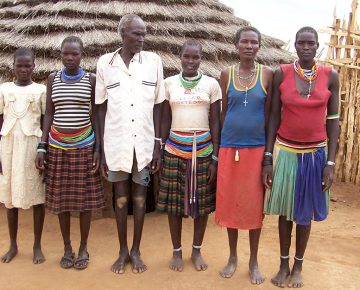
Bakonzo and Bamba local communities surround Rwenzori Mountains National Park, with unique cultures, traditions, and lifestyles to showcase. The best way to experience cultures here is by embarking on the Bulemba-Ihandiro cultural trail. The trail lets you meet the Muhima traditional healer, learn about traditional healing practices, and engage in hands-on experiences like basket weaving and fire making. You can also visit the Kamusonge River or the Konzo Museum, where the Rwenzururu cultures are showcased.
Best time to visit the Park
For those planning a mountaineering adventure in the Rwenzori Mountains National Park, it’s crucial to consider the best time to visit. The dry season, which includes the short and long drier months from June to September, is ideal for mountaineering. I want you to know that planning your visit during this period will ensure the best conditions for your trek. Alternatively, you can also plan your mountaineering holidays from December to February.
Where to stay on a Rwenzori Hiking Safari?
On mountaineering, camping is the available accommodation choice for climbers. At the base, there are many comfortable places to stay before or after your trek. They include Rwenzori Backpackers, Equator Snow Lodges, Rwenzori International Hotel, Ruboni Community Camp, Ihamba Lakeside Safari Lodge, Sandton Hotel Kasese, Mihunga Safari Lodge.
Getting to the Rwenzori Mountains National Park, Uganda
From Kampala city center to the Rwenzori Mountains National Park covers a distance of about 437 km. It is possible to get there using two routes. The Kampala via Fort Portal route or Kampala-Masaka-Kasese route. You can take the Kilembe or Nyakalengija central circuit on the climbing day. By air, plan for a chartered/scheduled flight that leaves from Entebbe International Airport. Alternatively, you may use Kajansi Airfield and land at Kasese airstrip, then transfer to the park in a 4×4 safari vehicle.