The Cost of Group Safaris in Rwanda
Rwanda has emerged as a premier destination for safari enthusiasts. With its stunning landscapes, diverse wildlife, and robust conservation efforts, it offers a unique experience for travellers. However, understanding the costs associated with group safaris is essential for planning an unforgettable trip. This article explains various aspects of the cost of group safaris in Rwanda, helping travellers make informed decisions on their journey.
Rwanda’s Safari Opportunities
Before diving into costs, it is important to note the unique safari experiences Rwanda offers. Unlike traditional savanna safaris seen in countries like Kenya or Tanzania, Rwanda is renowned for its mountainous terrain, primarily featuring:
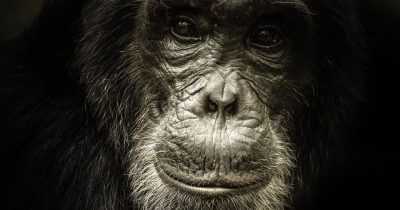
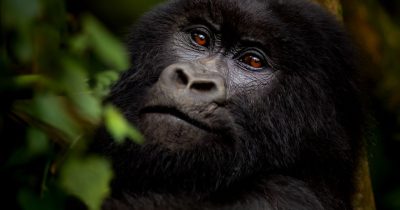
The most famous safari activity in Rwanda allows travellers to observe the critically endangered mountain gorillas in their natural habitat within Volcanoes National Park.
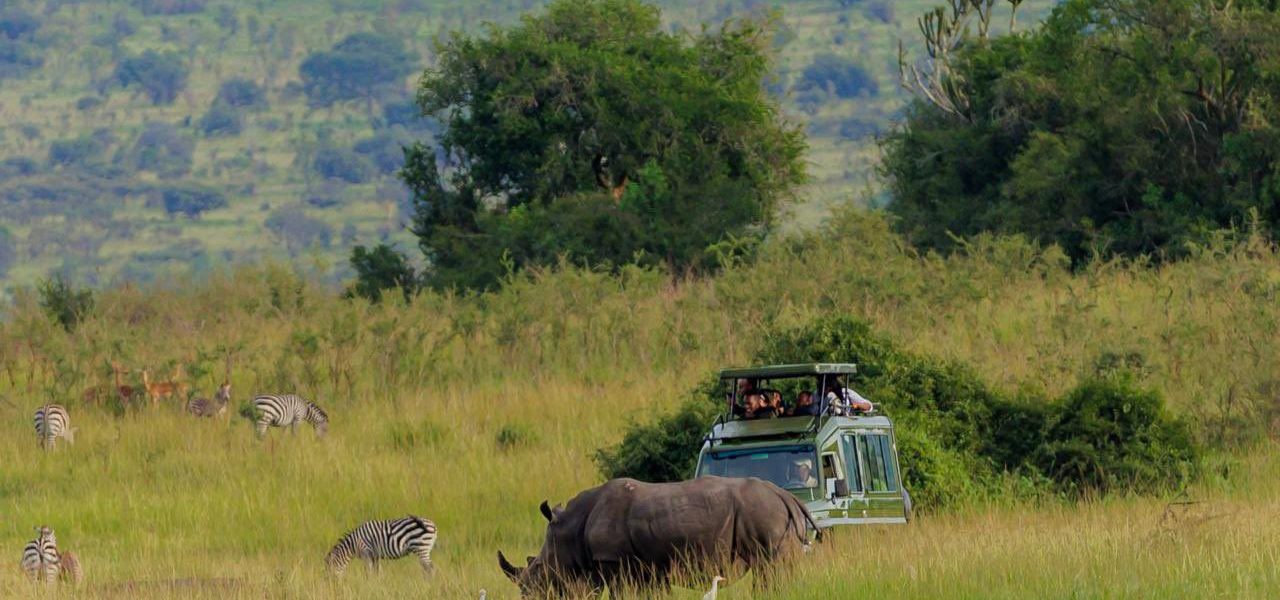
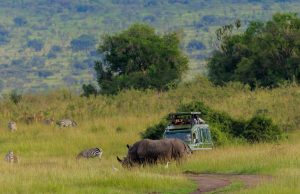
While not as widely known for big game, Rwanda hosts various parks, such as Akagera National Park, where visitors can spot elephants, lions, rhinos, and diverse bird species. Engaging with local cultures, including the Batwa and other communities, adds a rich layer to the safari experience.
Types of Group Safaris in Rwanda
Group safaris in Rwanda can vary significantly in terms of style, duration, and inclusivity. These factors will ultimately influence the cost.
Budget Group Safaris typically involve basic accommodations, shared transportation, and fewer amenities. Mid-Range Group Safaris offer better accommodations, more comfortable transport, and include most meals and activities. Luxury Group tours provide high-end lodges, private tours, gourmet meals, and exclusive experiences.
Breakdown of Costs for Group Safaris in Rwanda
The cost for group safaris can be categorised into several primary components.
Permits
One of the highest cost for a group safari, especially for those interested in gorilla trekking, is the permit fee. As of 2026, a gorilla trekking permit in Rwanda costs $1,500 per person. While this might seem high, it goes directly into conservation efforts and supports local communities. For wildlife safaris in Akagera National Park, entry fees for locals and residents differ from those for foreigners. The cost can range from $100 person. It is important to account for this while planning.
Accommodation
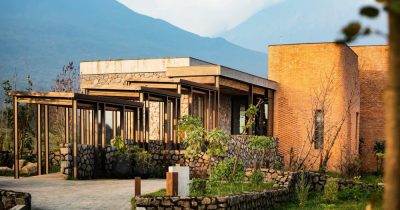
Accommodation costs vary based on the type of safari chosen. Options can range from budget guesthouses costing around 200 to high-end lodges exceeding $3000 per night. Group safaris typically offer accommodations that can house everyone, allowing for shared rooms to reduce costs.
Transportation
Transportation is another crucial part of the safari cost. Most group safaris will include transportation in the package. Costs can vary based on the mode of transport. 4×4 safari vehicles are usually shared among the group, offering comfort and reliability. Daily rental rates can range from $100 to $250. For longer distances or luxury safaris, travellers may opt for a chartered flight, significantly increasing costs.
Meals
Most safari packages will include meals, but travellers should confirm this when booking. Average meal costs in Rwanda can be estimated as follows:
- Budget meals: $5 – $15
- Mid-range meals: $15 – $30
- Fine dining: $30 and above
Activities
In addition to gorilla trekking permits, there are other activities available that might incur additional costs. Canoeing in Akagera National Park costs $30 – $50 per person. Bird watching is often included in safari packages, but can also cost around $20 – $40. Cultural tours in Rwanda can range from $15 to $100 depending on the experience.
Group Size and Its Impact on Costs
The size of the group can significantly impact overall costs. A larger group can reduce the individual cost per person due to shared expenses. However, it is essential to consider the experience and comfort level. Smaller groups often allow for more personalised experiences and better access to guides.
Seasonal Pricing
The time of year you choose to travel can greatly affect pricing. Rwanda experiences two main seasons. Dry Season (June to September, December to February) is generally considered the best time for gorilla trekking, leading to higher demand and prices. Expect costs to be at their peak during this time. Wet Season (March to May, October to November), fewer tourists mean lower prices, but rain can affect visibility and access, especially in rural areas.
Tips for Reducing Costs
Book Early: Securing permits and accommodation in advance can help avoid last-minute price spikes.
Travel Off-Peak: Visiting during the wet season can yield substantial savings, though be prepared for weather-related challenges.
Join a Group: If solo, consider joining an established group tour. Not only does it lower costs, but it also enhances the experience through social interaction.
Negotiate: Some tour operators might be open to negotiation, especially during the off-peak season.
Choosing the Right Tour Operator
Selecting a reputable tour operator can significantly influence the cost and quality of your safari. Here are some tips for choosing the right one. Read Tripadvisor reviews, compare prices, and ask for recommendations. Ensure the pricing structure is clear, with no hidden fees. Look for operators with experience in Rwandan safaris or similar environments.
Rwanda’s unique landscape and rich biodiversity provide an unparalleled safari experience. However, navigating the costs associated with group safaris can be challenging. By understanding the various factors influencing these costs. From permits and accommodation to transportation and activities. Travellers can better plan their trips without overspending.
Whether opting for budget-friendly options or indulging in luxury experiences, the rich culture and natural beauty of Rwanda promise a safari adventure that will leave lasting memories. With careful planning, group safaris in Rwanda can be both a cost effective and unforgettable journey into one of Africa’s most beautiful countries.