Gorilla Trekking in Rwanda: Age Limits, Permits, and Rules Explained
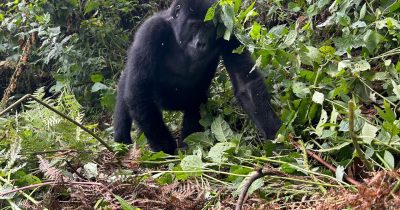
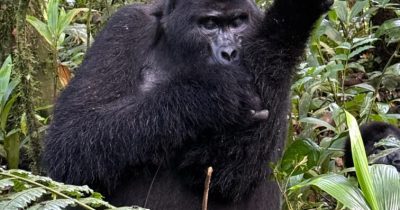
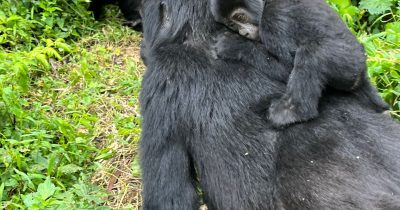
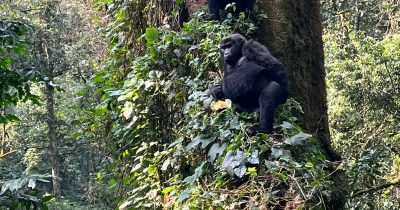
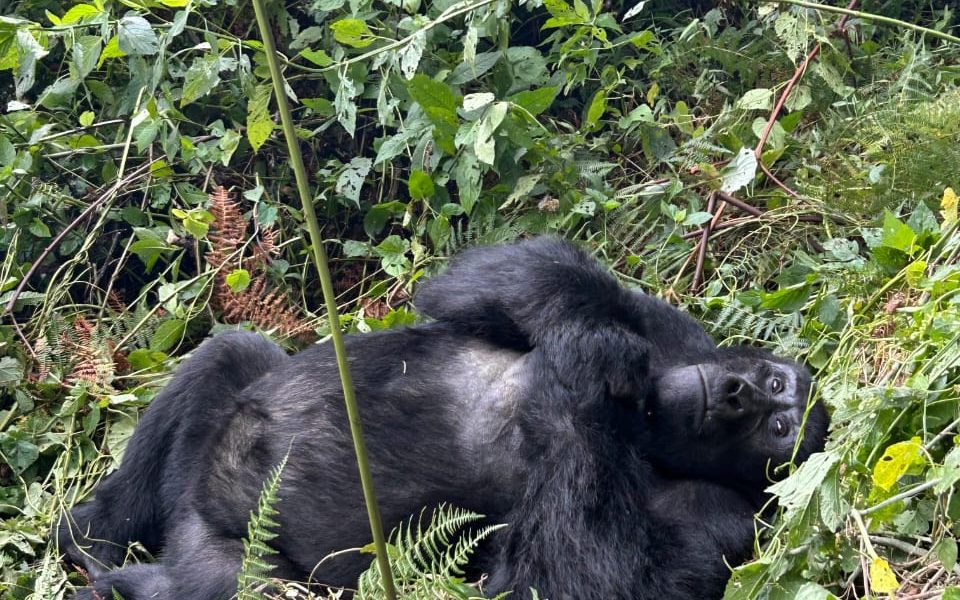
Everything you must know about gorilla trekking in Rwanda. Seeing mountain gorillas in their natural habitat is always on the bucket list of pretty much every traveller visiting Rwanda and Africa in general. The thrill of seeing these majestic creatures emerge from the thick vegetation or catching a glance of female gorillas nursing their infants or blackbacks grooming each other ranks among wildlife enthusiasts’ most cherished dreams.
Rwanda offers one of the World’s most spectacular opportunities to encounter the endangered mountain gorillas in their natural habitat, in the beautiful Volcanoes National Park found in the Northern Province of the country.
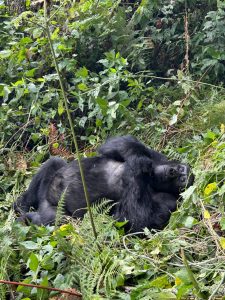
There are currently 3 countries that officially have mountain gorillas, Rwanda having the second highest population of these Giant Apes after Uganda. There are a number of habituated gorilla families that can be visited during Rwanda gorilla safaris. In this article, we explore what to expect when seeking out these magnificent creatures, the age limit for gorilla trekking in Rwanda, the cost, and how to book gorilla permits, the best time to go for this once-in-a-lifetime adventure, and how to get to Volcanoes National Park.
Talking of Volcanoes National Park, it is a 160-square-kilometre Protected Area with Bamboo forest, lush rainforest, grasslands, swamps, and other vegetation types, and the Virunga Volcanoes. But of course, almost everyone visits this beautiful safari destination for the main attraction- mountain gorillas.
This Park is home to a thriving mountain gorilla population, totalling about 35%. Mountain gorilla numbers change, with increased conservation efforts and reproduction. As a primate enthusiast, this also means your chances of spotting these Giant Apes are one of the best in Rwanda. You will be lucky to spot one of the 12 habituated gorilla families on your Rwanda Gorilla Trekking safari.
How Rwanda Gorilla Trekking is done
First-time gorilla trekkers to Rwanda often arrive with expectations shaped by wildlife documentaries. While mountain gorilla encounters are almost 98% guaranteed, most require patience and persistence because gorilla treks aren’t ordinary walks but involve hiking through areas of varying elevations, for several hours (sometimes lasting up to 6 hours, depending on the location of the gorilla family).
A typical gorilla trekking day begins with a briefing at Kinigi Park Headquarters, starting at 7:00 am and ending by 8:00 am. Then go through the allocation process (being assigned a gorilla family based on your physical fitness, age, and interest).
After briefing and allocation to the gorilla family, you will be required to drive to the trailhead/starting point of your gorilla family, and this drive can last anywhere between 20 and 30 minutes. Slowly start the search for the mountain gorillas and expect to hike small hills, cross valleys and rivers, sometimes even falling, but with a porter (not mandatory but recommended), you will get the required support and the weight of your bags reduced as the porter helps to carry your backpack and camera equipment.
However, the experience extends far beyond just spotting mountain gorillas. The anticipation, the tacking process, and the incredible diversity of other wildlife encountered along the way all contribute to the adventure. From bird calls to the guide announcing mountain gorillas’ presence, each moment in this adventure offers something special.
You have one hour of photography and viewing once spotted, then return to the base and to your accommodation.
Age limit for Rwanda Gorilla Trekking
Rwanda gorilla trekking (or anywhere else the adventure is offered) has a minimum age of 15 years for safety reasons. First, gorilla treks are generally hectic, and younger children may not have the physical fitness required to conquer the different terrains.
Also, younger children might not have the composure of being in the presence of mountain gorillas, especially when they charge.
Additionally, young children are most likely to transmit and acquire communicable diseases, especially flu and cough, which affect mountain gorillas.
Cost and How to book a Rwanda Gorilla Trekking permit
Before you think of how to book a Rwanda Gorilla Trekking permit, let’s first delve into the cost of these permits, without which you won’t be allowed to access any of the 12 habituated gorilla families. These permits cost $1500 per person and guarantee a one-hour encounter with the Giant Apes in their natural habitats once sighted.
When it comes to booking Rwanda Gorilla trekking permits, you will most likely hear about the whole DIY vs. non-DIY discussion, which we need to get out of the way. Yes, you could decide to go through the struggle of finding/booking your accommodation around Volcanoes National Park and how to get to the Park, but when it comes to gorilla permits, you can only book them through a credible Travel Agent. On the other hand, you could pay a minimal commission to have your accommodation, transportation, gorilla permits, and every logistical support organised for you. We always recommend the latter, although you can do your research and request any accommodation of your interest. Then let the Travel Agent deal with the logistics of organising your Rwanda Gorilla trekking safari.
When it comes to the best time to book your gorilla trekking permits, we can say gorilla safari bookings are open even a year or two in advance. As soon as you know your travel plans, reach out to Native African Tours to make your booking and ensure the intended gorilla trekking dates and choice of accommodation are catered for.
Rwanda Gorilla Trekking Guidelines
Gorilla trekking tours can lead to once-in-a-lifetime Vacation photos. However, while memorable for tourists, these adventures can disrupt mountain gorilla feeding patterns or make them uncomfortable if not done responsibly. This is why several guidelines need to be followed at all times, and these include;
- Maintain a minimum distance of 7 meters from mountain gorillas. We understand that it can be tempting to try to get close to these majestic creatures, and for this reason, it is important to view them from a safe and respectful distance (of 7 meters) for their safety- and yours.
- Don’t feed (or attempt to feed) mountain gorillas, as it is a harmful thing, likely to lead to the spread of diseases and bring about dependence on humans.
- Limit time spent in the presence of mountain gorillas (observing and taking photos of them) to 60 minutes to reduce behavioural changes or disrupting their day-to-day routines.
- Avoid direct eye contact with mountain gorillas. While it might seem like a harmless thing, these Giant Apes might perceive it as a provocation for a fight/or trying to challenge them.
- Avoid flash cameras during photography as they can startle the Giant Apes, causing agitation and aggressiveness, thus disrupting your gorilla viewing experience.
When to go for Gorilla Trekking in Rwanda
Let’s face it, the best time to visit is whenever you are going to be in Volcanoes National Park. Should you happen to have that flexibility, then the most unforgettable experiences are derived during the dry season, from June to October, and then from December to February. The hot weather means the trees have less foliage and forest trails become less muddy and slippery, thus making it less challenging to seek Giant Apes in their natural habitats.
Rwanda Gorilla trekking safaris are busiest during the dry season, which coincides with the “peak season”. During these months, gorilla permits are in high demand, and accommodation availability is sometimes challenging, thus advisable to book at least 12 months in advance to get your desired gorilla trekking dates.
The wet season, from March to May and then November, coincides with the low season because of the associated difficulties of gorilla trekking during this season. Thanks to the increased rainfall levels, there’s denser foliage, and forest trails are muddy and slippery. These make it challenging to seek out the mountain gorillas in their natural habitat.
What to bring on your Rwanda Gorilla Trekking safari
When it comes to an unforgettable Rwanda Gorilla Trekking safari, consider bringing the following;
- Sun protection: You will need a sunscreen and a wide-brimmed hat for the scorching afternoon temperatures.
- Warm rain jacket: Regardless of the season, a rain jacket is handy as mountain gorilla natural habitats are generally marked by high altitudes and dense vegetation, which are all favourable conditions for all-year-round rainfall.
- Pair of binoculars: This will help view and search for small and far animals, especially primates and birds, which are common sights during your gorilla trekking adventure.
- Enough drinking water and energy-giving snacks are recommended for staying hydrated and energized during your Rwanda gorilla trekking adventure, which typically lasts anywhere between one and six hours.
- Hiking boots are a must for maneuvering through the forest.
- Lightweight long-sleeved and safari pants are ideal for the dense foliage, which sometimes scratches the skin while on this unforgettable adventure.