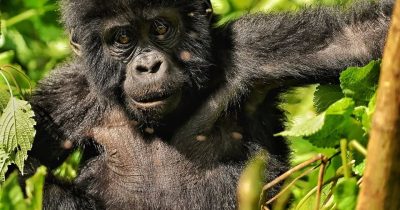
How long does the Gorilla Habituation Experience Last?
The world of wildlife tourism offers unique opportunities for travellers to engage with nature in meaningful ways. Among these experiences, gorilla trekking stands out as an unforgettable adventure, allowing participants to witness one of the most majestic creatures on the planet in their natural habitat. A cornerstone of this experience is the process of gorilla habituation, which refers to the gradual process of making wild gorillas accustomed to human presence. This article explores the duration of the gorilla habituation experience, its significance, and the intricacies involved.
What is Gorilla Habituation?
Habituation is a behavioural process through which animals become accustomed to the presence of humans. This is particularly crucial for species like mountain gorillas, which are both endangered and sensitive to human interactions. The goal is to allow researchers and tourists to observe these magnificent creatures without causing them stress, thus promoting conservation efforts.

Why do gorillas need to be habituated?
Gorilla habituation serves several purposes. By making gorillas more tolerant of human presence, researchers can study them without interfering with their natural behaviours, which helps in conservation strategies. Habituation allows for eco-tourism, providing financial incentives for conservation efforts and local communities. It also enables researchers, conservationists, and tourists to gain a deeper understanding of gorilla behaviour, social structures, and ecology.
The Duration of the Habituation Experience
The process of habituating gorillas typically takes several years and involves multiple phases.
Observation Phase: This initial phase can last anywhere from six months to several years, during which researchers observe gorillas in the wild from a distance. The goal is to gather data on their behaviour and identify social structures.
Proximity Phase: Once the gorillas have become familiar with human presence, researchers begin to move closer. This phase requires patience and can take additional months or years.
Integration Phase: In this final phase, researchers start interacting more directly with the gorillas, allowing for closer observations and eventual tourism. This phase can last anywhere from one to two years.
Typical Duration for Tourists
While the entire habituation process can take years, the tourist experience itself (often referred to as the Gorilla Habituation Experience) typically lasts about four hours per trek. Each trek allows small groups of visitors (usually 4) to spend time with semi-habituated gorilla families.
During the Gorilla Habituation Experience, trekkers have the chance to engage with gorillas in their natural habitat. Tourists usually hike through dense rainforest to reach the gorilla families, which can require physical endurance. Once the gorillas are located, tourists can observe them up close for about four hours, although this may vary based on the specific group of gorillas and their behaviour on the day of the trek.
Understanding Trek Duration
The time spent in the field can vary significantly. Wild animals do not always stay in one location, and their movements can dictate how much time tourists have with them. Rain and fog can make trekking challenging, affecting both the time taken to reach gorillas and the overall experience. The treks can range from easy to strenuous, based on the altitude and terrain, which influences how long it takes to reach the gorillas.
Factors Influencing the Habituation Experience Duration
Several factors can influence the duration of the gorilla habituation experience.
Geographic Location
The location of the gorilla families plays a significant role. Gorillas in regions like Bwindi Impenetrable National Park in Uganda and Volcanoes National Park in Rwanda are habituated to tourists but may show varying levels of tolerance, depending on their individual personalities.
Specific Gorilla Groups
Some gorilla groups may be more accustomed to human presence than others. Habituation efforts targeting specific families may yield different results based on their past experiences with humans. For example, groups that have been closely monitored for longer periods may offer more opportunities for interaction.
Ethical Considerations
Tourism operators must balance visitor experiences with the welfare of the gorillas. If gorillas show signs of stress, such as fleeing or displaying aggressive behaviour, guides are trained to prioritise animal welfare over human interests. This adaptability can affect the duration of the experience on any given day.
The impact of gorilla Habituation on Conservation
The Role of Trekking Permits
The limited number of trekking permits issued by national parks is designed to control the number of visitors and minimise the impact on gorilla populations. Most parks issue only a select number of permits per day, contributing to a more intimate experience and enhanced conservation efforts.
Economic Impact
Eco-tourism benefits local communities by providing employment opportunities and financial incentives for conservation. The revenue generated from these experiences is often used to fund preservation initiatives, thereby supporting gorilla conservation in the long term.
Community Involvement
Local communities play an integral role in the habituation process. Many parks engage community members as guides, enabling them to share their knowledge of the rainforest and gorilla families with visitors. This not only aids in the habituation process but also fosters community pride and involvement in wildlife conservation.
Personal Reflections from Gorilla Habituation Experience
Emotional Impact
Participating in the gorilla habituation experience is often described as life-changing. Observing these magnificent creatures in their natural environment evokes powerful emotions and fosters a deeper connection to wildlife and nature.
Educational Insights
Many trekkers leave with a new understanding of gorilla behaviour, social hierarchies, and the challenges faced by these animals due to habitat loss and poaching.
Conservation Awareness
The experience often ignites a passion for conservation, motivating individuals to contribute to efforts aimed at protecting gorillas and their habitats long after they return home.
How about you Pack your Bags and go for this Amazing Experience?
The gorilla habituation experience is a unique and immersive adventure that lasts several years in terms of the habituation process. But it offers tourists an unforgettable encounter lasting about four hours during trekking. As these incredible animals become more familiar with human presence, the opportunity to observe them is not only a thrilling experience but also an essential aspect of their conservation. The balance between tourism and gorilla welfare is delicate, requiring continuous efforts from both researchers and tourists to ensure the long-term survival of these magnificent creatures. Participating in a gorilla habituation experience is more than just a trek. It is an opportunity to connect with nature and become a steward of conservation efforts for generations to come.