Karamoja Workshop Tours
Karamoja Workshop Tours offer an exploration of the northeastern region of Uganda known as Karamoja. This area is experiencing many advancements and positive transformations. Through the Karamoja Workshop Tours, visitors experience the diverse lifestyles of the Karamojong people. Participants meet various Nilotic-peaking populations during these workshops.
Located at the borders of Uganda, South Sudan, and Eastern Kenya, this region has a semiarid climate. The inhabitants primarily practice cattle herding and engage in bushman activities. The Karamoja area consists of three ethnic groups: the Dodoso, Jie, and Karamojong. Often, these groups are collectively referred to as the Karamojong. Communities in this region reside in areas such as Pian Upe Game Reserve and Bokora, and Matheniko.
What to see during Karamoja Workshop Tours?
During the tours, several destinations and attractions are available for travelers to explore, including:
Mountain Moroto
This high peak lies within the Karamoja region near the Uganda-Kenya border. It was originally called “Moru To” named after a local tribe that migrated from Ethiopia. The meaning of this name is “To the West”. This ancient volcano is located close to the town of Moroto. It is part of a series of volcanoes along the Uganda-Kenya border, which includes Mount Elgon, Kadam, and Morungole. The area surrounding this mountain is a forest reserve characterized by thorn savannah and dry montane forests. It is also home to over 220 bird species, wildcats, monkeys, and other wildlife. Visitors can participate in activities such as mountain climbing, biking, wildlife viewing, and more on this reserve.
Cultural Communities
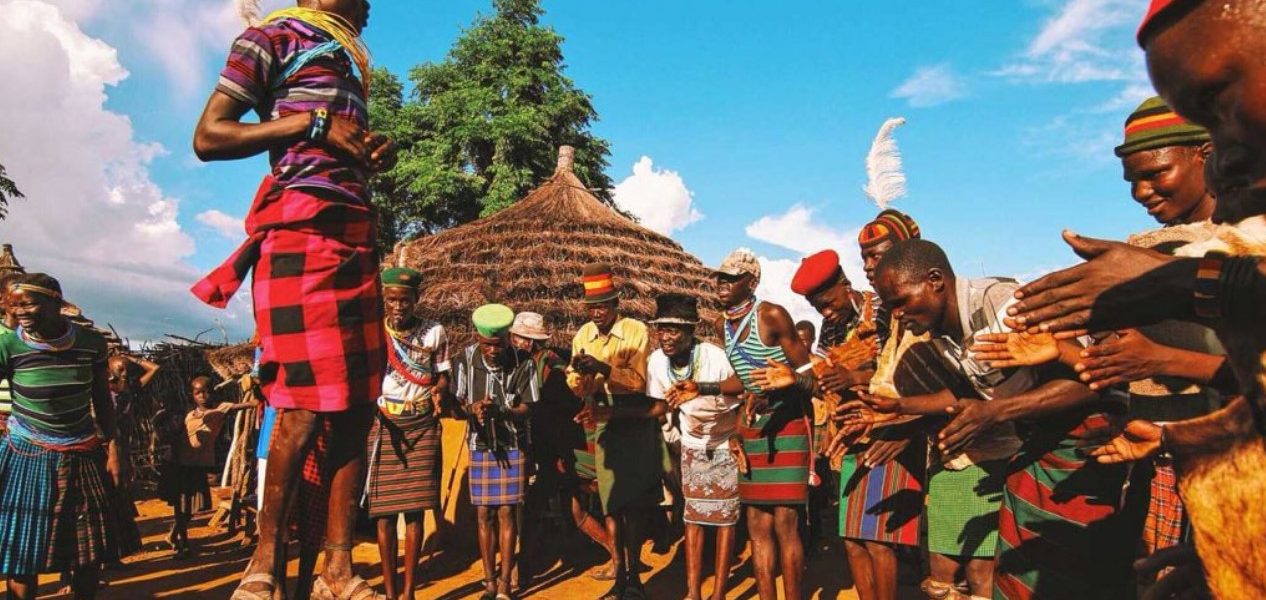
The region is home to various indigenous Karamojong communities that continue to live in traditional African ways. Many of these groups lead a nomadic pastoral lifestyle, relying heavily on their cattle. These communities originally focused on hunting and gathering for sustenance until agro-pastoralism was introduced by the government. They reside in structures known as Manyattas. Manyattas consist of multiple extended families from these communities. Tourists can interact with these groups through activities like cultural dances, fashion displays, and local cooking experiences.
Kidepo Valley National Park
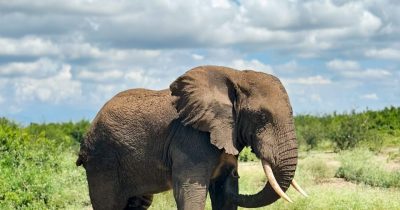
Considered a piece of the “True African wilderness”, Kidepo Valley National Park is located within the Karamoja region. It is the third largest national park in Uganda, featuring a rich variety of wildlife that visitors can observe during their journeys. This park sees fewer visitors due to its distance from the international airport. Kidepo Valley National Park encompasses two valleys: Narus Valley and Kidepo Valley. Each of these valleys hosts numerous wildlife species for travelers to encounter during their safaris. The park serves as a habitat for various animals such as lions, leopards, cheetahs, elephants, buffaloes, zebras, warthogs, and many more. Kidepo Valley National Park can be reached by both road and air.
Travelers using the road typically spend around 8 to 9 hours traveling through the Kampala – Gulu highway. In contrast, air travel involves taking scheduled charter flights from Entebbe Airport or Kajjansi Airstrip to the Apoka airstrip located within the park. Visitors to the park can participate in activities such as game drives, nature walks, and camping, among others. Kidepo Valley National Park is a significant spot that attracts travelers during Uganda safaris in the Karamoja region.
Pian Upe National Reserve
This reserve ranks among the largest game reserves in Uganda, with a total area of 2444 square kilometers, making it the second largest after Murchison Falls National Park. It is located north of Mountain Elgon and is part of the Mountain Elgon Conservation Area. The reserve houses numerous wildlife species, including elephants, buffaloes, giraffes, leopards, zebras, hyenas, mountain reedbucks, roan antelopes, and many more. Additionally, reptile species such as rock pythons, agamas, skinks, chameleons, and water snakes can also be found there.
Pian Upe National Reserve provides various activities for travelers during their safaris, such as game drives, nature walks, bird watching, and more. However, when planning safaris to this reserve, travelers should note that there are no accommodation facilities within it, and camping is the only option available. Accommodations can be found in the nearby Sipi region.
Matheniko Wildlife Reserve
Located in the Moroto District near Mount Moroto, the Matheniko Mountain Ranges cover an area of approximately 1620 square kilometers. These mountains serve as watersheds for Kidepo Valley National Park. Matheniko Game Reserve is home to a variety of wildlife, including lions, leopards, elephants, zebras, giraffes, cheetahs, and others. Furthermore, the reserve boasts over 200 bird species.