Low-Season Discounted Gorilla Permits in Uganda
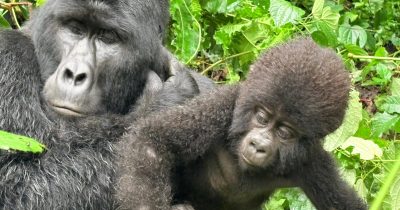
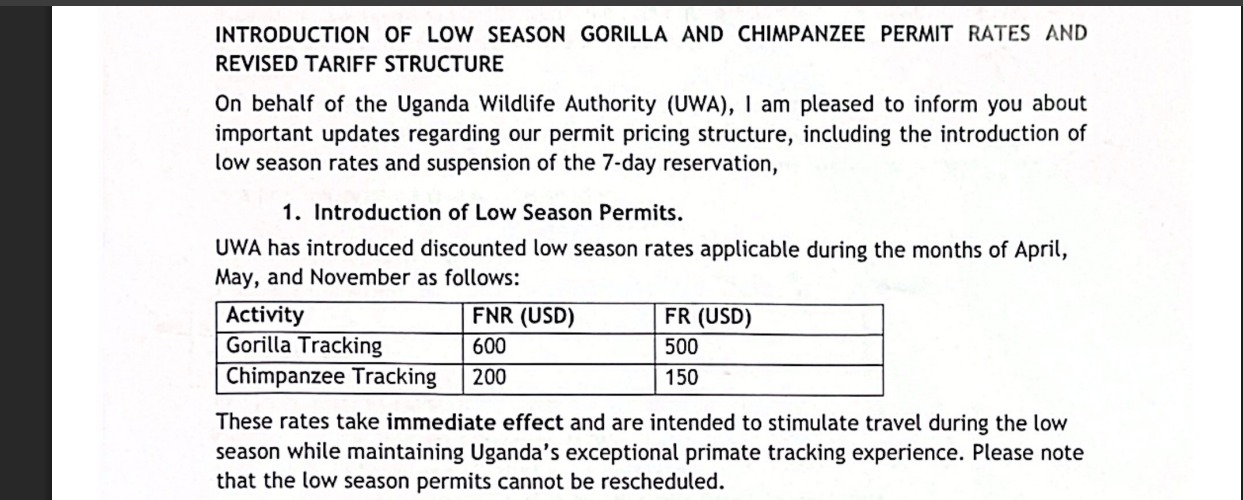
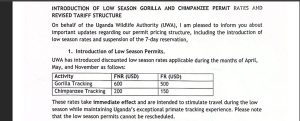
Did you know that Uganda has introduced low-season discounted gorilla permits? Low-season gorilla trekking permits cost $600 Per Person. Uganda is a premier destination for wildlife enthusiasts, particularly for those eager to see gorillas in their natural habitat. The country is home to nearly half of the world’s remaining mountain gorillas, primarily found in the Bwindi Impenetrable Forest National Park and Mgahinga Gorilla National Park. One of the best ways to experience these magnificent creatures is through gorilla trekking. It is a once-in-a-lifetime adventure that typically comes with a hefty price tag.
However, during the low season, specifically in April, May, and November, Uganda offers discounted gorilla permits, making it more accessible for travelers. In this article, we will delve into the details surrounding these discounted permits, including their significance, benefits, and tips for planning a successful gorilla trekking expedition.
Understanding Uganda’s Gorilla Permits
Gorilla permits are essential for anyone wishing to trek in the national parks to see mountain gorillas. These permits are issued by the Uganda Wildlife Authority (UWA). They play a crucial role in conservation efforts, as the funds generated are reinvested into protecting the gorillas and their habitat. The standard price for a gorilla permit in Uganda has historically been $800 per person. However, during the low season months of April, May, and November, this price drops to $600. This reduction not only reflects the lower number of tourists during these months but also serves to encourage more travelers to visit and contribute to gorilla conservation.
Why Discounted Permits?
Encouraging Tourism: The low season, characterized by rain and cooler temperatures, sees fewer tourists. Discounted permits help attract more visitors during this time, providing a steady income for local communities and conservation efforts.
Promoting Conservation: The income generated from permit sales directly supports the UWA and community initiatives. By making gorilla trekking more affordable, the discounts help increase awareness and support for conservation projects.
Enhancing Local Economies: Increased tourism in the low season helps local businesses thrive. From lodges to local crafts, when more visitors arrive, more economic opportunities are created for surrounding communities.
How is the low-season experience in Uganda like?
Opting to visit Uganda during the low season can enhance your gorilla trekking experience for several reasons.
Fewer Crowds: With fewer tourists in national parks, trekkers often enjoy a more intimate encounter with the gorillas. This solitude allows for a richer experience, enabling visitors to appreciate the beauty of the surrounding environment and the majesty of the gorillas in a less commercialized setting.
Unique Scenery: Uganda’s low season coincides with lush green landscapes and vibrant flora. The rainy periods transform the parks into a breathtaking tapestry of greenery, making for stunning photography and unforgettable memories.
Birdwatching Opportunities: April, May, and November are particularly rewarding months for birdwatchers. Migratory birds arrive during these times, and the forest becomes alive with various bird species, adding another dimension to the trekking experience.
Lower Accommodation Rates: In addition to discounted permits, many lodges and hotels also offer lower rates during the low season, allowing travelers to save more on their overall safari experience.
How to plan the best Uganda gorilla trekking safari in the low season.
While discounted permits are enticing, several key factors should be considered when planning a gorilla trekking trip to Uganda.
Booking Your Permits
Given the popularity of gorilla trekking, it is advisable to book permits well in advance, even during the low season. You can reserve your permits through authorized tour operators like Native Africa Tours. Consider beginning your booking process at least six months ahead of your desired travel dates to secure your permits.
Choosing the Right Season
While April, May, and November are classified as the low season, this does not mean the trekking experience will be unpleasant. However, travelers should prepare for wet and muddy conditions. If you enjoy a cooler atmosphere and a more secluded experience, this is the ideal time for you to visit.
Packing Essentials
Proper preparation ensures a comfortable trek. Dress in layers – light clothing that can be easily added or removed. Waterproof gear, including jackets and boots, is essential for mud and rain. Sturdy hiking boots, walking sticks, and gloves will help you navigate the uneven terrain. Bring a camera with a decent zoom lens to capture the gorillas from a distance without disturbing their natural behavior.
Physical Preparation
Trekking to see gorillas is physically demanding, often requiring long hikes through dense forest. Ensuring you are reasonably fit before embarking on this adventure will enhance your enjoyment of the experience. Engaging in regular exercise and hiking before your trip can prepare you for the trek.
Selecting a Tour Operator
While some opt for independent travel, many visitors prefer booking through a reputable tour operator specializing in gorilla trekking. An experienced operator will provide essential guidance, ensure your safety, and help manage logistics, allowing you to concentrate on the adventure ahead.
The Trekking Experience
Upon arrival at the national park, the trekking day typically starts early in the morning. After a briefing from your guide regarding safety protocols and regulations, you will be divided into small groups and assigned to a specific gorilla family.
The duration and difficulty of the trek can vary considerably, ranging from one hour to several hours. As you venture through the jungle, expect to encounter various wildlife, including monkeys, forest elephants, and a plethora of bird species. The guides are well-trained in gorilla behavior, ensuring that trekkers maintain a safe distance while observing the gorillas in their natural habitat.
Upon reaching your assigned gorilla family, the moment you’ve been waiting for arrives. Visitors are allowed to spend one hour observing the gorillas, capturing photos, and experiencing their behaviors up close. Whether it’s watching a mother gorilla nursing her young or seeing silverbacks interacting within the group, this hour is truly a highlight of the safari experience.
After your trek, consider exploring other activities and attractions in Uganda. These may include visiting Lake Bunyonyi, exploring Queen Elizabeth National Park, or engaging in cultural experiences with local communities. Each of these activities contributes to a well-rounded understanding of Uganda’s rich biodiversity and culture.
Conclusion
Gorilla trekking in Uganda is undoubtedly a bucket-list experience, but the expense of permits often deters potential travelers. The discounted gorilla permits during the low season months of April, May, and November offer a remarkable opportunity for those wishing to engage with these magnificent creatures at a more affordable price. By taking advantage of these reduced rates, travelers not only support vital conservation efforts but also experience the sheer beauty of Uganda and its wildlife in a less crowded, unique environment.
Whether you’re a first-time visitor or a seasoned traveler, the magic of encountering mountain gorillas in the wild will remain etched in your memory forever. Embrace the adventure, and contribute to the ongoing efforts aimed at preserving these magnificent animals and their habitats for future generations.