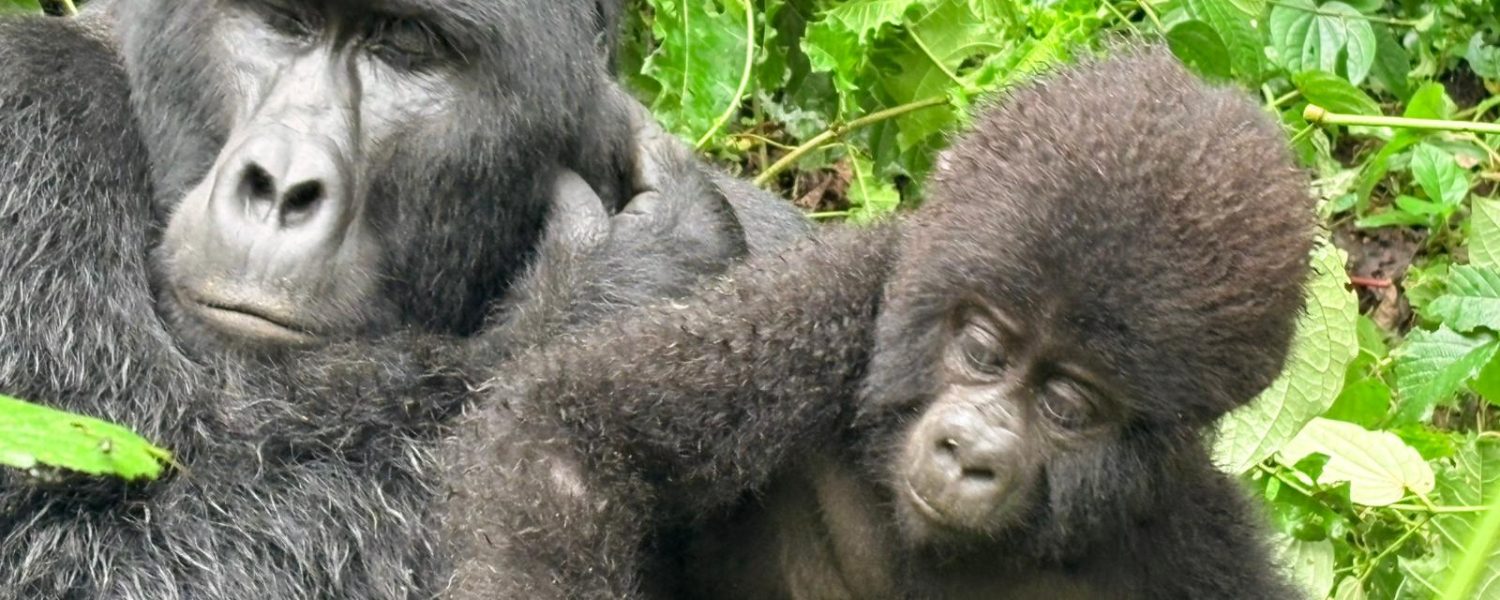
New Price for Gorilla Habituation in Uganda
Uganda has increased the price for gorilla habituation from $1500 to $1800 per person. Gorilla habituation in Uganda is an extraordinary experience that offers visitors a unique opportunity to observe mountain gorillas in their natural habitat. As of January 1, 2027, the price for this once-in-a-lifetime adventure will increase to $1800 per person. This article explores the significance of this price change, the reasons behind it, and what visitors can expect from the gorilla habituation experience in Uganda’s lush national parks.
What is Gorilla Habituation?
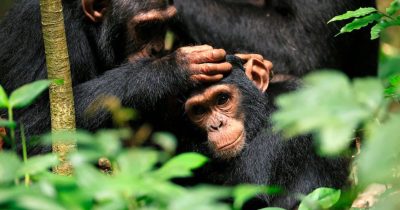
Gorilla habituation is a crucial conservation and tourism initiative that aims to acclimate wild gorillas to human presence. Unlike standard gorilla trekking, which typically allows visitors a limited time with the animals, gorilla habituation permits an extensive experience – up to four hours with a family of gorillas. This intimate encounter not only enhances understanding of these remarkable creatures but also ensures critical resources for conservation efforts.
The Importance of Gorilla Habituation
For conservationists, the gorilla habituation process serves multiple purposes. By allowing intimate interactions with the gorillas, the initiative raises awareness about conservation issues, poaching, and the challenges faced by gorilla populations. Money generated from habituation fees is vital for funding anti-poaching patrols, habitat restoration, and community development projects. Gorilla habituation is a cornerstone of Uganda’s ecotourism sector. It allows local communities to benefit economically from wildlife while promoting habitat conservation.
Reasons Behind the Price Increase
As of January 1, 2027, the price for gorilla habituation will rise to $1800 per person. Several factors contribute to this change.
Increased Conservation Costs
In recent years, conservation efforts have become more complex and costly. Factors such as climate change, habitat destruction, and poaching have escalated the need for robust conservation strategies. The funds generated from the increased price will significantly bolster UWA’s conservation initiatives. With increased funding, UWA can expand its patrols and invest in advanced surveillance technology to combat poaching effectively. Continuous research on gorilla populations, their behavior, and habitats enables scientists to understand their needs better and adapt conservation strategies accordingly. Investment in community programs can create alternative livelihoods for local residents, reducing their reliance on activities that may harm gorillas and their habitats.
Rising Demand for Gorilla Tourism
Gorilla trekking and habituation have seen a consistent rise in popularity over the years. As the demand for these experiences grows. National parks have to manage the number of visitors to minimize stress on gorilla populations. The increased price will help regulate visitor numbers while ensuring a high-quality experience. Higher fees allow UWA to improve facilities, enhance services, and increase the number of guides, ensuring visitors receive a rewarding experience.
Ensuring Sustainability
The new pricing structure reflects a commitment to sustainable tourism. By aligning the cost of gorilla habituation with its conservation value, UWA aims to ensure that tourism contributes positively and sustainably to gorilla preservation.
Infrastructure Improvements
The increase in fees will also lead to improvements in park infrastructure, which is crucial for managing tourist flow and enhancing the overall visitor experience. Better trails, visitor centers, and accommodation options will ensure a more comfortable and educational experience for tourists.
What to Expect from Gorilla Habituation in Uganda
Gorilla habituation in Uganda offers an unparalleled wildlife encounter. Each group is accompanied by expert guides trained in gorilla behavior, ecology, and conservation. These guides play a crucial role in the experience. Guides offer informative commentary about the gorillas, their habitats, social structures, and behaviors. Safety is paramount during any wildlife encounter. Guides ensure that visitors follow protocols to minimize stress for the gorillas and maintain visitor safety.
Gorilla habituation allows visitors to spend up to four hours with a group of gorillas. Guests can observe gorilla interactions, feeding habits, and social structures, providing a richer understanding of their lives. With more time, photography enthusiasts can capture stunning images of these majestic creatures in their natural environment.
Part of the habituation experience includes interactions with local communities. Guests may participate in cultural activities, such as traditional dances, crafts, or visiting local markets. Community members often share stories about their relationship with gorillas and the ongoing conservation efforts to protect them.
By participating in gorilla habituation, visitors contribute directly to conservation efforts. Funds from habituation fees are used to preserve gorilla habitats, ensuring that these animals have a safe environment to thrive. Investment in local communities promotes sustainable economic activities that benefit both residents and wildlife.
The Future of Gorilla Habituation in Uganda
As the price increase takes effect, it is essential to recognize the long-term benefits of gorilla habituation for conservation and tourism. The ongoing efforts to protect these magnificent creatures and their habitats require the support of all stakeholders, including tourists, local communities, and government bodies.
Continued Conservation Investment
The funds generated from the new price will strengthen conservation policies and efforts, ensuring that mountain gorillas continue to thrive in Uganda. The Ugandan government has prioritized wildlife conservation, recognizing the ecological, social, and economic significance of maintaining healthy populations of these animals.
Strengthening Community Partnerships
The future of gorilla habituation is inextricably linked to local communities. Building and reinforcing partnerships between local groups and conservation organizations will enhance community involvement in gorilla protection. Ensuring that communities benefit economically from wildlife tourism will create an incentive to protect the gorillas and their habitats actively.
Raising Awareness
As more tourists come to experience gorilla habituation, the potential for raising awareness about wildlife conservation becomes vast. Through first-hand encounters with gorillas, visitors become ambassadors for conservation efforts, sharing their experiences and advocating for the protection of these incredible animals.
Fostering Global Collaboration
Gorilla conservation is not limited to Uganda. Collaborative efforts involving neighboring countries, conservation organizations, and international entities can provide a broader framework for protecting gorillas and their ecosystems. Greater collaboration can lead to shared resources, expertise, and strategies, benefiting gorilla populations across their range.
Conclusion
The new price for gorilla habituation in Uganda, set to take effect on January 1, 2027, at $1800 per person, reflects both the immense value of this unique experience and the essential need for conservation efforts. By investing in gorilla habituation, visitors contribute to the preservation of the mountain gorilla population, ensuring that future generations can enjoy these incredible creatures in their natural habitat.
As tourists prepare for this extraordinary journey into the wild, they not only embark on a personal adventure. But also become vital participants in the ongoing efforts to protect one of the world’s most endangered species. Through sustainable practices, community engagement, and effective conservation strategies, Uganda aims to secure a future where both gorillas and the communities that coexist with them can thrive.