Private vs Group Safaris in Uganda – Which Is Better?
Uganda is renowned for its stunning landscapes, diverse wildlife, and rich cultural experiences. The country offers a plethora of safari options for travellers seeking to explore its natural beauty and wildlife. Among these options, private and group safaris are the most popular. This article will delve into the differences between private and group safaris in Uganda, examining their benefits and drawbacks to help you decide which option is better for you.
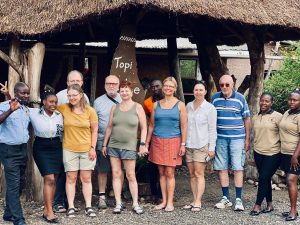
Difference Between Private Safaris and Group Safaris in Uganda
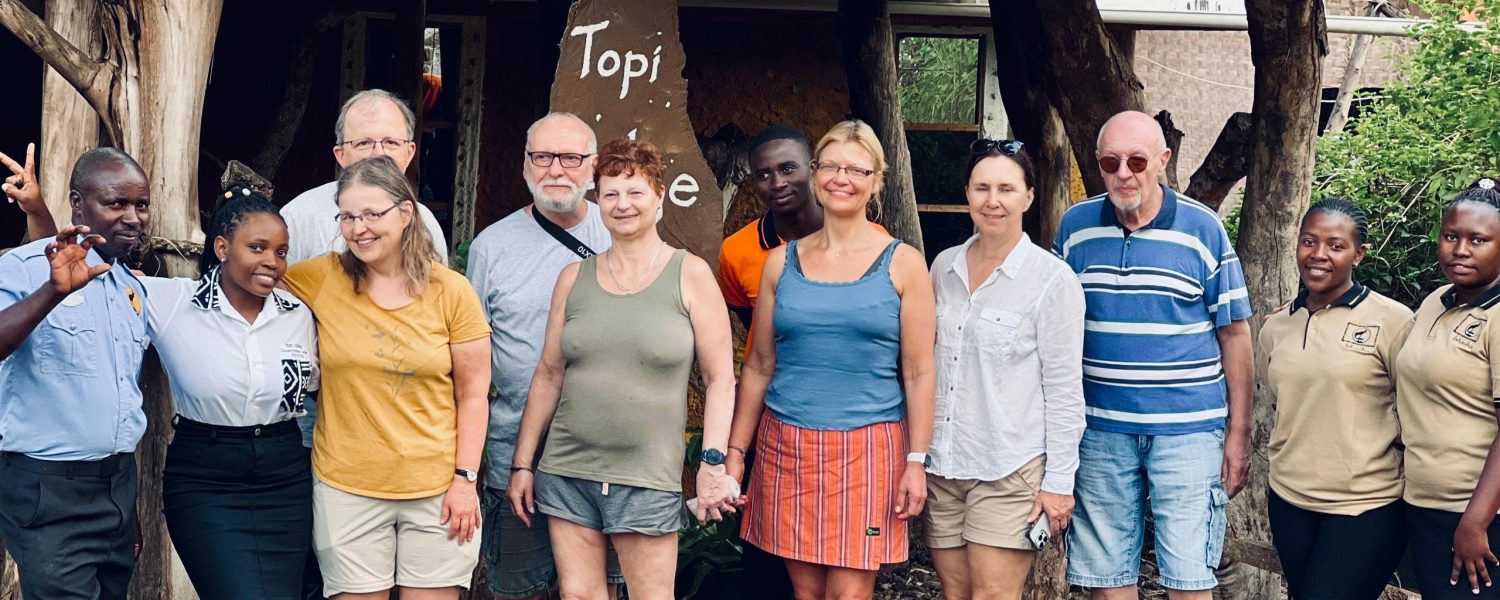
Private safaris in Uganda provide a personalized experience tailored to individual or small group preferences. Travellers typically work with tour operators to create a custom itinerary tailored to their specific interests, such as wildlife watching, cultural experiences, or adventure activities. On the other hand, group safaris involve travelling with a larger number of participants, usually as part of a pre-arranged tour package. These safaris are cost-effective and offer the chance to meet fellow travellers. Group safaris usually follow a fixed itinerary with set departure dates and accommodation arrangements.
Customization and Flexibility
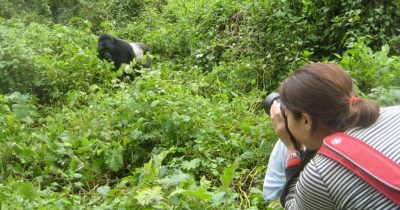
One of the most significant advantages of private safaris is the level of customization they offer. Travellers can design their itinerary based on their interests and preferences. Whether you want to spend more time observing gorillas in Bwindi Impenetrable National Park or prefer to engage in cultural interactions with local communities, private safaris allow for this flexibility.
In contrast, group safaris have predetermined itineraries, which may include activities that do not align with everyone’s interests. While some group tours offer optional activities, the time available for each activity may be limited, leading to a more rushed experience.
Intimacy and Privacy
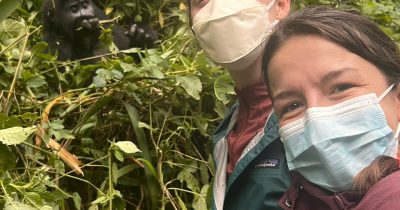
Private safaris ensure a more intimate experience, whether travelling with family, friends, or a partner. This setting allows for meaningful conversations and personal connections, enhancing the overall experience. Wildlife encounters can feel more special when shared with only a select few.
Group safaris, on the other hand, can sometimes feel crowded, particularly during popular activities such as gorilla trekking or game drives. The presence of multiple participants can lead to a more commercialized experience, where wildlife viewing becomes a spectacle rather than a personal interaction.
Cost Considerations
When it comes to cost, group safaris are typically more budget-friendly. Travelling with a group can significantly reduce expenses since costs are shared among participants. This option is particularly appealing for solo travellers, backpackers, or those on a tight budget.
On the other hand, private safaris tend to be more expensive. The personalised nature of these safaris comes at a premium, and costs can escalate quickly, especially with luxury accommodations. However, for those who prioritize comfort and exclusivity, the investment can be worth it.
Value for Money
While private safaris may seem costly upfront, the value for money can be higher in terms of the experience. With customized itineraries, fewer crowds, and opportunities for unique experiences, many travellers feel that the extra expenditure is justified.
Group safaris, while affordable, might not offer the same depth of experience. The fixed nature of itineraries and often lower-quality accommodations can impact the overall enjoyment of the journey. Travellers must weigh the pros and cons based on their budget and desired experience.
Wildlife Viewing Opportunities
Uganda is famous for its remarkable wildlife, including mountain gorillas, African elephants, and the rare shoebill stork. Private safaris provide exclusive opportunities for wildlife viewing, often allowing travellers to venture into less-visited areas or explore at their own pace.
In group safaris, wildlife encounters can sometimes become competitive, particularly in popular national parks. Multiple vehicles may gather at animal sightings, creating crowds that can detract from the experience. This can lead to challenges in photography and personal engagement with the wildlife.
Guided Expertise
Both private and group safaris often include knowledgeable guides who enhance the experience through their expertise. However, private safaris allow for greater interaction with the guide, fostering a more personalised learning experience. Travellers can ask questions and delve deeper into their interests, making the most of their time in Uganda’s beautiful parks.
Group safaris typically have guides who manage larger groups, which can limit the depth of information shared. While group guides are often well-versed in the region, the breadth of engagement might not be as thorough as in private settings.
Cultural Experiences
Uganda’s culture is as rich as its wildlife, and safari-goers have the chance to engage with local communities through village visits, cultural performances, and crafts. Private safaris offer a tailored approach to such interactions. Travellers can decide how long to spend in a village or which experiences they wish to prioritize, leading to more meaningful connections.
Group safaris often include cultural experiences as part of the itinerary, but these visits can feel rushed and less intimate. The dynamic of a larger group can inhibit genuine interaction with local people, reducing the authenticity of the experience.
Community Support
When participating in local cultural tours as part of both private and group safaris, it is essential to consider the economic impact on local communities. Responsible safari operators work towards ensuring that a fair percentage of profits benefit residents, promoting sustainable tourism practices.
Safety Considerations
Safety is paramount in safari experiences, and both private and group safaris have their advantages. Private safaris allow for better management of personal safety, as travellers can choose safer accommodations and activities tailored to their comfort levels.
Group safaris offer a sense of safety in numbers, particularly for solo travellers. The presence of a larger group can provide a support system, but it can sometimes lead to reckless behaviour if some members prioritize excitement over safety.
Comfort Levels
Accommodations can differ significantly between private and group safaris. Private safaris often include options for luxury lodges or tented camps, providing enhanced comfort and amenities. Travellers can also select accommodations that cater specifically to their preferences.
Group safaris may feature more basic lodging options to keep costs low, which can be a drawback for travellers seeking comfort. The experience of sharing facilities with larger groups can also be a consideration for those valuing privacy.
Which Is Better?
Choosing between a private or group safari in Uganda depends on individual preferences, travel goals, and budget.
Private Safaris are ideal for those seeking personalisation, intimacy, and unique experiences. They offer flexibility and depth, allowing for a deeper connection with Uganda’s wildlife and culture. This option is better suited for couples, families, or travellers seeking a premium experience.
Group Safaris are perfect for budget-conscious travellers or those looking to meet new people. They provide an affordable way to explore Uganda’s amazing landscapes and wildlife, though the fixed itineraries may not offer the same level of personalisation.
Ultimately, the decision rests on what kind of experience you desire. Both types of safaris offer incredible opportunities to experience the breathtaking beauty and wildlife of Uganda, ensuring a memorable adventure regardless of your choice. Carefully consider your preferences, budget, and travel aims, and you’ll be sure to choose the best safari option for your unforgettable journey through the Pearl of Africa.