The Great Nile Migration of South Sudan
The Great Nile Migration of South Sudan is a remarkable phenomenon that showcases the intricate relationship between nature, wildlife, and the communities that inhabit this vibrant region. This migration, one of the largest of its kind in the world, is characterized by the movement of millions of animals across the plains and waterways of South Sudan, primarily following the course of the Nile River. This article explores the ecological significance, cultural impact, and challenges associated with this extraordinary event.
The Ecological Significance of the Great Nile Migration of South Sudan
The Migration Pattern
The Great Nile Migration predominantly involves species such as the white-eared kob, the tiang antelope, and various birds that flock to the region. The migration is driven by seasonal rainfall patterns and the availability of food and water. As the rains begin, animals move from the drylands of the north towards the lush grasslands near the Nile and its tributaries. This journey can cover hundreds of kilometers and is critical for the survival of these species.

Biodiversity and Ecosystem Dynamics
The migration contributes significantly to the biodiversity of the region. The movement of large herbivores facilitates the growth of vegetation, which in turn supports a myriad of other species, including predators like lions and hyenas. The cyclical nature of this migration helps to maintain the ecological balance, ensuring that no single species dominates the environment.
The Role of the Nile River
The Nile River is the lifeblood of South Sudan, not only for wildlife but also for human populations. As animals migrate, they rely heavily on the river for hydration and sustenance. The river’s seasonal flooding creates fertile grounds that enhance the growth of grasses and other plants, providing ample food for migrating herds. The Nile’s importance extends beyond wildlife, serving as a crucial resource for fishing and agriculture for local communities.
Cultural Impact
Indigenous Communities
The Great Nile Migration is deeply intertwined with the cultures of the indigenous communities living in South Sudan. Many tribes, such as the Dinka and Nuer, have coexisted with these migratory patterns for centuries. Their traditional lifestyles, including pastoralism and fishing, are intricately linked to the rhythms of the migration.
Cultural Practices and Beliefs
For many communities, the migration is not just a natural event but also a cultural phenomenon rich with traditions and beliefs. Festivals and rituals are often organized to celebrate the arrival of the migratory herds, reflecting the deep respect these communities have for nature. Storytelling, songs, and dances often revolve around the themes of migration, emphasizing the bond between people and wildlife.
Economic Opportunities
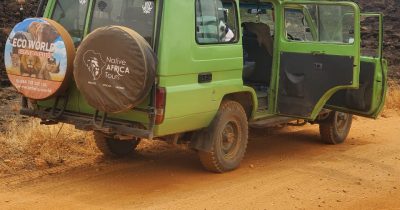
The migration also presents economic opportunities for local communities. As animals gather near the Nile, opportunities for hunting and tourism arise. Eco-tourism, in particular, has gained traction, attracting visitors from around the world who wish to witness this natural spectacle. However, this also necessitates careful management to ensure that the ecological balance is maintained and that local communities benefit economically.
Challenges Facing the Great Nile Migration
Climate Change
One of the most pressing challenges affecting the Great Nile Migration is climate change. Alterations in rainfall patterns and increasing temperatures can disrupt the delicate balance that governs the migration. Prolonged droughts can lead to food shortages, forcing animals to alter their migration routes or remain in less suitable habitats, which can have dire consequences for their populations.
Human Activities
Human activities such as agriculture, logging, and settlement expansion pose significant threats to the migratory patterns of wildlife. As land is converted for farming, the natural habitats that animals rely on are diminished. This encroachment not only restricts the migratory routes but also leads to increased human-wildlife conflicts.
Political Instability
South Sudan has faced considerable political challenges since gaining independence in 2011. Ongoing conflict and instability can hinder conservation efforts and disrupt the traditional lifestyles of indigenous communities. The lack of effective governance and resources can make it difficult to implement protective measures for wildlife and their habitats.
Conservation Efforts in South Sudan
Local and International Initiatives
Despite the challenges, various conservation initiatives are underway to protect the Great Nile Migration. Local communities, NGOs, and international organizations are working together to raise awareness and implement sustainable practices. Initiatives focused on habitat restoration, community education, and eco-tourism development aim to create a balance between human needs and wildlife conservation.
Community Engagement
Empowering local communities is crucial for the success of conservation efforts. Engaging indigenous populations in decision-making processes not only ensures that their voices are heard but also promotes stewardship of the land. Programs that provide economic incentives for conservation, such as community-based tourism, can encourage communities to protect rather than exploit their natural resources.
Research and Monitoring
Scientific research plays a vital role in understanding the dynamics of the Great Nile Migration. Ongoing studies focus on tracking animal movements, assessing the health of populations, and understanding the impacts of climate change. This data is essential for developing informed conservation strategies and policies.
The Future of the Great Nile Migration in South Sudan
Sustainable Development
The future of the Great Nile Migration hinges on sustainable development practices that balance the needs of wildlife with those of local communities. Sustainable agricultural practices, responsible tourism, and habitat protection are essential components of a holistic approach to development in the region.
Climate Resilience
Building climate resilience is crucial for the survival of both wildlife and human populations. Strategies such as reforestation, sustainable land management, and water conservation can help mitigate the impacts of climate change. By fostering a more resilient ecosystem, communities can better adapt to the fluctuations in climate and ensure the continuation of the Great Nile Migration.
Advocacy and Awareness
Raising awareness about the importance of the Great Nile Migration is vital for garnering support for conservation efforts. Engaging the international community, tourists, and local stakeholders in discussions about the ecological and cultural significance of this migration can foster a greater appreciation and commitment to protecting this unique phenomenon.
Are you ready to witness the Great Nile Migration in South Sudan?
The Great Nile Migration of South Sudan is a testament to the intricate connections between wildlife, natural resources, and human culture. As one of the last great migrations on Earth, it embodies the resilience of nature and the communities that depend on it. However, the challenges it faces require urgent attention and collaborative efforts. By prioritizing conservation, sustainable development, and community engagement, we can ensure that this remarkable migration continues to thrive for generations to come. The Great Nile Migration is not just a natural event; it is a symbol of life, resilience, and the enduring bonds between humans and nature. Book a trip now and visit the Great Migration of South Sudan and create everlasting memories.