What to Pack for Gorilla Trekking in Uganda?
Are you wondering what to pack for gorilla trekking in Uganda? There are several indisputable facts that you need to know before undertaking a gorilla trekking safari in Uganda. The sunny blue skies will most likely greet you in the morning, but on some days, afternoon downpours and cold temperatures in the evening are possible. You can’t escape the humidity. Sometimes your hiking boots get stuck in the marshlands, or the scorching sun beats down at noon. Park guides, Rangers, and Lodge staff take the weather of Bwindi and Mgahinga National Parks (where gorilla trekking is done in Uganda) seriously, and so should you.
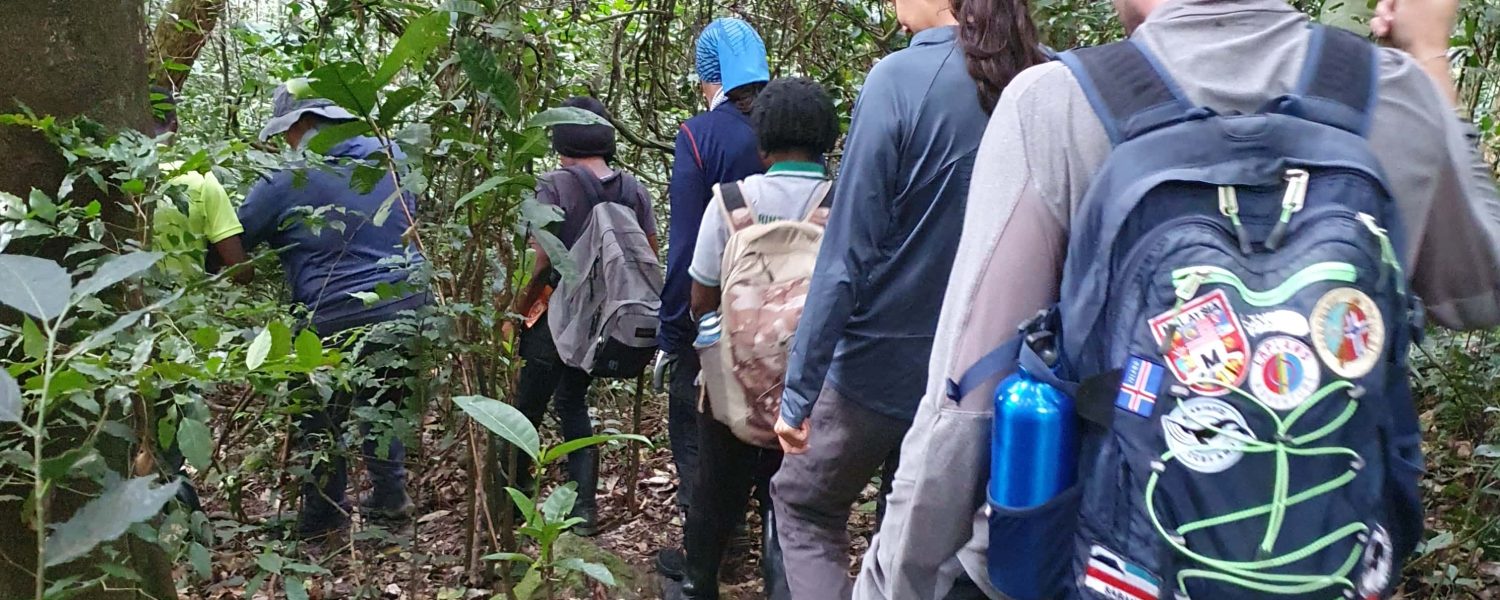
Gorilla trekking adventures typically start early in the morning (7:00 a.m., with a briefing at the respective park headquarters or visitor centres), when temperatures are still chilly. The activity is done on foot. Remember to carry your backpack for a reasonable distance while searching for the Giant Apes in their natural habitats.
It is indisputable that gorilla trekking is an experience of a lifetime, which sometimes can’t be described in mere words. However, to truly relish this unforgettable adventure, one needs to be well-prepared. Uganda, often referred to as the Pearl of Africa, generally enjoys a warm tropical climate. Still, the endangered mountain gorillas inhabit thick forests high in the mountains (2,500 to 4,000 meters above sea level), where temperatures drop significantly at night and remain cold into the early morning.

The vegetation and Altitude
The high altitudes and dense vegetation (tropical rainforest) make gorilla treks challenging; therefore, the activity isn’t for the faint of heart. You must walk along undefined pathways created by Rangers and porters to make the jungle navigable. More still, forest trails become muddy and slippery during certain months. This requires visitors/trekkers to grab onto vines and creepers (that sometimes have thorns). Scramble over rocks and logs, and at times cross streams and rivers. Also, remember that there will be the stinging nettle and insects like fire ants and soldiers (the sound of their names sends shivers down your spine). Now you see why you must be well-equipped for your long-awaited gorilla trekking trip if it is to be unforgettable for all the right reasons.
Here’s our comprehensive packing list for gorilla trekking in Uganda, to help you prepare for your memorable gorilla safari.
Clothing
The ideal clothing for gorilla trekking in Uganda should be lightweight, breathable, and comfortable. We also recommend waterproof trousers and shirts that dry quickly.
Waterproof, breathable, and lightweight long trousers
Long trousers are one of the most crucial items to pack for gorilla trekking in Uganda, and a waterproof pair is highly recommended. These will be tucked into your long socks to prevent fire ants, soldiers, and other stinging insects from crawling into your legs and biting/stinging you.
Thick, long cotton socks
A good-quality pair of cotton socks is handy for gorilla trekking in Uganda. They will help provide warmth during the chilly early morning start of gorilla treks or evenings as you relax at the Lodge. The socks should be long enough to allow tucking of trouser ends, thus stopping insects from crawling up your legs and biting during trekking.
Comfortable long-sleeved shirt/blouse
You can never go wrong with long-sleeved shirts/blouses because you will at least be guaranteed protection from the chilly mornings before gorilla treks and from stinging nettles, biting insects, and scratching branches and vines.
When deciding on which shirt/blouse to pack, choose one in a neutral colour, such as light-brown khaki, dark blue, or even green. In bright-colored clothes, you are likely to be an obtrusive gorilla spectator. However, some colours, such as black and blue, are also not recommended because they attract insects, especially tsetse flies.
A waterproof and lightweight rain jacket/poncho
Regardless of season (whether dry or wet), rain in the rainforest occurs at any time of the year. Hence, expect showers any day, even during gorilla treks. For this reason, a waterproof and lightweight rain jacket will keep you dry and comfortable while trekking or spending time with the mountain gorillas.
A safari hat
Gorilla trekking involves walking under tree canopies and in the scorching sun, so a safari hat is essential for protecting against rain and the flicking of tree branches.
Footwear
Sturdy and waterproof hiking boots
A comfortable pair of hiking boots is one of the most crucial essentials for gorilla trekking. Sandals and sneakers might be comfortable, but they are not a good choice for the muddy and slippery forest trails. Sturdy hiking boots provide the much-needed support for your ankles, stability, and balance. They also protect you against biting insects and thorns, ensuring you feel secure and prepared for the trek.
However, it is not advisable to pack a newly purchased pair of hiking boots. You may feel uncomfortable or are likely to get blisters on the day of the trek. For this reason, we recommend buying them beforehand and trying them out at home to avoid any risk of blistered or sore feet while trekking with the mountain gorillas.
Waterproof Sandals
After your long and hectic gorilla trekking adventure in Bwindi or Mgahinga National Park, the first thing you would wish for is to allow your feet to breathe while protecting them from mosquitoes. This is where your waterproof sandals come in. You can easily wear them with socks and relax at the Lodge while taking in the breathtaking views around the Lodge.
Other essential items to pack for gorilla trekking in Uganda include;
Gardening gloves
These gloves protect your hands against stinging nettles, thorns, or any other form of protection during gorilla trekking. Sometimes, you will want to grab vines and branches, especially when ascending or descending the mountainsides.
A reusable water bottle
Remember to pack a reusable water bottle for gorilla trekking in Uganda. It’s not just about staying hydrated during the trek, but also about being responsible and eco-friendly. By carrying a reusable water bottle, you can help reduce plastic waste and conserve the beautiful natural environment you’re about to explore.
Sunscreen
Sunscreen is also essential for protecting your skin from the scorching tropical sunshine. Remember that the sun’s rays can be particularly fierce around midday, and your face will require protection from the sun’s intense heat. You’ll be able to carry this with you in your backpack and reapply it as needed.
A good camera
Many of our phones have good cameras, but if you can afford to carry a good camera, then why not? You would love to capture these precious moments of a lifetime. However, before venturing into the forest, please make sure the camera is fully charged the day before. If it is battery-operated, it’s a good idea to carry extra batteries. Don’t forget to pack charging cables to avoid disappointment with a dead camera.
Insect repellant
Another essential and environmentally friendly item for gorilla trekking in Uganda is insect repellent. It’s a no-brainer that there are many insects in the forest, and wearing an insect repellent (like RID) will make gorilla trekking less stressful.
A backpack
It won’t matter whether you are undertaking gorilla trekking for the first time or returning for the second, third, or even fourth time. But a primate enthusiast will know how important it is to pack a waterproof backpack. The perfect backpack will likely make or break your gorilla trekking experience. It is essential for storing items (like a camera, binoculars, snacks, a packed lunch, drinking water, even your passport, and a rain jacket) needed during gorilla treks.