Where is Gorilla Habituation done in Bwindi?
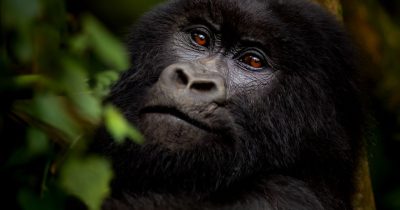
Bwindi Impenetrable National Park is a UNESCO World Heritage site in Uganda. It is also renowned for its rich biodiversity and as a sanctuary for the endangered mountain gorillas. Within this breathtaking park lies the Rushaga Sector, a pivotal area focused on gorilla habituation, offering visitors an extraordinary opportunity to experience these magnificent creatures in their natural habitat. This article explores where gorilla habituation is done in Bwindi, the habituation process, its significance, and tips for visitors.
What is Gorilla Habituation?
Gorilla habituation is the process through which wild gorillas become accustomed to human presence. This critical conservation effort involves gradually exposing a gorilla group to humans while ensuring minimal disruption to their natural behaviours. The goal is to create a comfortable relationship between the gorillas and human visitors, making it possible to observe and study them without causing stress.

The Importance of Habituation
Habituation promotes conservation, educating visitors about the importance of protecting these magnificent creatures and their habitats. By fostering a connection between tourists and gorillas, people are more likely to support conservation initiatives.
The habituation process allows researchers and conservationists to study gorilla behaviour, health, and social structure, contributing to better management strategies for their protection.
Local communities benefit economically from eco-tourism as visitors come to witness the habituated gorillas, leading to sustainable livelihoods and reduced human-wildlife conflict.
How is gorilla habituation done in Bwindi?
The habituation process in Rushaga involves several stages, overseen by a dedicated team of rangers and researchers. Rangers start by observing the gorillas from a distance, gathering data on their social structure, movements, and daily activities. The gorillas are slowly introduced to a small number of humans. Visitors initially keep a safe distance, ensuring the gorillas do not feel threatened. Over time, the team increases the frequency of visits, allowing the gorillas to become accustomed to the sight, sound, and presence of humans. Throughout the habituation process, ongoing monitoring is crucial, ensuring that the gorillas are healthy and that their natural behaviours are maintained. Once the gorillas are fully habituated, they are ready for ecotourism. This process can take up to two to three years, depending on the individual gorilla group.
Rushaga Sector
Rushaga Sector is located in the southern part of Bwindi Impenetrable National Park. It is one of the four sectors of the park, the others being Buhoma, Nkuringo, and Ruhija. Rushaga is unique for its magnificent landscapes, comprising vast swathes of lush forest, rolling hills, and valleys, making it an exceptional setting for gorilla trekking and habituation.
Gorilla Families in Rushaga
There are several habituated gorilla families within the Rushaga Sector:
Nshongi Group: This was the first group to be opened for tourism in Rushaga. Nshongi is notable for its large size and social interactions, making for a fascinating encounter.
Mishaya Group: Known for its adventurous spirit, Mishaya often splits into smaller sub-groups, providing visitors with dynamic viewing experiences.
Bweza Group: As one of the more recently habituated groups, Bweza presents a unique opportunity for visitors to witness the progress of gorilla habituation.
Kahungye Group: This group is comprised of a large number of individuals, known for their playful behaviour. This group is often seen engaging in social activities such as climbing trees and playing.
Visitor Experience in Rushaga
Visitors to Rushaga during the habituation experience are treated to an exceptional adventure. The trek to the habituated gorilla groups in Rushaga typically starts early in the morning. After a briefing at the park headquarters, groups of visitors are assigned to specific gorilla families for their trek. The paths may vary in difficulty. Some may be challenging due to steep slopes and dense vegetation, while others are more accessible, catering to different fitness levels.
Once you reach the habituated family, the experience is magical. Visitors are allowed a one-hour stay with the gorillas, enabling them to observe their behaviours, from grooming and playing to resting or foraging for food. The opportunity to witness these gentle giants at such proximity is awe-inspiring, often evoking deep emotional responses and a newfound appreciation for wildlife conservation.
Gorilla habituation differs from standard trekking because it involves a longer interaction time with the gorillas. This immersive experience offers a deeper understanding of their social structures and behaviours. Visitors can observe the dynamics within the group, including interactions between mothers and infants, adult males displaying dominance, and playful juveniles.
Conservation Efforts and Community Involvement
Supporting Local Communities
The income generated from gorilla tourism in Rushaga contributes significantly to the local communities surrounding Bwindi Impenetrable National Park. This economic benefit creates a vested interest in conservation, as residents recognise the value of protecting gorillas and their habitats.
Community Projects
The funds from ecotourism support various community projects, including education, health care, and infrastructure development. Programs aimed at teaching sustainable farming practices, reducing human-wildlife conflict, and promoting alternative livelihoods are crucial for long-term conservation efforts.
Anti-Poaching Initiatives
Part of the revenue from gorilla tourism helps finance anti-poaching initiatives within and around Bwindi. This ensures that both gorillas and their habitats are protected from illegal activities, which threaten wildlife and disrupt the delicate ecological balance.
Practical Tips for Visitors
When planning a trip to Rushaga Sector for gorilla habituation, consider these practical tips:
Permits: Habituation permits are limited and in high demand. It is advisable to book well in advance to secure your spot.
Physical Fitness: While the treks vary in difficulty, a reasonable level of fitness is beneficial. Prepare for varying terrain, and consider practising hiking before your journey.
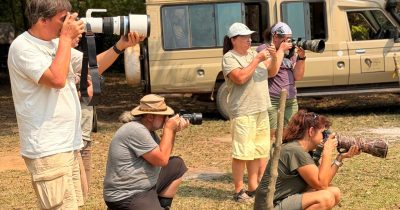
Gear and Equipment: Wear appropriate clothing and sturdy hiking boots. A long-sleeved shirt and pants are recommended to protect against insect bites and thorny vegetation. A camera with a zoom lens can capture memories from a distance without disturbing the gorillas.
Guidelines: Always follow the guidelines provided by park rangers, including maintaining a safe distance from the gorillas, refraining from loud noises, and avoiding sudden movements.
Health Precautions: Ensure you have the necessary vaccinations and medications, such as those for malaria. Prepare for altitude changes, as Bwindi is situated in a mountainous region.
Respect Local Culture: Engage respectfully with local communities and be mindful of cultural practices. Take time to learn about the traditions of the Bakiga and Batwa people, who share their home with the gorillas.
Conclusion
The Rushaga Sector of Bwindi Impenetrable National Park offers an unparalleled opportunity for gorilla habituation, immersing visitors into the lives of one of the planet’s most endangered species. Through conservation efforts, community involvement, and ecotourism, guests not only witness the beauty of mountain gorillas but also support the safeguarding of these magnificent creatures and their lush habitat.