Why is Gorilla Trekking So Expensive?
Having been in the safari business for many years, one of the frequent questions we receive is, “Why is gorilla trekking so expensive?”. Gorilla Trekking is not just an adventure; it’s a dream come true for primate enthusiasts, primatologists, and adventure lovers. The thrill of meeting these Giant Apes face to face in their natural habitat is an experience that stays with you for a lifetime. Each year, thousands of travelers, driven by this unique and life-changing adventure, invest hundreds or even thousands of dollars to encounter the Giant Apes.
Many travelers even figure out that trekking with the Mountain Gorillas is beyond their pocket (due to the cost of gorilla permits). However, they don’t know why trekking with the Giant Apes is so expensive. Therefore, what is the reason that gorilla trekking is so costly? It’s no secret that a gorilla safari won’t be the cheapest Holiday you will ever go on. It is one of the most thrilling and memorable experiences ever.
Would you like to know why gorilla trekking is so expensive compared to other safari activities? Read on!
In this article, we will explain why gorilla trekking, one of the most sought-after African safari adventures, is so expensive. First, trekking these endangered Great Apes is difficult and can last up to six hours or more. However, having trackers significantly reduces the trekking time to fewer hours and guarantees face-to-face encounters with the Giant Apes. Gorilla treks are truly life-changing adventures that profoundly stir your soul. These Great Apes are magical, and those who visit them usually love them and return repeatedly. Gorilla Permits in Uganda cost USD 800 per person for foreign non-residents, and USD 700 for foreign resident visitors. At the same time, East African Citizens pay Shs 300,000 for gorilla permits. Rwanda Gorilla permits are as high as USD 1500 per person.
Yes, it might be expensive compared to other safari activities, such as game drives, bush/nature walks, and community tours, but you will be hard-pressed to find a gorilla trekker who didn’t believe it was worth every penny. But why is Gorilla Trekking expensive then? Gorilla trekking is so costly for five main reasons. Mountain Gorillas are susceptible to human diseases, conservation, and the need to promote sustainable gorilla tourism, safety, and easy monitoring purposes. Gorillas are endangered primates, and the goal is to improve the livelihood of the local people.

Mountain gorillas are endangered.
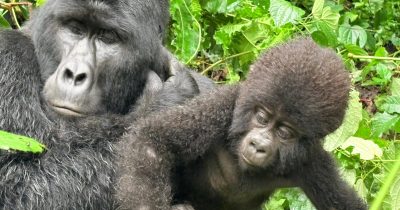
Gorilla trekking is expensive due to these Giant Apes’ “endangered” status, hence calling for reduced human-mountain gorilla interactions. The 2018 mountain gorilla statistics indicate that there are about 1063 mountain gorillas worldwide (although their number has grown, it is still less than 3000 individuals). For this reason, gorilla permit prices must be high to reduce the number of people booking gorilla tours and getting close to the Giant Apes. Responsible gorilla trekking requires adherence to strict regulations to avoid disturbing mountain gorillas and their natural habitats. This, among others, involves additional costs for monitoring their populations, conducting research, and implementing conservation measures.
Additionally, the Government, through the relevant Agencies (Rwanda Development Board, Uganda Wildlife Authority, or ICCN), needs to invest in more specialized equipment and training to ensure the safety and well-being of the mountain gorillas. The number of tourists at each gorilla encounter may also need to be reduced to minimize disturbance.
Mountain Gorillas are susceptible to human diseases.
Mountain gorillas’ susceptibility to human diseases is another key reason why gorilla trekking comes with a high price tag. Millions of visitors desire a face-to-face encounter with the Giant Apes in their natural habitat because of the high cost of gorilla permits. These creatures are closely related to humans (sharing 98.2% DNA). Hence, frequent encounters with humans will increase the risk of diseases. To protect their existence, Governments and Conservation Agencies (the Uganda Wildlife Authority, Rwanda Development Boards, and Institut Congolais pour la Conservation de la Nature) implemented stricter regulations/policies that include high permit fees.
There is a need for conservation and offering sustainable gorilla tourism.
Another reason for the high cost of gorilla trekking is the need for conservation and sustainable tourism. Gorilla tours significantly protect these creatures, support anti-poaching initiatives, and preserve their habitats. The high cost of gorilla permits ensures that your safari directly contributes to these efforts, reflecting the principles of sustainable gorilla tourism and the importance of preserving these creatures and their habitats for future generations.
It is therefore worth mentioning that gorilla trekking is so expensive because the costs associated with promoting the conservation of Giant Apes, promoting sustainable gorilla tourism, and maintaining eco-friendly operations are essential for preserving the Giant Apes’ natural habitats for future generations.
Safety and easy monitoring purposes
Gorilla trekking is so expensive due to the high cost associated with promoting safety and equipment, and the overall need for monitoring to ensure the well-being of the Giant Apes and their natural habitats. The expenses related to safety and easy tracking of the endangered mountain gorillas include employing specialized staff (Rangers, trackers, researchers, tourism Police, Gorilla Doctors, and others) to monitor gorilla populations and their behavior. This requires trained personnel and specialized equipment to track gorilla movements, study their health, and assess the impact of tourism on their well-being. Gorilla trekking is perceived as an activity that can impart economic value to mountain gorillas, incentivizing them to preserve them in their natural habitat.
Improving the livelihood of local people living around the Gorilla National Park
Gorilla trekking safaris play a crucial role in uplifting local communities living around the National Parks- Bwindi Impenetrable and Mgahinga Gorilla National Parks in Uganda, Volcanoes National Park in Rwanda, and the Democratic Republic of Congo’s Virunga National Park. Most porters, Ranger Guides, and trackers are natives of the surrounding local communities, where opportunities may be scarce. Additionally, the Governments through Conservation Agencies (Uganda Wildlife Authority and Rwanda Development Board) actively engage in revenue-sharing schemes, where a portion of tourism revenue (10% for Rwanda, and 20% of the Parks’ total revenue for Uganda) is allocated to community development. This contributes to establishing healthcare centers, constructing schools, or other infrastructure like roads. By choosing gorilla trekking, visitors directly contribute to these projects, ensuring their Vacation has a positive and lasting impact on local communities.
In conclusion, the reasons why gorilla trekking is expensive are influenced by many factors, ranging from mountain gorillas being endangered and their susceptibility to human diseases to the need for conservation and sustainable gorilla tourism. By improving the livelihood of local people living around Gorilla National Parks and for safety and easy monitoring purposes, primate enthusiasts contribute to the long-term sustainability of the Giant Apes and their natural habitats. Whether you’re looking for a budget-friendly option or a luxury gorilla safari, Native Africa Tours tailors a safari to your preferences and budget. With proper planning, your gorilla safari can be both a memorable adventure and a worthwhile investment.