
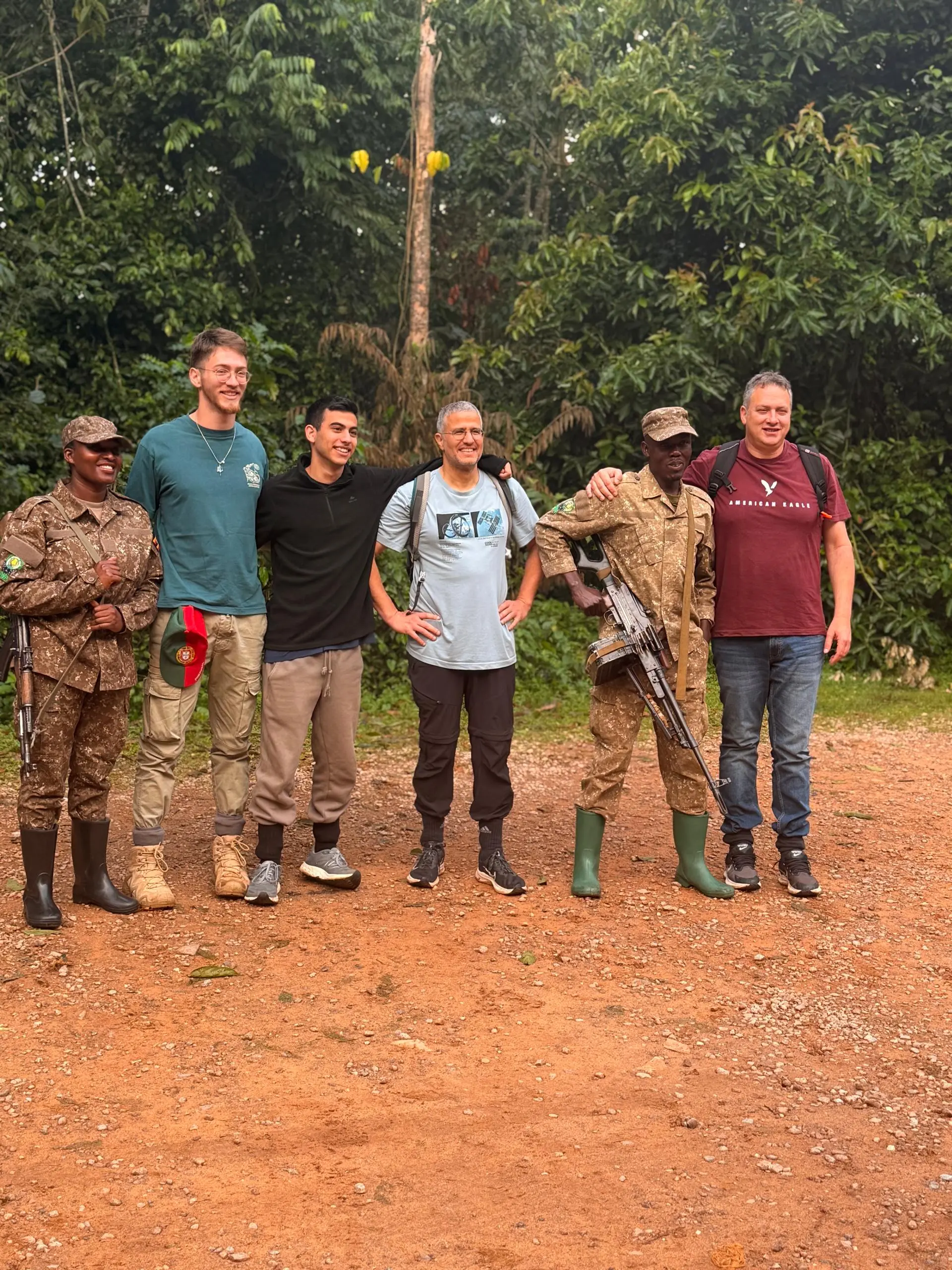
A Guide to Responsible Travel in Uganda
Here is a comprehensive guide on Responsible Travel in Uganda and how to explore the Pearl of Africa with purpose. Winston Churchill famously dubbed Uganda the “Pearl of Africa,” a moniker that has lost none of its lustre over the last century. From the mist-shrouded mountains where mountain gorillas dwell to the sprawling savannas of Queen Elizabeth National Park and the thundering cascades of the Nile, Uganda offers a density of wildlife and a warmth of culture that is unparalleled on the continent.
However, with the privilege of witnessing such natural beauty comes a profound responsibility. Uganda faces significant challenges, ranging from human-wildlife conflict and deforestation to the pressures of a burgeoning population. As modern tourism expands, the footprint of the traveller becomes heavier. To ensure that the “Pearl” remains pristine for generations to come, we must shift from mere sightseeing to responsible, conscious travel. Travelling responsibly in Uganda is not about sacrifice; it is about connection. It is about ensuring that your presence contributes positively to conservation efforts and community empowerment.

Ethical Wildlife Encounters
The cornerstone of Ugandan tourism is undoubtedly the mountain gorilla. These gentle giants, found in the impenetrable forests of Bwindi and Mgahinga, are critically endangered. While the $800 permit fee for trekking may seem steep, it is the epitome of high-value, low-impact tourism. This revenue funds rangers, anti-poaching patrols, and community development projects. By purchasing this permit, you are directly funding the survival of the species.
However, the ethics of the encounter extend beyond the payment. Adherence to park rules and regulations is non-negotiable. You must maintain a distance of seven meters (about 21 feet) not only for your safety but to prevent the transmission of human-borne diseases, which can decimate a gorilla troop. If you are feeling unwell, even with a mild cold, you must declare it; you will likely be denied the trek, but this is a vital precaution to protect the primates.
Beyond gorillas, consider the ethics of other animal interactions. Uganda is home to a growing number of chimpanzee sanctuaries and rehabilitation centres (like Ngamba Island). When visiting, ensure the facility is accredited and focused on rehabilitation and re-introduction where possible, rather than using animals solely for entertainment or photos.
Empowering Local Communities
One cannot speak of Uganda without speaking of its people. Residual effects of past conflicts and economic disparities mean that tourism dollars can be a powerful force for good. The key is to ensure those dollars bypass multinational conglomerates and land directly in the hands of locals.
When choosing the best safari operator in Uganda, prioritise locally-owned companies. While international brands offer familiarity, local operators hire local guides, source food locally, and have a deeper, intrinsic knowledge of the land. A Ugandan guide can tell you the folk tale behind a specific tree, not just its Latin name.
Furthermore, engage in “Community Tourism” (CBT). In Bwindi, for example, there are community walks organised by the Batwa people – the indigenous forest dwellers who were evicted when the National Park was gazetted. Visiting these projects allows the Batwa to preserve their cultural heritage and earn a livelihood in a world that has alienated them from their ancestral forest.
When buying souvenirs, skip the airport curio shops, which often sell mass-produced imports from Kenya or China. Instead, buy directly from the artisans. Look for woven baskets from the region of Bundibugyo, bark cloth from the Baganda, or paper beads made by women’s cooperatives in Kampala. Negotiating is part of the culture, but do so respectfully. If you are buying a $5 item, don’t beat the price down to $4 simply because you can; that small difference might mean a meal for the artisan.
The Plastic Crisis
Uganda has a beauty that can take your breath away, but it is marred by a significant plastic pollution problem. In 2018, the government instituted a ban on polyethene bags (kaveera), and travellers should support this initiative rigorously.
Do not bring plastic bags into the country. Customs agents often confiscate them upon arrival at Entebbe Airport, and your luggage will be searched. Instead, pack your toiletries and laundry in reusable pouches or packing cubes.
While in the country, avoid single-use plastic water bottles. Uganda does not have the infrastructure to recycle plastic efficiently, and bottles often end up in rivers, eventually flowing into Lake Victoria. Carry a reusable water bottle and a purification method. Many eco-lodges now provide filtered water dispensers, and products like LifeStraw or SteriPEN are invaluable for the independent traveller. By refusing plastic bottles, you are helping to reduce the litter that clogs the gutters of Kampala and the shores of the Nile.
Cultural Sensitivity (Dress Code and Photography)
Uganda is a conservative society, deeply rooted in tradition and religious values. While Kampala is cosmopolitan, rural areas remain traditional. As a visitor, dressing modestly is a sign of respect. For both men and women, avoid low-cut tops and very short shorts or skirts, especially when visiting villages, religious sites, or walking through town. Long skirts and trousers are generally safe choices.
Photography is a sensitive issue. The excitement of seeing vibrant street life can lead to the urge to snap photos of people without asking. This is intrusive and disrespectful. Always ask for permission before taking a close-up photo of someone. If you promise to send them the photo, follow through on that promise; it builds trust and breaks down the “us vs. them” dynamic.
Furthermore, be wary of “Orphanage Tourism.” Volunteering at orphanages has become a popular activity for gap-year students and tourists, but in Uganda (and many parts of East Africa), it has been linked to the exploitation of children. Vulnerable children are often taken from families to populate “orphanages” that attract donor funding. Instead of volunteering in an orphanage, support organisations that focus on community development, education, or family reunification.
Environmental Footprint
Responsible travel in Uganda is also about your carbon footprint. Internal flights are convenient but expensive and carbon-intensive. If time allows, travel by road. The journeys between parks (e.g., the drive from Kampala to Bwindi) are long, sometimes taking 8 to 10 hours, but they offer a fascinating glimpse into rural Ugandan life, the banana plantations, the bustling trading centres, and the rolling hills. By driving, you support local fuel stations, mechanics, and roadside vendors.
When choosing accommodation, look for eco-lodges. Uganda is home to some fantastic eco-lodges that utilise solar power, harvest rainwater, and employ staff from neighbouring villages. Many of these lodges practice “zero waste” policies, using compost toilets or turning waste into biogas. Staying at these properties sends a message to the hospitality industry that sustainability is profitable.
For the active traveller, the Rwenzori Mountains offer a gruelling but spectacular hike. The “Mountains of the Moon” are suffering from the effects of climate change, with retreating glaciers. Stick to designated trails to avoid damaging fragile alpine vegetation. On all hikes, practice “Leave No Trace”: carry out all trash, leave wildflowers where they grow, and do not disturb rocks.
Eating Local
Uganda is the “food basket” of East Africa. The soil is fertile, and the produce is abundant. Responsible Travel in Uganda also includes eating local cuisine rather than seeking out imported Western foods. Eating imported beef or wheat increases the carbon footprint of your meal.
Try Rolex (chapati rolled with eggs), Matoke (steamed green bananas), Posho (maize porridge), and Luwombo (stew steamed in banana leaves). Eating these dishes supports Ugandan farmers. If you eat meat, be aware of the source; in some areas, bushmeat is sold illegally. Bushmeat poaching is a major threat to wildlife populations. Ensure that your meals are sourced from domestic livestock (chicken, goat, beef) from reputable farms. Ask your guide or lodge manager where the food comes from; showing interest promotes accountability.
Conclusion
Travelling to Uganda is a privilege. It is an opportunity to witness a world where the wild still rules and where human resilience shines. But the modern traveller is no longer just a spectator; you are an active participant in the country’s future.
By choosing to trek gorillas ethically, you help guard the species against extinction. When you buy a basket from a weaver, you help put a child through school. By refusing a plastic bottle, you help clean the rivers.
The goal of responsible travel is to leave Uganda better than you found it, or at least, not worse. If you travel with curiosity, respect, and a commitment to sustainability, your presence will be a gift to the country. You will return home with more than just photos; you will have played a small, vital part in preserving the Pearl of Africa. So pack your bags, leave your plastic behind, and prepare for the journey of a lifetime, but do it with purpose.