10 Days Nyerere, Ngorongoro and Serengeti Safari in Tanzania
Experience three of Tanzania’s most remarkable wildlife destinations on this carefully designed 10-day Nyerere, Ngorongoro and Serengeti safari. This journey combines the remote wilderness and waterways of southern Tanzania with the spectacular wildlife plains of the northern safari circuit, creating an adventure that showcases the country’s extraordinary ecological diversity. From the Rufiji River in Nyerere National Park to the wildlife-rich floor of Ngorongoro Crater and the endless grasslands of Serengeti National Park, every destination introduces a different side of Tanzania’s natural heritage.
The itinerary is ideal for travelers seeking a comprehensive African safari that includes traditional game drives, distinctive wildlife experiences, beautiful landscapes and opportunities to photograph some of Africa’s most celebrated animals. By combining southern and northern Tanzania, you can explore contrasting habitats rather than limiting your holiday to a single region.
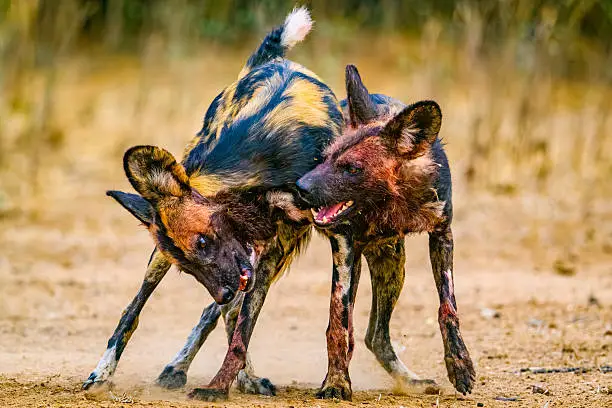
Your adventure begins in Dar es Salaam, Tanzania’s principal coastal city and a convenient gateway to Nyerere National Park. After an overnight stay or an appropriately timed arrival, you will travel to Nyerere, formerly part of the legendary Selous Game Reserve. This vast wilderness is particularly known for its riverine habitats, extensive woodlands, elephants, buffaloes, hippos, crocodiles and opportunities to search for African wild dogs.
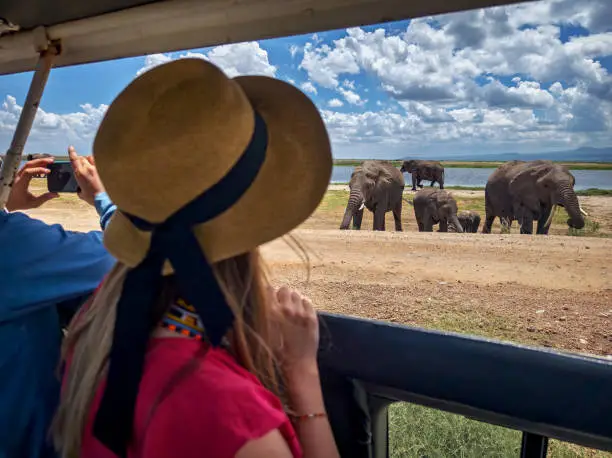
Unlike the more familiar northern safari destinations, Nyerere offers a different atmosphere, with the Rufiji River and its connected waterways forming an important part of the wildlife experience. During your stay, you will enjoy game drives in search of predators and herbivores, a boat safari that reveals the park from the water, and opportunities to learn about its distinctive ecology. The combination of land and water activities makes Nyerere an excellent starting point for travelers who want more than conventional game drives.
From southern Tanzania, the safari continues to the northern circuit, where you will explore Ngorongoro Conservation Area and Serengeti National Park. Ngorongoro is famous for its enormous volcanic caldera, whose grasslands, wetlands, lakes and woodland habitats support an impressive concentration of wildlife. A descent into the crater offers opportunities to search for lions, elephants, buffaloes, zebras, wildebeest and other species, with the possibility of encountering the endangered black rhinoceros.
Serengeti National Park provides a fitting finale, with immense plains, rocky kopjes, seasonal water sources and diverse wildlife populations. The park is internationally renowned for the Great Wildebeest Migration, during which enormous herds of wildebeest and zebras move through the wider Serengeti ecosystem in search of fresh grazing and water. The location of the herds changes throughout the year, so the itinerary can be adjusted to focus on the most appropriate region for your travel dates.
Organized by Native Africa Tours, this 10-day Tanzania safari can be tailored to your preferred accommodation category, budget, travel dates and wildlife interests. The proposed itinerary uses domestic flights to connect the southern and northern circuits efficiently, while private road transfers and guided game drives allow you to explore the parks at a comfortable pace.
Travelers can choose midrange tented camps for an authentic safari atmosphere or luxury lodges for additional comfort and personalized service. Whether your priority is searching for African wild dogs, photographing big cats, experiencing the Great Migration or enjoying a diverse safari across Tanzania, this itinerary brings together three outstanding destinations in one memorable journey.
Detailed 10-Day Tanzania Safari Itinerary
Day 1: Arrival in Dar es Salaam, Tanzania
Your 10-day Tanzania safari begins with your arrival at Julius Nyerere International Airport in Dar es Salaam. Upon arrival, you will be met by a representative and transferred to your hotel, where you can settle in after your international journey. Depending on your arrival time, you may have an opportunity to explore parts of the city, relax at your accommodation or enjoy a leisurely meal before the safari begins. Dar es Salaam is a busy coastal city with a mixture of modern urban development, traditional markets, local restaurants and Indian Ocean influences. However, the main purpose of this first day is to rest and prepare for the wildlife adventure ahead, especially if you have travelled a long distance to Tanzania.
During the evening, you can receive a safari briefing covering the itinerary, domestic flights, luggage requirements, park activities and practical considerations for traveling through southern and northern Tanzania. Your safari consultant can confirm the pickup arrangements, accommodation details and any final requirements before departure to Nyerere National Park.
Because domestic safari flights may operate on schedules that do not align with every international arrival, an overnight stay in Dar es Salaam provides a useful buffer and reduces the risk of missing the connection. If you arrive early enough and a suitable flight is confirmed, the itinerary may be rearranged to allow you to travel to Nyerere sooner, subject to flight availability and the accommodation plan.
The remainder of the day is free for relaxation. You may enjoy dinner at your hotel and prepare your camera, binoculars, sun protection and lightweight clothing for the following day’s journey. Travelers should keep essential items, travel documents and any medication in their hand luggage, particularly when domestic flights involve small aircraft and restricted baggage allowances. Your first night in Tanzania prepares you for an itinerary that moves from the riverine wilderness of Nyerere to the crater landscapes of Ngorongoro and the expansive savannahs of the Serengeti.
Day 2: Fly from Dar es Salaam to Nyerere National Park and Enjoy an Afternoon Game Drive
After breakfast, you will transfer to the airport for your domestic flight to Nyerere National Park. Flying is generally the most convenient way to connect Dar es Salaam with the southern safari circuit, allowing you to spend more time exploring wildlife habitats instead of using much of the day for road travel. Depending on the flight booked and the location of your camp, you may arrive at an airstrip such as Mtemere, Siwandu or another suitable landing site serving the park. Your camp representative or safari guide will meet you and arrange the transfer to your accommodation. Flight schedules, baggage limits and transfer arrangements will be confirmed before departure.
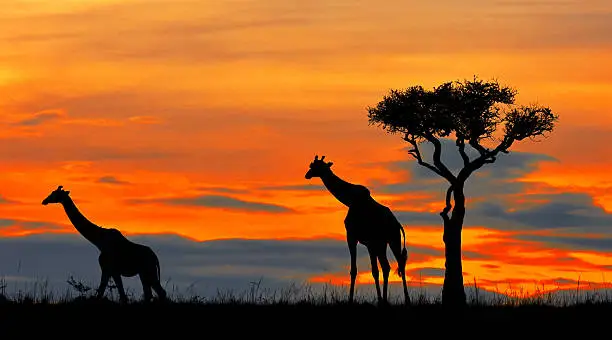
After check-in and lunch, you will have time to relax before beginning your first game drive in Nyerere National Park. Formerly part of the Selous Game Reserve, Nyerere protects an extensive landscape of woodlands, floodplains, lakes and river channels associated with the Rufiji River system. These habitats support a wide variety of wildlife and offer an atmosphere that differs from the open plains of the Serengeti. During the afternoon drive, your guide will introduce you to the park’s wildlife and explain how animals use the different habitats. You may encounter elephants feeding in woodland clearings, giraffes browsing on trees, zebras and antelopes grazing in open areas, or buffaloes moving between feeding grounds and water sources.
The afternoon is also an opportunity to begin searching for African wild dogs, one of Nyerere’s most fascinating predators. These highly social animals live in packs and rely on cooperation to hunt and raise their young. Their movements are unpredictable, and locating them requires patience, experienced guiding and information about recent sightings. Your guide may investigate suitable habitats, examine tracks and respond to reports from other authorized guides. Although a sighting cannot be guaranteed, Nyerere is an important stronghold for this endangered species, making it an appealing destination for travelers interested in specialized wildlife experiences. Lions, spotted hyenas and other predators may also be encountered during the drive, depending on their movements.
As the sun begins to set, you will return to your lodge or tented camp for dinner. The evening provides an opportunity to discuss the day’s sightings and learn about the activities planned for the following morning. With its combination of extensive wilderness, riverine scenery and varied wildlife, Nyerere offers a rewarding introduction to the southern Tanzania safari circuit.
Day 3: Full-Day Wildlife Safari in Nyerere National Park
Wake early for breakfast before departing on a full morning game drive through Nyerere National Park. The early hours are particularly attractive for wildlife viewing because temperatures are cooler and some animals are active before the heat of the day. Your guide will select suitable routes according to recent wildlife reports, seasonal conditions and the habitats you have already explored. The main focus may include African wild dogs, lions, elephants, buffaloes and other mammals, while birdlife and the changing scenery add further interest to the drive.
If wild dog tracking is a priority, the morning can be dedicated to searching for packs in suitable areas. Your guide may explain how to interpret animal tracks, identify likely movement routes and recognize indirect signs of wildlife activity. If a pack is located, you may observe its members resting, moving through woodland, interacting socially or preparing to hunt. Such encounters depend entirely on natural behavior and should always be observed responsibly. Guides must maintain appropriate distances and follow park regulations rather than attempt to force close encounters. Even without a wild dog sighting, the search provides insight into the ecology of a large protected landscape and the conservation challenges faced by wide-ranging predators.
The morning game drive may also reveal elephants moving between woodland and open areas, giraffes feeding on acacia trees, zebras grazing on floodplains and antelopes gathering near water. Birdwatchers can look for fish eagles, kingfishers, bee-eaters, herons and other species associated with the park’s varied habitats. Your guide will help identify the animals and explain their relationships with the surrounding environment. The vastness of Nyerere means that sightings can be spread across considerable distances, so allowing time for a flexible route is an important part of the safari experience.
Return to camp for lunch and some relaxation during the warmer part of the day. Depending on your preference and the camp’s facilities, you can spend this period enjoying the surroundings, photographing the landscape or simply resting before the afternoon activity.
Later, continue with another game drive in a different area or revisit locations where promising wildlife activity was reported earlier. This second session can provide additional opportunities to observe predators and herbivores under changing light conditions. In the evening, return to camp for dinner and an overnight stay. The day is designed to maximize your time in the park, allowing a deeper appreciation of its wildlife rather than treating Nyerere as a brief stop on the way to northern Tanzania.
Day 4: Rufiji River Boat Safari and Final Wildlife Experience in Nyerere
Your final full day in Nyerere National Park introduces a different way to explore the wilderness through a boat safari on the Rufiji River or its connected waterways. After breakfast, you may begin with a short game drive, depending on the camp’s location and the planned boat departure. This provides one more opportunity to look for wildlife before shifting the focus to the river ecosystem. If there have been promising wild dog sightings, your guide may use the available morning hours to revisit suitable habitat. Otherwise, you can explore other areas in search of elephants, antelopes, giraffes and predators.
Later, head to an authorized boat departure point for a guided excursion along the Rufiji River. The river system is one of Nyerere’s defining features, supporting hippos, Nile crocodiles, waterbirds and mammals that come to drink along the banks. From the boat, you can observe the landscape at water level, watching birds feed around the shallows and crocodiles bask on exposed banks. Elephants and buffaloes may appear near the water, while hippos often gather in deeper channels and pools. Your guide will explain how the river supports the wider ecosystem and why water availability influences wildlife distribution, particularly during the dry season.
The boat safari is especially rewarding for photographers and bird enthusiasts because it offers a different perspective from the elevated view of a 4×4 vehicle. You may photograph fish eagles perched above the water, kingfishers hunting along the banks, herons standing in the shallows and the reflections of trees across quiet channels. The exact wildlife encountered will depend on the river conditions, season and activity of the animals. Your operator will confirm the timing, safety procedures and duration of the excursion. If a guided walking safari is offered by your camp and can be arranged safely within the available schedule, it may be considered as an alternative or additional activity, subject to permits and availability.
After returning to camp, enjoy lunch and prepare for the next stage of your Tanzania adventure. The southern circuit experience concludes with dinner and your final night in Nyerere. Over the previous days, you will have explored the park by vehicle and water, gaining a broad appreciation of its wildlife and landscapes. The following morning, you will travel toward northern Tanzania, where Ngorongoro and Serengeti offer a different combination of open grasslands, crater habitats and major wildlife populations.
Day 5: Fly from Nyerere to Arusha and Transfer to Your Northern Tanzania Hotel
After breakfast, transfer to the appropriate airstrip for your domestic flight toward Arusha, the principal gateway to Tanzania’s northern safari circuit. Depending on available airline schedules, this connection may involve a direct flight or a transfer through another airport, such as Dar es Salaam. The exact routing should be confirmed when booking the itinerary, as domestic flight schedules vary by season and may not operate daily on every route. Your safari team will coordinate the airstrip transfer, flight details and onward transport to minimize unnecessary waiting.
On arrival in Arusha, you will meet your northern circuit driver-guide and transfer to your hotel. Arusha lies beneath Mount Meru and serves as a base for safaris to Serengeti National Park, Ngorongoro Conservation Area and other northern Tanzania destinations. After several days in the southern wilderness, this overnight stop offers a chance to rest, refresh and prepare for the next phase of your journey. Depending on your arrival time, you may enjoy lunch at the hotel, relax in the gardens or explore a few nearby attractions if time allows. The day is intentionally less demanding because the following morning involves travel toward the Ngorongoro region.
Your guide will review the route, confirm the next accommodation and explain the arrangements for the Ngorongoro Crater excursion. The northern circuit has different terrain and climatic conditions from Nyerere, and temperatures around the Ngorongoro highlands can be noticeably cooler, particularly early in the morning. Pack a warm jacket, comfortable walking shoes, sunscreen and a camera for the crater descent and subsequent Serengeti game drives. Travelers should also confirm that their luggage is suitable for the domestic flights already taken and any onward light-aircraft services included later in the safari.
The overnight stay in Arusha provides a practical bridge between Tanzania’s southern and northern circuits. It also helps keep the itinerary manageable by avoiding an unnecessarily long same-day combination of flights, road transfers and wildlife activities. After dinner, relax at your hotel before continuing toward Ngorongoro Conservation Area.
Day 6: Ngorongoro Crater Safari and Overnight in the Ngorongoro Highlands
After an early breakfast, depart Arusha for Ngorongoro Conservation Area, traveling through the scenic landscapes of northern Tanzania toward the Ngorongoro highlands. The journey passes rural settlements, cultivated areas and changing vegetation before reaching the elevated terrain surrounding the conservation area. As you approach Ngorongoro, the landscape becomes increasingly dramatic, with forested slopes, open grasslands and viewpoints overlooking the immense volcanic caldera. Your guide will explain the geological history of the region and its importance as a protected landscape where wildlife conservation, tourism and human communities coexist under specific management rules.
The highlight of the day is a descent into Ngorongoro Crater for a game drive. The crater formed after a large volcanic structure collapsed, creating a natural basin with grasslands, wetlands, woodland and a soda lake. This diverse environment supports a substantial concentration of resident wildlife, making the crater one of Tanzania’s most celebrated safari destinations. As you explore the crater floor, you may encounter zebras grazing in open areas, wildebeest moving across the plains, buffaloes feeding near wetlands and elephants passing through suitable habitats.
Lions are regularly sought by safari guides, while hyenas and other predators contribute to the complex ecosystem. The crater is also one of the places where visitors have a chance of seeing the endangered black rhinoceros, although sightings are never guaranteed. The game drive offers opportunities to photograph wildlife against the crater’s distinctive scenery. Flamingos and other waterbirds may be present around suitable lake and wetland habitats, depending on water conditions and season.
Your guide will explain how the crater’s different habitats support a wide range of species within a relatively compact area. However, the number of animals seen will depend on natural movements, weather and the route permitted for the day. Visitors must follow designated tracks and all conservation area regulations, as off-road driving is restricted.
After several hours of game viewing, ascend from the crater floor and continue to your accommodation in the Ngorongoro highlands or nearby Karatu area. The exact location depends on the camp selected and the overall budget. A property near the crater access route can help simplify the following day’s journey toward Serengeti, while accommodation in Karatu may provide additional choices across different price categories. Enjoy dinner and relax as you prepare for the transition from the volcanic highlands to the wide-open plains of the Serengeti.
Day 7: Travel from Ngorongoro to Serengeti National Park with Game Viewing En Route
After breakfast, depart for Serengeti National Park, one of Africa’s most iconic wildlife destinations. The drive takes you through the Ngorongoro Conservation Area and into the broader Serengeti ecosystem, where the landscape gradually opens into vast grasslands, scattered rocky kopjes and expansive plains. Along the way, your guide will explain how seasonal rainfall and the availability of fresh grazing influence the movements of wildebeest, zebras and other herbivores. These natural patterns underpin the Great Migration, one of the world’s most remarkable wildlife spectacles.
Depending on your departure point, route and travel dates, the journey may include wildlife viewing along the way. The Serengeti is famous for its large herds of wildebeest and zebras, but it also supports gazelles, giraffes, elephants, buffaloes and an impressive range of predators. Lions are often associated with rocky outcrops and open plains, while cheetahs may be encountered in suitable grassland habitats. Leopards are more elusive and may be found resting in trees or moving through riverine vegetation. Your guide will make suitable stops where permitted, balancing wildlife viewing with the time required to reach your camp.
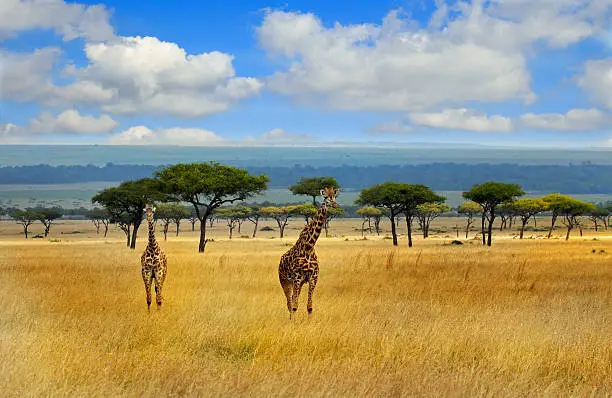
As you enter the Serengeti, the scale of the landscape becomes increasingly apparent. The park contains different ecological zones, including open short-grass plains, longer grasslands, woodlands and river corridors. These habitats support wildlife throughout the year, but the location of particular herds changes with seasonal rainfall. For this reason, the most appropriate camp depends on the time of travel and the wildlife experience you want to prioritize. If the Great Migration is a central goal, your itinerary should be planned around the likely location of the herds during your chosen month rather than assuming they remain in one area.
Arrive at your selected lodge or tented camp in time for lunch or an afternoon game drive, depending on the route and arrival time. If the schedule permits, you can explore nearby plains in search of wildlife before returning to camp at sunset. Dinner will be served at your accommodation, where you can relax beneath the Serengeti sky and listen to the sounds of the surrounding wilderness. Your guide will discuss the following day’s plan, including the most promising areas for wildlife viewing.
Day 8: Full-Day Game Drive in Serengeti National Park
Spend a full day exploring Serengeti National Park, with an early departure to make the most of the cooler morning hours. The day’s route will be planned around your camp’s location, current wildlife reports and the season. If the Great Migration is moving through the relevant region, your guide will focus on locating the herds and observing their movements. At other times of the year, the emphasis may be on resident wildlife, predator activity and the park’s diverse landscapes. Serengeti is rewarding throughout the year, but the precise experience varies according to rainfall and the distribution of animals.
The Great Migration involves vast numbers of wildebeest, accompanied by zebras and gazelles, moving across the Serengeti ecosystem in search of fresh grazing and water. It is a continuous annual cycle rather than a single event that takes place in one location. During the calving season, typically around January and February in the southern Serengeti and Ndutu region, large numbers of wildebeest give birth, attracting predators such as lions, hyenas and cheetahs. As the year progresses, herds move toward different grazing areas, and river crossings may occur when animals encounter major rivers along their migration route. The exact timing and location of these movements vary, so sightings should never be guaranteed.
Throughout the day, your guide will search for the Serengeti’s famous predators and other wildlife. Lions may be found resting in shade or moving between hunting areas, while cheetahs can sometimes be seen scanning open plains for prey. Leopards are less predictable and often require patience to locate. Elephants, giraffes, buffaloes, topi, impalas and numerous bird species add diversity to the experience. Rocky kopjes can provide excellent vantage points for spotting lions and other animals, while seasonal water sources attract wildlife during drier periods. For photographers, the open landscape and changing light can create opportunities for dramatic images of animals against the plains.
A full-day game drive may include a picnic lunch at an authorized location, allowing you to remain in the field rather than returning to camp during the middle of the day. Your guide will adjust the route according to wildlife sightings and park regulations. In the late afternoon, return to camp for dinner and relaxation. This day is designed to provide an immersive Serengeti experience, with enough time to explore more than one habitat and observe wildlife without rushing between destinations.
Day 9: Sunrise Safari and More Wildlife Exploration in Serengeti National Park
Your final full day in the Serengeti offers another opportunity to explore the park and search for wildlife that may not have been encountered during the previous drives. After an early breakfast, set out with your guide while the plains are still cool and the light is soft. Morning game drives are particularly attractive for photography and for observing animals before they settle into shade during the warmer part of the day. Depending on recent sightings, your guide may revisit a location where lions, cheetahs, leopards or other animals were previously observed, or explore a different habitat to broaden your wildlife experience.
If your safari coincides with the Great Migration, the day can be dedicated to following the herds in the appropriate region. During some seasons, vast groups of wildebeest and zebras spread across open plains, creating extraordinary photographic opportunities. In other periods, the animals may be moving through woodland, gathering near water sources or concentrating in specific grazing areas. River crossings can be dramatic when they occur, but they are unpredictable and depend on the herds’ natural movements. Your guide will use local knowledge and current reports to help identify promising areas without guaranteeing a particular event.
The Serengeti is not solely about the migration. Resident wildlife provides rewarding viewing even when the largest herds are elsewhere. You may encounter giraffes feeding on trees, elephants crossing the plains, buffaloes grazing in large groups and smaller antelopes moving through the grass. Birdlife is abundant, ranging from large ground-dwelling species to raptors and colorful birds in suitable habitats. The varied scenery, including open grasslands, seasonal rivers and rocky kopjes, makes the park an excellent destination for landscape photography as well as wildlife observation.
Depending on your preferences and the camp’s arrangements, an optional hot-air balloon safari may be available in the Serengeti. This activity typically begins before sunrise and offers an aerial perspective of the plains, followed by a celebratory bush breakfast after landing. It usually requires advance booking and incurs an additional charge. If you choose not to take the balloon flight, you can enjoy a conventional morning game drive with your guide. After lunch, continue exploring the park or enjoy some time at camp before a final afternoon safari. Return for dinner and your last overnight stay in the Serengeti, bringing the wildlife-viewing portion of your 10-day journey to a close.
Day 10: Final Serengeti Game Drive and Departure to Arusha
Enjoy breakfast at camp before your final wildlife activity, depending on the departure schedule. If time and flight arrangements permit, you may take a short morning game drive around the camp’s surrounding area. This final outing offers one last opportunity to photograph the Serengeti’s landscapes and wildlife before leaving the park. Your guide will select a route that balances the possibility of sightings with the time required to reach the designated airstrip. If an early flight is scheduled, the morning may instead involve a direct transfer after breakfast or a packed meal arranged by the camp.
You will then transfer to the appropriate Serengeti airstrip for your domestic flight to Arusha or another confirmed departure point. The selected airstrip depends on the location of your accommodation and the airline’s operating schedule. Travelers should confirm luggage restrictions and departure times in advance, as light aircraft generally have stricter baggage limits than international airlines. Depending on the final arrangements, you may arrive in Arusha with time for an onward international connection, a hotel stay or additional travel within Tanzania.
If your international flight departs from Kilimanjaro International Airport, allow sufficient time for the road transfer from Arusha and any check-in requirements. Domestic flights can occasionally be affected by weather or operational changes, so it is preferable to avoid scheduling an international departure too close to the expected arrival of the safari flight. For travelers with later international departures, Native Africa Tours can coordinate the appropriate transfer and advise whether an additional overnight stay is advisable.
Your 10-day Nyerere, Ngorongoro and Serengeti safari concludes with memories of Tanzania’s contrasting wildlife landscapes. You will have explored the waterways and wilderness of Nyerere, descended into the remarkable Ngorongoro Crater and experienced the immense plains of the Serengeti. The combination of southern and northern Tanzania makes this itinerary particularly appealing to travelers who want a broad introduction to the country’s wildlife, scenery and safari experiences in a single journey.
Best Time to Take a 10-Day Nyerere, Ngorongoro and Serengeti Safari
The best time to visit Nyerere National Park, Ngorongoro Conservation Area and Serengeti National Park depends on your wildlife priorities, preferred weather and travel budget. June to October is generally a popular period for wildlife viewing because much of Tanzania experiences relatively dry conditions.
In Nyerere, wildlife may become easier to observe around rivers and other remaining water sources, while the northern circuit often offers excellent game viewing. Ngorongoro Crater supports resident wildlife throughout the year, and Serengeti provides rewarding experiences across different seasons. However, conditions vary between destinations, and no single month guarantees every species or wildlife event.
The Great Migration is an important consideration when selecting your travel dates. Around January and February, the southern Serengeti and Ndutu region are commonly associated with the wildebeest calving season. During other months, herds move through different parts of the Serengeti ecosystem, with the western corridor and northern regions becoming important at different stages of the annual cycle. River crossings may occur during migration movements, but their timing depends on the animals and weather. Travelers interested in the migration should choose accommodation according to the likely location of the herds rather than relying on a fixed calendar date.
Nyerere is generally particularly attractive during the drier months, when road access and wildlife viewing can be more favorable. The green season can provide beautiful scenery and excellent birdwatching, although heavy rains may affect some roads, activities or camp operations. Ngorongoro is a year-round destination, but its highland climate can be cool and misty. Packing layers is advisable regardless of the month, especially for early-morning crater drives.
Native Africa Tours recommends planning this 10-day safari around your main priority. If your goal is the Great Migration, your Serengeti accommodation and route should be matched to the expected seasonal movements. If you are more interested in wild dogs and river safaris, allow sufficient time in Nyerere. Travelers seeking a balanced safari can choose dates that offer good general wildlife opportunities across all three destinations.
What Wildlife Can You See on This Tanzania Safari?
This itinerary offers opportunities to encounter a wide variety of East African wildlife, although individual sightings depend on natural movements, seasonal conditions and the habitats visited.
Nyerere National Park is known for elephants, buffaloes, giraffes, zebras, antelopes, lions, spotted hyenas, hippos, crocodiles and African wild dogs. The Rufiji River also supports a rich variety of birds and other aquatic wildlife.
Ngorongoro Crater supports lions, elephants, buffaloes, zebras, wildebeest, hyenas, antelopes and many bird species. Visitors may also encounter the endangered black rhinoceros, though sightings are not guaranteed.
Serengeti National Park is famous for lions, cheetahs, leopards, elephants, buffaloes, giraffes, zebras, wildebeest, gazelles and numerous bird species. Depending on the season and location, you may observe large concentrations of migrating herbivores and the predators that follow them.
Together, these destinations provide opportunities to search for the Big Five: lion, leopard, elephant, buffalo and rhinoceros. Seeing all five is possible but never guaranteed, and a responsible safari should focus on observing wildlife ethically rather than promising specific encounters.
Accommodation Options for the 10-Day Tanzania Safari
Choosing suitable accommodation is important because the location of each property affects transfer times, game-drive opportunities and the overall pace of the journey. The proposed itinerary includes nine nights across Dar es Salaam, Nyerere, Arusha, the Ngorongoro region and Serengeti.
In Dar es Salaam, a comfortable hotel near the airport or with convenient airport transfers is a practical choice for the first night. In Nyerere, safari lodges and tented camps offer access to game drives and, where available, Rufiji River boat safaris. The best property depends on the airstrip used, its position within the park and the activities offered.
For the Arusha overnight stay, choose a hotel that provides convenient access to the northern circuit departure route. Around Ngorongoro, options range from comfortable lodges in Karatu to properties closer to the conservation area. Staying in the highlands can provide scenic views and convenient access to the crater, although temperatures are often cooler than in the lowlands.
In Serengeti, accommodation should be selected according to the season and your wildlife priorities. Central Serengeti is a useful base for a broad range of wildlife viewing, while other regions may be more suitable when the Great Migration is moving through them. Some camps operate seasonally, so availability must be checked for your travel dates.
Native Africa Tours can recommend accommodation according to your preferred level of comfort, budget and travel season. The final itinerary should identify each confirmed property, room category, meal plan, transfer arrangement and applicable park or concession charges.
How to Get Around During the Safari
This itinerary combines domestic flights and road transfers to make a 10-day journey across southern and northern Tanzania practical. The first section uses a domestic flight from Dar es Salaam to Nyerere National Park, reducing the time spent traveling by road. After three nights in the park, you will fly toward Arusha, potentially through Dar es Salaam depending on available schedules. The northern section then uses a private 4×4 safari vehicle for the journey to Ngorongoro and Serengeti.
The exact flight routing is a key detail that should be confirmed before publication and booking. Not every route operates daily, and some connections may require a change of aircraft or airport. Flight schedules, baggage allowances and airstrip transfers can also vary by airline, season and camp location. The final price should reflect the actual routing rather than assume a direct flight where one is not available.
Road transfers in the northern circuit can involve several hours of driving, especially between Arusha, Ngorongoro and Serengeti. These journeys are also part of the safari experience, with opportunities to observe rural landscapes and wildlife en route. A private vehicle allows your guide to adjust stops within the permitted route and spend time at suitable wildlife sightings.
If you prefer to reduce long road journeys, it may be possible to arrange additional domestic flights between selected northern circuit locations. These alternatives usually increase the overall cost and depend on flight availability, but they can be useful for travelers with limited time or a preference for a more exclusive safari.
Frequently Asked Questions About the 10-Day Tanzania Safari
Is 10 days enough to visit Nyerere, Ngorongoro and Serengeti?
Yes. Ten days provides a varied safari experience across the three destinations, with three nights in Nyerere, a crater safari at Ngorongoro and three nights in Serengeti. Domestic flights help connect the southern and northern circuits. Travelers who prefer a slower pace or want more time following the Great Migration can extend the itinerary.
Can I see the Big Five on this safari?
The itinerary provides opportunities to search for lion, leopard, elephant, buffalo and rhinoceros. Ngorongoro Crater and Serengeti are especially important parts of the Big Five experience, while Nyerere offers excellent opportunities for elephants, buffaloes and other wildlife. However, no safari operator can guarantee sightings of all five species.
Can I see the Great Wildebeest Migration?
Yes, depending on your travel dates and the location of the herds. The migration moves through different regions of the Serengeti ecosystem throughout the year. January and February are commonly associated with calving in the south, while other months bring the herds through different areas. Native Africa Tours can recommend suitable accommodation and routes based on your travel dates, but migration sightings and river crossings cannot be guaranteed.
Is Nyerere National Park worth including in a northern Tanzania safari?
Nyerere is an excellent addition for travelers who want to experience a different side of Tanzania. It offers extensive wilderness, riverine landscapes, boat safaris and opportunities to search for African wild dogs. Combining it with Ngorongoro and Serengeti provides a broader range of habitats and wildlife experiences than visiting the northern circuit alone.
Is the Rufiji River boat safari included?
The proposed itinerary includes a Rufiji River boat safari on day four. The final booking should confirm the operator, departure point, duration and any additional charges. Boat activities are subject to operational conditions, water levels, weather and safety requirements.
What accommodation category should I choose?
Midrange lodges and tented camps are suitable for travelers seeking comfort and an authentic safari atmosphere at a more moderate cost. Luxury properties offer additional amenities, premium locations and more personalized service, often at a significantly higher price. Your choice should also consider camp location, as proximity to wildlife areas can be just as important as the room category.
Can the itinerary be customized?
Yes. Native Africa Tours can tailor the itinerary to your travel dates, group size, preferred accommodation and wildlife interests. You can request additional nights in the Serengeti, more time in Nyerere, a private vehicle, a hot-air balloon safari or different domestic flight arrangements. Changes depend on availability and the resulting travel costs.
Where does the safari start and end?
The proposed itinerary starts in Dar es Salaam and ends in Arusha, with the northern section arranged around Ngorongoro and Serengeti. It can be modified to begin or end at another suitable airport, subject to domestic flight schedules, transfer arrangements and any additional costs.
Book Your 10-Day Nyerere, Ngorongoro and Serengeti Safari with Native Africa Tours
Discover the diversity of Tanzania on an unforgettable 10-day Nyerere, Ngorongoro and Serengeti safari with Native Africa Tours. From searching for African wild dogs in the wilderness of Nyerere National Park to exploring the wildlife-rich floor of Ngorongoro Crater and following the seasonal movements of animals across the Serengeti plains, this journey offers a comprehensive introduction to some of East Africa’s most celebrated safari destinations.
Whether you are planning a first African safari, a photography holiday, a private couple’s adventure or a special wildlife trip with family and friends, we can help you create an itinerary that suits your interests and budget. Our team can advise on accommodation choices, domestic flights, park activities and the best route for your travel dates. We can also tailor the safari to focus more strongly on African wild dogs, the Big Five or the Great Migration.
Contact Native Africa Tours today to request a personalized quotation for your 10-day Tanzania safari. Tell us when you plan to travel, how many people are joining, your preferred accommodation category and whether you would like to prioritize wild dog tracking, the Great Migration or a balanced wildlife experience across all three destinations.
With thoughtful planning, experienced local guiding and carefully selected accommodation, this safari can bring together the distinctive landscapes of southern Tanzania and the iconic wildlife of the northern circuit in one memorable adventure.
Plan your Tanzania safari with Native Africa Tours and discover the extraordinary wilderness of Nyerere National Park, Ngorongoro Conservation Area and Serengeti National Park.