Altitude of Mgahinga Gorilla National Park
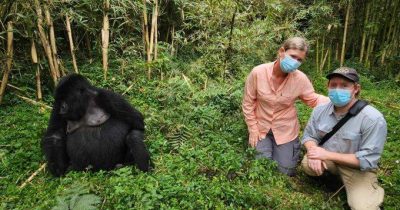
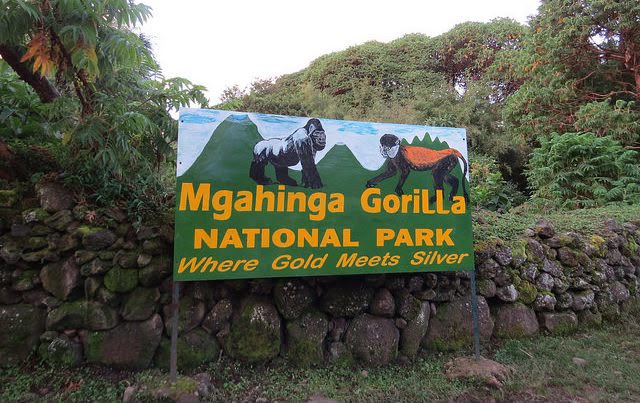
The anticipation begins long before you lace up your hiking boots. It starts in the pre-dawn chill of Kisoro or Kabale, as the Land Cruiser rattles along dirt roads toward the border. Your destination is Mgahinga Gorilla National Park, a sliver of Ugandan wilderness tucked into the southwestern corner of the country, part of the grand transboundary Volcanoes Conservation Area. While the primary objective for every visitor is a singular, life-changing hour with the endangered Mountain Gorillas, there is an invisible, omnipresent factor that dictates the rhythm of the day: the altitude of Mgahinga Gorilla National Park.
Mgahinga is not merely a park; it is a high-altitude archipelago of volcanic peaks (Muhavura, Gahinga, and Sabinyo). To trek here is to step into a world where the air is thin, the weather is mercurial, and the physical demands are genuine. Understanding the altitude of Mgahinga Gorilla National Park is not just a matter of trivia; it is the key to safety, enjoyment, and ultimately, the success of your encounter with the giants of the mist.
The Geography of Mgahinga National Park
To understand the trekking experience in Mgahinga, one must first appreciate the verticality of the landscape. Unlike the lowland savannahs that attract safari-goers to other parts of East Africa, Mgahinga is a highland realm. The park ranges from approximately 2,227 meters (7,306 feet) to 4,127 meters (13,540 feet) above sea level.
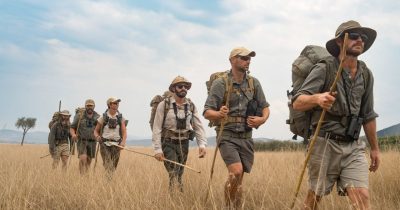
The trekking itself usually begins at the park headquarters, situated at around 2,300 meters. From this vantage point, you are already significantly higher than many European ski resorts. However, the habituated gorilla groups, particularly the famous Nyakagezi gorilla family, do not always wait for you at the base. They are wild animals navigating a rugged, volcanic terrain dictated by the seasonality of food sources.
During the rainy season, when the vegetation in the lower valleys becomes lush and abundant, the gorillas may descend, making for a “moderate” trek. But during drier months, or simply due to whim, they retreat to the high altitudes of the bamboo forests and the afro-alpine zones. Trekkers may find themselves ascending rapidly to over 3,000 meters (9,800 feet) within the span of a few hours. It is at these heights that the physics of the atmosphere begins to interact with human physiology.
The Physiology of High-Altitude Trekking
The defining characteristic of high altitude is hypobaric hypoxia – a fancy term for “low oxygen pressure.” As you ascend, the barometric pressure drops, meaning the air molecules are more spread out. While the percentage of oxygen in the atmosphere remains roughly 21% at sea level as it does at 3,000 meters, the density of that oxygen is significantly lower. Your lungs have to work harder to extract the same amount of oxygen from the air to fuel your muscles and brain.
For the unacclimatized traveler, this can manifest as Acute Mountain Sickness (AMS). At the altitudes encountered in Mgahinga, AMS is a very real possibility. Symptoms often mimic a hangover or a severe flu: throbbing headaches, nausea, dizziness, shortness of breath upon exertion, and a distinct loss of appetite.
It is crucial to distinguish between the heavy breathing caused by physical exertion and the respiratory distress caused by altitude. Steep uphill climbing will leave anyone panting, but if you find yourself gasping for air while standing still, or if your heartbeat remains racing despite a rest, your body is signaling that it is struggling to cope with the elevation.
Furthermore, the “thin air” accelerates dehydration. The humidity in the alpine zone is often low, and the increased respiration rate leads to significant water loss through vapour in the breath. Many trekkers in Mgahinga feel fatigue setting in, not because they lack fitness, but because they are dehydrated, a condition that is exacerbated by the altitude.
Weather and Elevation of Mgahinga National Park
The altitude of Mgahinga Gorilla National Park not only affects the air you breathe; it dictates the clothes you must wear. The park sits within the Albertine Rift, a geological cauldron that creates its own weather systems. As a general rule of thumb in the mountains, for every 1,000 meters you climb, the temperature drops by approximately 6.5 degrees Celsius.
You may start your hike in a t-shirt, sweating under the equatorial sun as you traverse the lower slopes. However, as the gorilla trackers lead you up into the higher bamboo zones, the temperature can plummet. The “mist” in Mgahinga is not just poetic license; it is a daily reality. The park is frequently shrouded in dense, foggy clouds that roll off the peaks without warning.
This sudden drop in temperature, combined with the sweat generated during the climb, creates a recipe for hypothermia if a trekker is unprepared. The wind chill factor at the higher elevations can be biting, cutting through light layers. Rain is also a frequent companion at these altitudes, turning the volcanic, loamy soil into a slippery, treacherous sludge. The combination of physical exhaustion from low oxygen and being wet and cold is the primary reason trekkers sometimes fail to reach the gorillas.
Physical Preparation and Acclimatisation
Given the physical demands of trekking at 2,500 to 3,500 meters, preparation is non-negotiable. You do not need to be an Olympic athlete to see the gorillas, but a baseline of cardiovascular fitness is essential. Engaging in aerobic exercises like running, swimming, or cycling for at least a month before your trip helps improve your body’s efficiency at using oxygen.
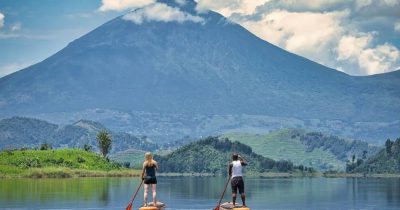
However, fitness is a shield, not a cure. Even the fittest athletes can succumb to altitude sickness. This is why acclimatisation is critical. If possible, travelers should plan their itinerary such that they spend at least one night in Kisoro or the higher reaches of the nearby Lake Mutanda before attempting the trek.
Kisoro sits at roughly 1,900 meters, while Lake Mutanda is higher. Spending 24 to 48 hours at these intermediate elevations allows your body to begin producing red blood cells and adjusting its pH balance to cope with the lower oxygen levels. Attempting to fly from Entebbe (1,100 meters) directly to the park and trekking the next morning is a risky endeavour that heightens the likelihood of AMS.
Pack your Bags and Visit Mgahinga
Mgahinga Gorilla National Park offers one of the most primal and rewarding wildlife experiences on the planet. However, it is an experience earned through physical exertion in a challenging environment. The altitude is the gatekeeper of the Virungas; it demands respect, preparation, and patience.
By understanding the effects of the thin air, preparing your body, and respecting the pace of the mountain, you transform the altitude from an obstacle into a companion. The struggle to catch your breath on the climb only serves to heighten the intensity of the final encounter. When you finally sit in the silence of the bamboo forest, watching the Nyakagezi family go about their lives, the altitude fades away, leaving only the profound realisation that you have stepped, however briefly, into a world above the clouds.