
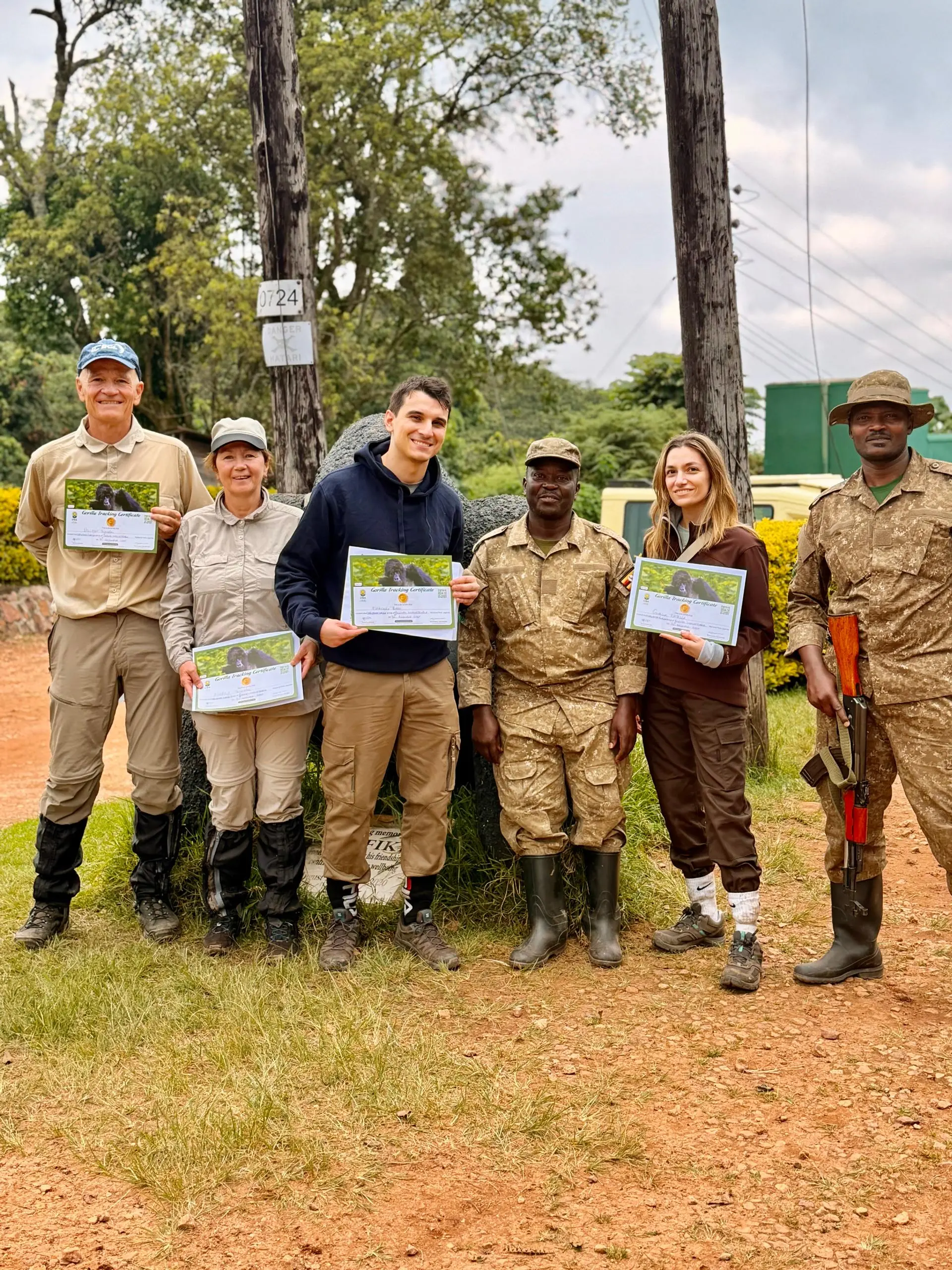
Best Local Guides for Uganda Gorilla Trekking
Uganda gorilla trekking is more than a wildlife activity; it is a once-in-a-lifetime immersion into the forest, behaviour, and conservation. The most important factor behind a great trekking day isn’t only luck or the gorillas’ mood. It is also the quality of the local team that guides you through the experience. A strong local guide helps you navigate the forest safely, understand gorilla behaviour, keep the trek ethical and respectful, and turn an intense encounter into a meaningful memory. This article explores what “best local guides” really means for Uganda gorilla trekking, what qualities to look for, how to judge guide professionalism before you book, and how to ensure your guide supports conservation priorities. Whether you are trekking in Bwindi Impenetrable National Park or Mgahinga Gorilla National Park, these principles will help you choose wisely.
Why Local Guides Are Essential in Gorilla Trekking
Gorilla trekking is physically demanding, but it is also unpredictable. The gorillas’ location can change after feeding and movement; weather can shift visibility and trail conditions; and forest terrain can challenge even experienced hikers.
Safety and navigation: Forest routes are not simple paths on a map. Guides understand where to step, how to manage slippery ground, and when to slow down.
Gorilla behaviour reading: A good guide can interpret cues like movement patterns, the soundscape of the forest, and what certain behaviours might mean for your proximity.
Ethical distance management: Uganda’s gorilla trekking rules require respectful viewing and careful spacing. Guides ensure you remain within allowed distances and follow park instructions.
A better overall experience: The best guides don’t just “get you there.” They help you understand what you’re seeing: feeding, social interactions, communication calls, and troop dynamics.
Key Qualities of the Best Local Gorilla Trekking Guides
Not every guide is the same. Some are excellent conservation communicators and skilled trackers; others may be less confident in the field. When searching for the best local guides for Uganda gorilla trekking, focus on the following qualities:
Proven tracking skills and confident forest navigation
Look for guides who are known for successfully helping trekkers reach their gorilla group within the trek time window. Forest tracking is practical work, including reading signs, anticipating movement, and choosing a safe route. They explain how tracking works and what causes delays. They describe how they interpret forest clues. Their instructions feel clear and calm rather than rushed.
Strong knowledge of gorillas and the ecosystem
The best guides can explain how gorilla troops behave (feeding, resting, movement), social roles within the group, common Mountain Gorilla behaviours you might see when you first arrive, and the importance of habituation and visitor rules. Even if you already know gorilla facts, a knowledgeable guide connects the science to what’s happening in front of you. They answer questions in a way that shows familiarity with real experiences. They can point out environmental details: plants, birds, and signs that relate to gorillas’ world.
Professionalism and respect for park rules
Gorilla trekking is highly regulated. Your guide must enforce rules such as:
- Maintaining the required distance
- Keeping noise to a minimum
- Ensuring you follow instructions from rangers
- Avoiding any behaviour that might stress the animals
A professional guide makes sure you don’t treat gorillas like a “photo prop.” They emphasise etiquette before you begin. They discourage dangerous or disrespectful photo practices. Local Guides coordinate smoothly with rangers.
Communication style that matches your comfort level
Some trekkers want detailed explanations; others want a quiet, immersive trek. The best guides adapt. They check whether you’re comfortable with the pace and rest breaks. They guide you gently through challenging stretches. Guides don’t blame trekkers for delays; they treat the trek as a partnership.
A culture of conservation and community pride
In Uganda, many local guides come from communities living near national parks. The best guides connect visitors to conservation goals; why gorilla trekking supports protection, employment, and community programs. They speak about conservation with sincerity. They encourage responsible behaviour (leave no trace, follow ranger guidance, respect the forest).
How to Choose the Best Local Guides Before Booking
The biggest mistake travellers make is booking based only on price or itinerary. A gorilla trek is too important to treat as generic tourism.
Ask which gorilla group you’re trekking and how guides are assigned
Your operator may assign you based on availability. Ask:
- Do you know which gorilla family you’ll trek?
- Are guides assigned to specific families or sectors?
- Who will be your ranger and guide for the trek?
If the operator can’t answer clearly, that can be a warning sign.
Ask about the guide’s qualifications and experience.
You might not need every document, but you can ask targeted questions like:
- How long have your guides worked on gorilla treks?
- How often do they guide trekkers to successful gorilla sightings?
- Are your guides trained in safety and communication?
A good operator should be able to explain their process.
Look for operators that emphasise conservation and ethics
The best guides work in organisations that care about quality and responsible tourism. Watch for operators that:
- Explain rules clearly before the trek
- Discourage loud behaviour and rushed photography
- Communicate clearly about clothing and preparation
- Emphasise community and conservation
A careless operator often signals weak field management, which can trickle down to guide performance.
Final Thoughts
The best local guides for Uganda gorilla trekking are not only talented trackers. They are interpreters of the forest and guardians of the rules that protect gorillas and ensure visitor safety. They make the trek educational, not just exciting; ethical, not exploitative; and memorable, not chaotic. When you choose a great guide, you’ll feel it immediately; through calm leadership, thoughtful explanations, and a sense that you and the gorillas are sharing the moment without disruption. That is the true luxury of gorilla trekking in Uganda.