Bigogwe Cows Tour in Rwanda
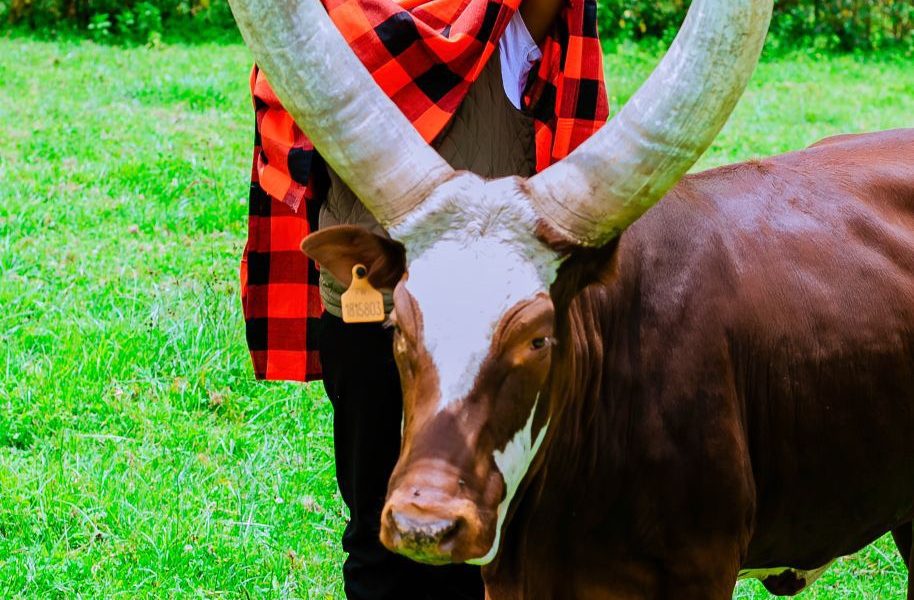
Rwanda is celebrated for its breathtaking landscapes, wildlife, and resilient communities. But beyond the well-known highlights, the country offers something quieter, and arguably more memorable: experiences that connect visitors with local livelihoods. One such experience is the Bigogwe Cows Tour, a community-based activity that centres on cattle husbandry, traditional farming practices, and the everyday knowledge that sustains rural Rwanda.
If you’re looking for more than a standard Rwanda Cultural tour, and if you want to understand how people live, work, and care for their families, then a Bigogwe Cows Tour is an excellent place to start. It blends culture, agriculture, and hospitality in a way that feels both educational and respectful. It’s also a reminder that “tourism” can mean collaboration rather than extraction: visitors learn, locals guide, and the benefits can support communities directly.
Where does Bigogwe Cows Tour Take Place?
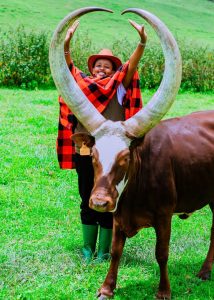
The Bigogwe Cows Tour in Rwanda takes visitors to rural areas where cattle are a central part of agricultural life. While Rwanda’s famous attractions draw travelers from all over the world, rural districts offer a different rhythm, one shaped by seasons, livestock needs, and the daily responsibilities of farming households. In these communities, cows aren’t merely animals; they are part of a wider system of food production, income, and traditional practices.
The tour is associated with the Bigogwe area, which is known for its agricultural activity and strong community ties. Travellers typically visit local farms with the support of guides who can explain the background of cattle rearing and the role of livestock in household economies. The experience is designed to feel hands-on without being intrusive, an approach that helps visitors appreciate the work behind the scenes.
Why Cows Matter in Rwandan Rural Life
In many rural communities worldwide, cows are valued for milk and manure. In Rwanda, that value extends further. Cattle contribute to:
Nutrition and dairy production: Milk can support family consumption and local markets when production and distribution are available.
Farming support: Manure improves soil fertility, which can boost crop yields.
Economic resilience: Livestock can provide a financial buffer through sale or exchange.
Cultural knowledge: Raising animals involves skills passed down through generations—how to feed, observe health, manage grazing, and respond to seasons.
The Bigogwe Cows Tour highlights these realities. Instead of presenting cattle husbandry as a distant “farm theme,” the tour shows it as an integrated lifestyle, where every task matters and where knowledge is embodied in daily routines.
What to Expect on a Bigogwe Cows Tour
Tours differ depending on the organiser and the season, but most Bigogwe Cows Tour experiences share core elements: guided interaction, farm activities, and storytelling from local hosts.
Meeting Your Guides and Hosts
The experience often begins with a warm welcome. Guides explain the purpose of the tour and help set expectations: what visitors will do, what they should observe, and how to approach the farm respectfully. This introduction is important because it frames the visit as learning and participation, not just “looking.”
Understanding Cattle Breeds and Keeping Practices
A significant portion of the tour usually focuses on how cattle are kept. Visitors may learn about:
- How cows are housed or managed.
- basic feeding practices,
- how herders monitor animals,
- and how farmers prepare for seasonal changes.
Guides may also describe common challenges such as the availability of pasture, health care needs, and the labour involved in tending animals. This helps visitors understand that cattle husbandry is not only a tradition, it’s also ongoing problem-solving.
Seeing Daily Farm Routines
A cattle farm is busiest at certain times of day. During the tour, visitors may witness daily routines such as cleaning, feeding, and observation. These moments make the experience feel grounded and real. You see that maintaining livestock requires time and consistency, not shortcuts.
Often, visitors learn how farmers balance cattle care with crop farming. In rural households, responsibilities are interconnected. While one task supports another, every decision influences the farm’s ability to thrive.
Learning About Manure Use and Soil Fertility
In many agricultural systems, manure is both waste and a resource. The Bigogwe Cows Tour commonly includes an explanation of how manure supports soil fertility. Visitors may observe how it is collected and how farmers incorporate it into land management.
This part of the tour can be particularly interesting because it connects livestock to crop production. The lesson is clear: the farm works like a cycle, where one form of “output” becomes the input for something else.
Cultural Storytelling and Community Connection
One of the most powerful aspects of a Bigogwe Cows Tour is the human dimension. Hosts often share stories about their families, what it means to raise cattle, and how rural life has evolved. These conversations can help visitors appreciate the values behind the work, patience, stewardship, collaboration, and pride.
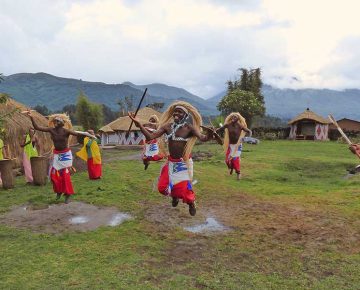
Some Rwanda tours may also include small cultural elements such as local greetings or explanations of everyday life in the household. Even when the schedule is mostly farm-based, storytelling brings the experience beyond agriculture into community understanding.
The Educational Value: Learning Beyond the Surface
A Bigogwe Cows Tour is educational in a way that goes deeper than facts. It teaches visitors about systems: how farmers use resources, manage risks, and sustain productivity. It also challenges simplified views of rural life.
Instead of imagining farming as a static tradition, visitors see it as dynamic. Livestock care requires observation and adaptation. Farming decisions depend on weather, feed availability, and health conditions. Understanding these factors builds respect for farmers’ expertise.
For travelers who want to do “responsible tourism,” the tour’s structure matters. When visits are guided by locals and shaped around real livelihoods, visitors gain insight without turning people into props. It becomes a relationship rather than a performance.
When to Visit: Seasons and Practical Considerations
Rwanda’s agricultural calendar influences farm activity. While the tour can be available in many periods, weather conditions affect the comfort and what you’ll see. Visiting during times when farms are actively managing feeding, grazing, or soil preparation can make the experience especially informative.
Rainy periods may make paths muddy and some activities less accessible, but they also show how farmers adapt. Dry seasons may offer clearer ground and more visibility into routine work.
Your best choice depends on your preferences: do you want comfort and dry walking, or are you curious to see how farmers manage during more challenging weather?
Leaving With a New Perspective
When you finish a Bigogwe Cows Tour, you may notice that the most significant memories aren’t the sights of the farm alone, but the understanding you gained. You come away with a new appreciation for what it takes to sustain rural life and for the wisdom embedded in daily work.
Cattle husbandry in Rwanda isn’t simply an economic activity. It’s a relationship with land, animals, seasons, and community. By sharing that relationship with visitors, the Bigogwe Cows Tour in Rwanda turns travel into learning, and learning into respect.
Conclusion
The Bigogwe Cows Tour in Rwanda stands out as a meaningful alternative to conventional tourism. It’s grounded in agriculture, enriched by community storytelling, and designed to help visitors understand the importance of livestock in rural livelihoods. Whether you’re a curious traveler, a photography enthusiast who wants to learn responsibly, or someone who values cultural experiences with substance, this tour offers an encounter that feels both educational and human.
In a world where many travel experiences can be quick and superficial, the Bigogwe Cows Tour invites you to slow down. Step into a farm life shaped by care and knowledge. And leave Rwanda with a deeper understanding of how communities thrive, one cow, one field, and one season at a time.