Buhoma Gorilla Trekking
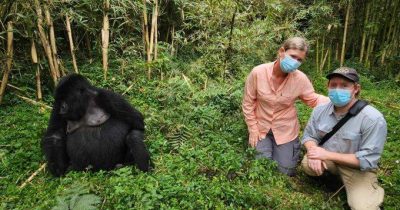
Buhoma gorilla trekking sector in Bwindi Impenetrable National Park is one of the must-visit places for anyone fascinated by the endangered mountain gorillas and interested in enjoying face-to-face encounters with them. Bwindi Impenetrable National Park is home to almost half the World’s population of these majestic Giant Apes, and by far the best place to see them is on a gorilla safari. Now the excitement comes from learning about their human-like behaviour (considering they share 98.2% DNA with humans) and photographing them in their natural habitat.
If you’re looking for a gorilla trekking experience, you can go to almost any of the four trekking sectors/regions (Buhoma, Nkuringo, Rushaga, and Ruhija). But the Buhoma sector, in the Northern part, remains an iconic gorilla trekking draw card.
Mountain gorillas thrive in Bwindi Impenetrable National Park, particularly in the Buhoma sector. This is the park’s most frequented area. You will encounter them during on-foot gorilla treks through the jungles. While fully habituated mountain gorillas are likely to be seen, it is still possible to miss them. Prepare to be mesmerised by the sight of baby gorillas playing alongside imposing silverbacks amidst dense vegetation, observing gorilla mothers gently nurturing their young, or witnessing dominant silverbacks exhibit their authority and strength. These experiences are unforgettable highlights of your Buhoma gorilla trekking adventure.
Habituated Families visited during the Buhoma Gorilla Trekking.
There are presently five habituated families of mountain gorillas that can be visited during Buhoma gorilla trekking: Mubare, Habinyanja, Rushegura, Muyambi, and Katwe.
Mubare Gorilla Family
Habituated in 1993, Mubare is the oldest gorilla family not only in Buhoma but in Bwindi Impenetrable National Park. Its founding leader was Silverback Ruhondeza. He lost his life in June 2012, leaving leadership to his older surviving son, Silverback Kanyonyi. However, a solitary silverback named Maraya attacked the family, leading to the untimely murder of Kanyonyi, and hence became the next leader.
The reason Kanyonyi was defeated was because of his frailty. Silverback Maraya currently leads the family. He followed a fall from a high tree and subsequent inquiries. Maraya currently leads the group, which consists of 7 members, including three adult females, one juvenile, and two infants.
Habinyanja Gorilla Family
The Habituation process of this gorilla family began in 1996, and 6 years later, the group broke into two, hence leading to the formation of the Rushegura gorilla family. This family derived its name from a local word, “Nyanja”, meaning “a place of water”. This is because its members were first sighted close to a swamp, hence the name. Led by Silverback Makara, this gorilla family is made up of 13 members that include another silverback, four adult females, two sub-adult males, four blackbacks, and one infant.
Rushegura Gorilla Family
Formed in February 2002 following a split from the parent family, the Habinyanja Rushegura gorilla family is currently led by silverback Kabukojo. This family’s name was derived from a tree species locally known as “Ebishegura.” The split occurred in an area with these trees. This gorilla family is known for foraging around the Buhoma Park Headquarters, visiting village gardens, and sometimes lodges, especially Bwindi Lodge. There are presently 16 members in the family, including two silverbacks, five adult females, one sub-adult female, two blackbacks, two sub-adult males, and four infants.
Muyambi Gorilla Family
Led by silverback Muyambi, this gorilla family was founded in 2019 following the split from Mubare. Silverback Muyambi took with him four adult females to start his family. Currently, seven members include one silverback, four adult females, and two infants.
Katwe Gorilla Family
Close observation of the Katwe Gorilla Family began in January 2018 after the death of Silverback Kanyonyi of the Mubare family in November 2017. This untimely death led to the separation of the members to unknown locations. However, it was discovered that some of its members had joined the Katwe family, and it was from this point that habituation began, involving close observation of both the habituated members and the new ones in Katwe. This family derived its name from the hilltop area where habituation began. Currently, the family consists of eight members, including two silverbacks (Silverback Mahaane being the leader), three adult females, one blackback, and two infants.
Accommodation options for Buhoma Gorilla Trekking
The accommodation options for Buhoma gorilla trekking safaris in the Northern sector are either within the Park or in the surrounding areas. Most of the Lodges/Camps pride themselves on commanding breathtaking views of Bwindi Impenetrable Forest and occasional visits from the mountain gorillas. Once you’ve spent quality time with the Giant Apes, it is time to enjoy unforgettable stays at Buhoma Lodge, Volcanoes Bwindi Lodge, Sanctuary Gorilla Forest Camp, Silverback Lodge, and Mahogany Springs Lodge.
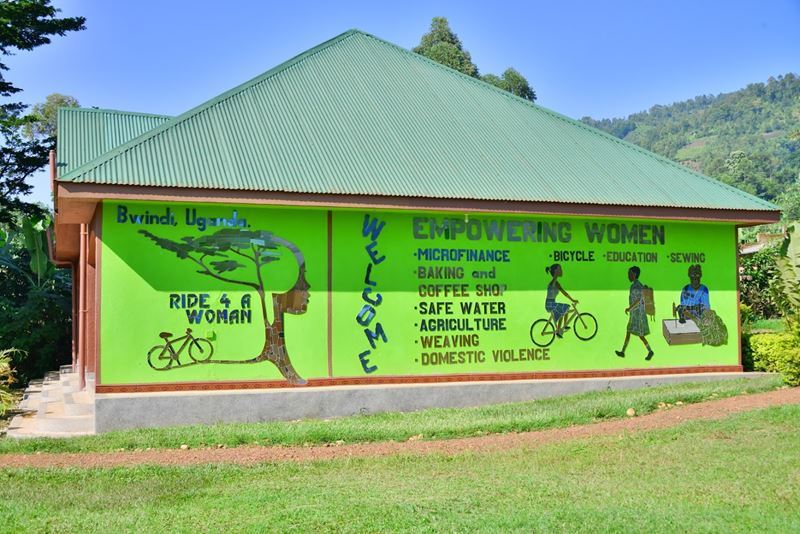
Other options include Engagi Lodge, Ride 4 a woman Guesthouse, Trackers Safari Lodge, Gorilla Bluff Lodge, and many others.
Best time to go for Buhoma Gorilla Trekking
The Buhoma sector and all other areas of Bwindi Impenetrable National Park are open all year round. However, there’s something delightful about each season. However, the dry season (June to September and December to February) is perfect. Rain showers are still lower, and forest trails are easier to explore when searching for the Giant Apes.
The rains are heavier during the wet seasons – March to May and October to November – which makes forest trails muddy and slippery to explore while searching for the mountain gorillas. While it is more challenging to walk through the forest during this time, several advantages include fewer crowds along the trails and cheaper gorilla tours (as many lodges offer discounted prices).
What to pack for Buhoma Gorilla Trekking
The Buhoma sector of Bwindi Impenetrable National Park is located near the Equator, and the average rainfall is typically between 1,400 and 1,900 mm. Considering the rapid weather changes, it is essential always to be prepared for your Buhoma gorilla trekking tour.
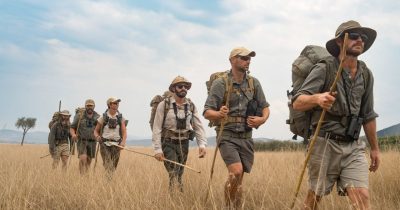
For this reason, we recommend packing long sleeve shirts and pants, sturdy hiking boots and long socks, a lightweight rain jacket, gardening gloves, a hat, and sunglasses. You will also need toiletries (lotion, hair comb/brush, toothpaste and toothbrush, and hand sanitiser), a waterproof sunscreen, an insect repellent, a pair of binoculars, a backpack, a good camera, and an extra memory card, among other essentials.
How do I get to Buhoma for gorilla trekking?
There are two primary transportation methods for reaching the Buhoma sector of Bwindi Impenetrable National Park.
For the Buhoma sector, access is via daily scheduled flights operated by Aerolink from Entebbe International Airport to Kihihi Airstrip, followed by a two-hour road transfer from the Airstrip to the Lodge/or the sector.
You can also reach the Buhoma sector of Bwindi from the Ugandan Capital, Kampala—a 480-kilometre journey via the Towns of Mbarara, Ntungamo, Rukungiri, and Kihihi. If coming via Public transport from Kampala, take a bus to Kanungu, then catch a cab or boda boda taxi from Kanungu to Buhoma.
If driving yourself, you will need a 4X4 Safari vehicle. Also, please be prepared for rough roads, especially when connecting to the park. You can also connect to the Buhoma sector from Queen Elizabeth National Park, connecting via the Ishasha sector in a 3-4-hour drive from the Northern part of Queen Elizabeth Park.