
Chances of Seeing Golden Monkeys in Volcanoes National Park
Volcanoes National Park in Rwanda is famous for gorillas, but it is also a place where rare beauty, especially golden monkeys, can capture the imagination of travellers. If you are planning a trip to Rwanda and wondering about your odds, the honest answer is that golden monkey sightings are possible, but never guaranteed. Your chance of seeing them depends on a mix of location, timing, luck, and how the park’s guiding and habituation system aligns with your visit.
This article breaks down what “chances” really mean in Volcanoes National Park, where golden monkeys are most likely to be encountered, what time of year can improve odds, what factors influence sightings, and how to plan a trip that maximises your probability.
Understanding Golden Monkeys and Why Sightings Vary
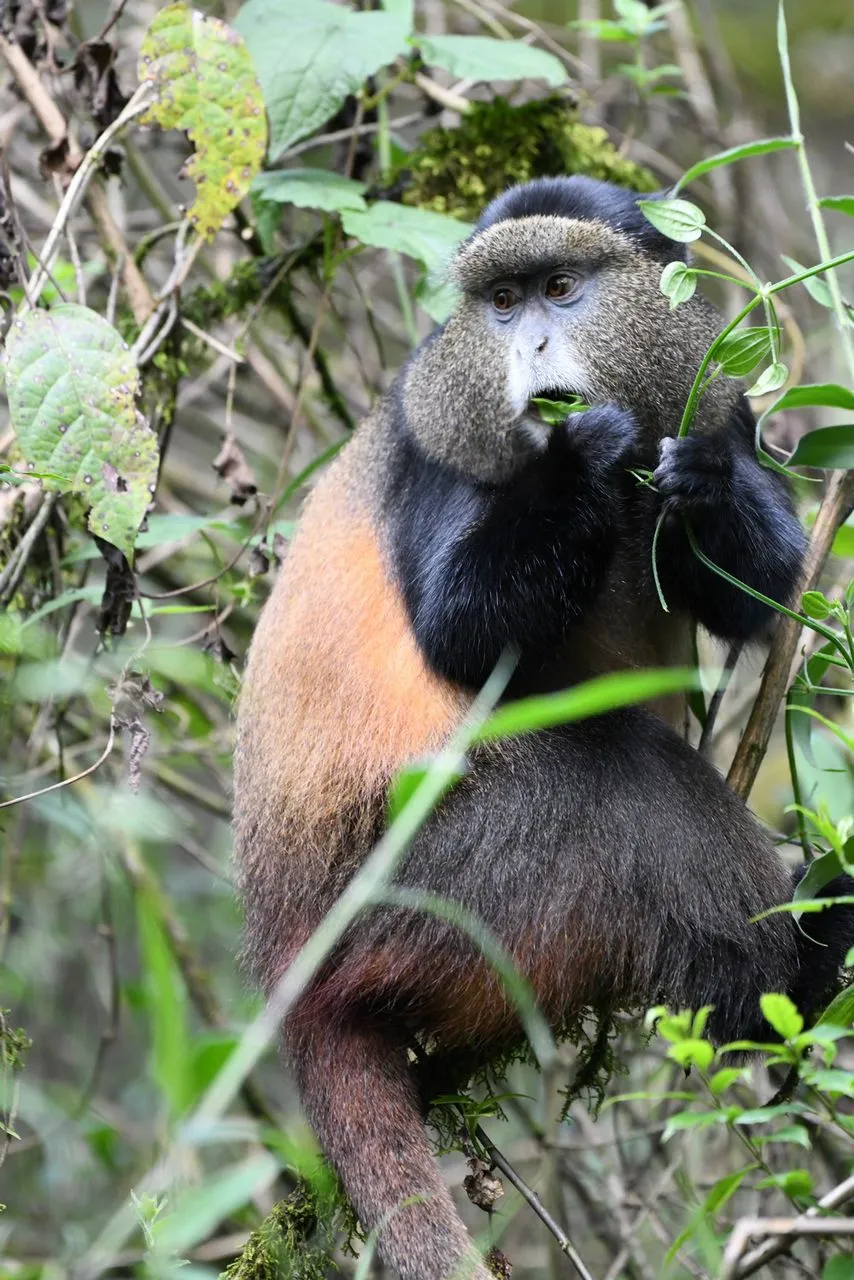
Golden monkeys are small, fast-moving primates with striking golden-orange fur and black facial markings. In Volcanoes National Park, they are often associated with montane forest habitats, where vegetation is dense enough to provide food and cover while still allowing primates to travel and forage.
Unlike gorillas, where trekkers visit a specific gorilla group that has a predictable daily routine, golden monkeys can be more difficult to track. They can move through the forest in a way that makes them harder to locate at any given moment, and they may be spread across areas based on food availability, weather, and daily movement patterns.
Even when golden monkeys are “in the area,” a sighting can still depend on whether you happen to reach them first, whether they are actively feeding at the time your guide spots signs, and how dense the surrounding vegetation is.
Where Golden Monkeys Are Likely to Be Seen
Within Volcanoes National Park, golden monkeys are primarily associated with forest zones that connect to highland habitats. The best chances usually come when your activity is designed specifically for primate tracking in the park’s suitable sectors.
There isn’t one “monkey viewing spot” like a lookout tower; instead, it is more like navigating a living forest system where primates forage and shift their position. Your guide’s ability to interpret cues, such as recent movement, feeding evidence, and vocalisations, can greatly influence your odds.
Because the park’s geography and trail access can be complicated for first-time visitors, the most practical approach is to ask your operator or park staff which sector your golden monkey encounter will start from and what the typical route looks like.
Best Time of Day for Improving Your Odds
Golden monkeys tend to be most detectable when their daily activity makes them less hidden and more actively moving through areas where your guides can find them. While behaviour can change day to day, many wildlife-viewing contexts benefit from early starts, when the forest is quieter, and animals are more active in the morning. Additionally, periods with stable visibility, when mist or heavy rain doesn’t obscure the trail or reduce how quickly guides can locate groups.
In practice, many visitors begin golden monkey activities early to increase the likelihood of effective tracking before weather conditions worsen and before the monkeys become harder to locate.
Weather and Seasonal Effects on Sightings
Volcanoes National Park sits in a region where the weather can shift quickly. Clouds, mist, and rainfall can affect your visibility (you may not see far through the canopy or fog), and monkey movement (animals may alter foraging routes during wet or windy conditions).
Seasonality matters because food availability and forest microclimates can change across the year. In general, travellers often notice that during periods when rainfall is lighter or when mornings clear quickly, tracking can feel smoother. During heavy rainy periods, visibility and trail conditions may reduce the speed at which guides can locate primates.
That said, golden monkeys can still be seen during rainy stretches, especially if your guide finds fresh signs. The “chance” may shift from “good” to “uncertain,” but sightings remain possible.
Your Group’s Size and Booking Logistics
Golden monkey encounters are not the same as large-safari style drives. They are typically more controlled experiences, and park rules may limit the number of visitors in certain areas at certain times. Whether the monkeys are already moving between areas that are shared by multiple groups, your group’s ability to move efficiently (golden monkeys are not slow; you may need to follow trail directions carefully and stay close to your guide). Smaller, well-organised groups can sometimes lead to better outcomes because you can move quickly without delays and keep closer contact with what guides observe.
Book with operators that emphasise primate tracking expertise, not just generic “park tours.” Ask how they manage timing, guide quality, and expectations. One reliable example is Native Africa Tours.
Habituation and How Fast the Guide Finds Them
One of the biggest drivers of whether visitors see golden monkeys is the reliability of tracking at that moment.
Guides often work using a combination of known travel patterns, signs left behind, and on-the-spot observation of vocalisations or activity in nearby vegetation.
If you are fortunate, meaning the golden monkeys are relatively close to where you start, actively feeding, or moving into an area your guide can reach quickly, you may have a smooth encounter.
If they are farther away, less active, or tucked deep into dense foliage, tracking may take longer. Sometimes a group may not locate monkeys at all in a given timeframe, not because monkeys are absent from the park entirely, but because the day’s conditions and movement mean you don’t intersect with them. This is why no one can responsibly promise “you will see them.” Even the park’s best systems can’t control where monkeys move.
How to Maximise Your Probability of Seeing Golden Monkeys in Volcanoes National Park
Choose your timing strategically: Aim for a period when the weather is typically manageable and mornings start clear. If you have flexibility, schedule golden monkey tracking on a day you expect stable conditions.
Start early: Prioritise morning slots when tracking often becomes more efficient.
Stay prepared physically and mentally: The forest can be uneven. If you move slowly or frequently fall behind, it becomes harder for your guide to coordinate tracking. Listen closely, follow instructions, and stay calm if tracking takes longer than expected.
Pack for forest conditions: Rain can happen unexpectedly. A lightweight rain layer, sturdy footwear, and insect protection can make you more comfortable while you wait and move.
Manage expectations: Even with the best planning, you may not spot monkeys every single day. The best mindset is “maximise odds and enjoy the process,” because the forest journey itself can be rewarding.
Alternatives if You Don’t See Golden Monkeys
Because sightings are uncertain, it is wise to plan your trip with flexibility. If your golden monkey encounter doesn’t happen as expected, you may still enjoy other wildlife highlights. Consider booking other tracking activities, such as gorilla trekking in Volcanoes (if available and prioritised for your itinerary). Spend additional time in areas where other primates and forest wildlife can be observed. Ask your operator about contingency plans if monkeys aren’t found; some programs may provide options depending on availability and park policies.
Conclusion
Your chances of seeing golden monkeys in Volcanoes National Park are good enough to plan around, but they should be treated as probabilistic, not guaranteed. The most reliable predictors are not internet rumours or fixed promises, but rather practical factors. If you approach the experience with realistic expectations while still taking steps to maximise your odds, you’ll be more likely to enjoy the day, whether the monkeys appear quickly or the forest keeps you waiting.
In the end, golden monkeys are not only a destination; they are also a reminder that wildlife viewing is a partnership with nature. Your job is to be prepared, patient, and respectful. Nature’s job is to decide what you’ll witness.