Gorilla Trekking during the Rainy Season vs. Dry Season
Gorilla trekking is one of the most thrilling wildlife experiences you can have. Engaging with these magnificent primates in their natural habitat not only fosters appreciation for wildlife but also sheds light on vital conservation efforts. However, the experience can be significantly different depending on the season you choose to embark on your adventure. This article explores the nuances of gorilla trekking during the rainy season compared to the dry season.
Dry Season
The dry season typically runs from June to September and December to February in countries like Uganda and Rwanda, renowned for their mountain gorilla populations. During this time, rainfall is limited, leading to relatively stable weather, easier trekking conditions, and more predictable wildlife activity.
Rainy Season
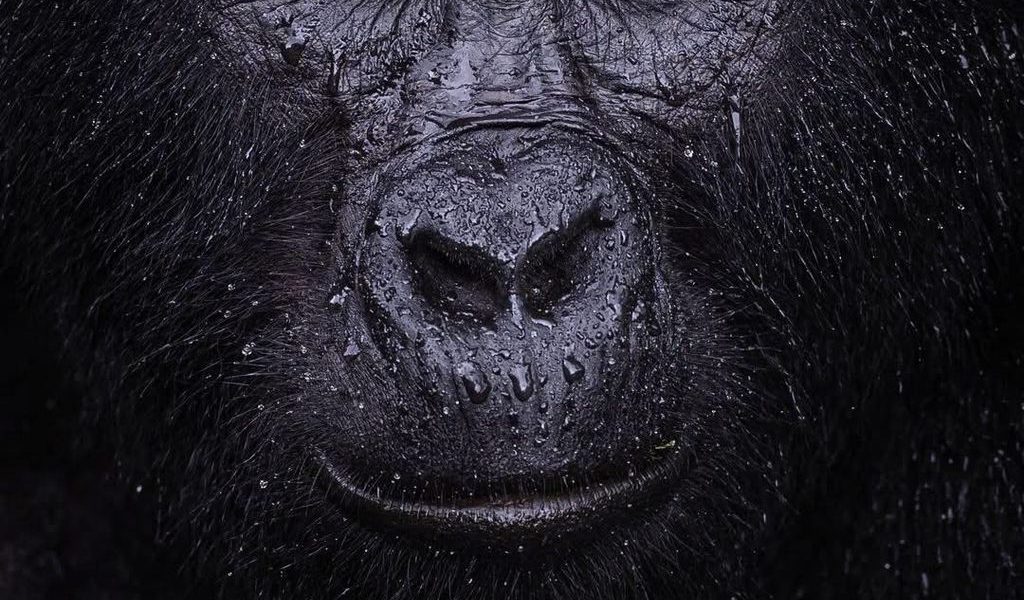
Conversely, the rainy season occurs from March to May and October to November. While this period may deter some due to potential downpours, it offers its own unique advantages, including vibrant landscapes, fewer tourists, and a more intimate experience with nature.
How are trekking conditions like in both seasons?
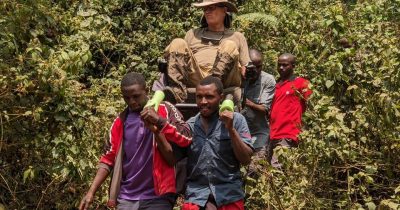
Dry conditions mean drier trails, making it easier for trekkers to navigate through the dense forests. The risk of slipping or getting stuck in mud is reduced, allowing for a more straightforward trekking experience. The foliage tends to recede slightly during the dry season, providing improved visibility of wildlife, including the elusive gorillas. With less rain, trekkers are less likely to face sudden weather changes, allowing for a more enjoyable and planned trekking experience.
The primary challenge of trekking during the rainy season is muddy and slippery trails. Portions of the paths can become treacherous, requiring careful navigation and sometimes leading to delayed treks. Rain can be sudden and heavy, leading to potential cancellations or shorter treks. Additionally, heavy rains can obscure visibility and make tracking the gorillas challenging. Due to muddy paths and potential obstacles, treks during the rainy season may take longer, requiring trekkers to be prepared for extended periods in the rainforest.
Wildlife and Scenery
The dry season often results in less foliage, making wildlife more visible. Gorillas may congregate around limited water sources, thus increasing the chances of sightings. Dry conditions tend to clear the air, allowing for stunning panoramic views of the mountainous landscapes of Rwanda and Uganda. The clear skies can make photography particularly rewarding.
The rainy season brings a burst of life to the rainforests, resulting in vibrant flora and fauna. The greenery is lush, providing a stark contrast to the drier months and a beautiful backdrop for trekking.
Many people shy away from the rain, leading to less crowded treks. This can enhance the experience, as trekkers can savour the scenery and sounds of the forest without the bustle of large groups. The rainy season sees increased activity among various species, as animals emerge to forage and play. Trekkers may experience more diverse wildlife encounters beyond gorillas, including various primates, birds, and reptiles.
Gorillas and Behaviour
During the dry months, gorillas behaviorally adapt to the scarcity of water and food. They may travel longer distances to forage, making them somewhat predictably available near certain water sources. This means trekkers may have an easier time locating them.
During the rainy season, the gorillas adjust their foraging strategies. The abundance of food often keeps them in the same general area for longer periods, which can make tracking easier despite the challenging conditions. The active foraging can also result in fascinating interactions among group members, offering trekkers unique viewing opportunities.
Preparation and Gear
In the dry season, lightweight, breathable fabrics are advisable as temperatures can be warmer. Lightweight long sleeves and durable hiking pants can protect against the sun and insects. Sturdy hiking boots with good grip are essential, but they can be less specialized compared to those needed for the rainy season.
In the rainy months, waterproof jackets and pants are crucial. It is wise to invest in high-quality, breathable rain gear to stay comfortable during downpours. Trekking in the rain requires specialized waterproof boots with good traction, as muddy conditions can lead to slips and falls. Temperatures can drop during rain, so having additional layers can keep trekkers warm and comfortable.
Gorilla Trekking Experience
Trekking in the dry season can feel more relaxed, with less environmental stress from weather conditions. The trek can be focused on the thrill of locating the gorillas, enjoying better visibility, and less physical fatigue from navigating slippery terrain.
While trekking during the rainy season may be physically more challenging, it can also feel more rewarding. The vibrant ecosystems and the tranquillity of fewer tourists usher in a more intimate connection with nature. The less predictable elements can make each trek a unique adventure, solidifying memories that are often cherished long after the journey ends.
Costs and Booking
Both seasons have varying price points. Gorilla trekking permits are generally the same year-round. The dry season typically sees higher tourist numbers, often leading to increased prices for accommodation and tours. It is advisable to book permits and accommodations well in advance to secure your spot in popular trekking regions.
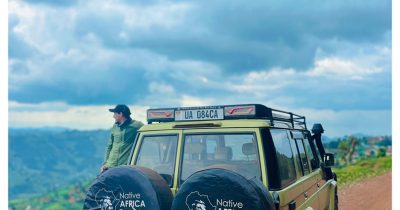
Some tour operators, like Native Africa Tours, offer discounts during the rainy season to attract visitors. With lesser demand, last-minute deals can often be found, providing more flexibility for spontaneous travellers.
Conclusion
Whether you choose to trek during the rainy season or the dry season, gorilla trekking remains an unforgettable experience. Each season presents its unique advantages and challenges. The dry season offers predictability, ease of trekking, and enhanced visibility, ideal for those seeking a more straightforward trek. On the other hand, the rainy season brings vibrant greenery, fewer tourists, and the thrill of unpredictability, making it equally worth considering.
Ultimately, the choice will depend on personal preferences for adventure, climate tolerances, and expectations for the wildlife experience. Regardless of when you choose to go, the chance to witness the majestic mountain gorillas in their natural habitat is a transcendental experience that will resonate with you forever.