
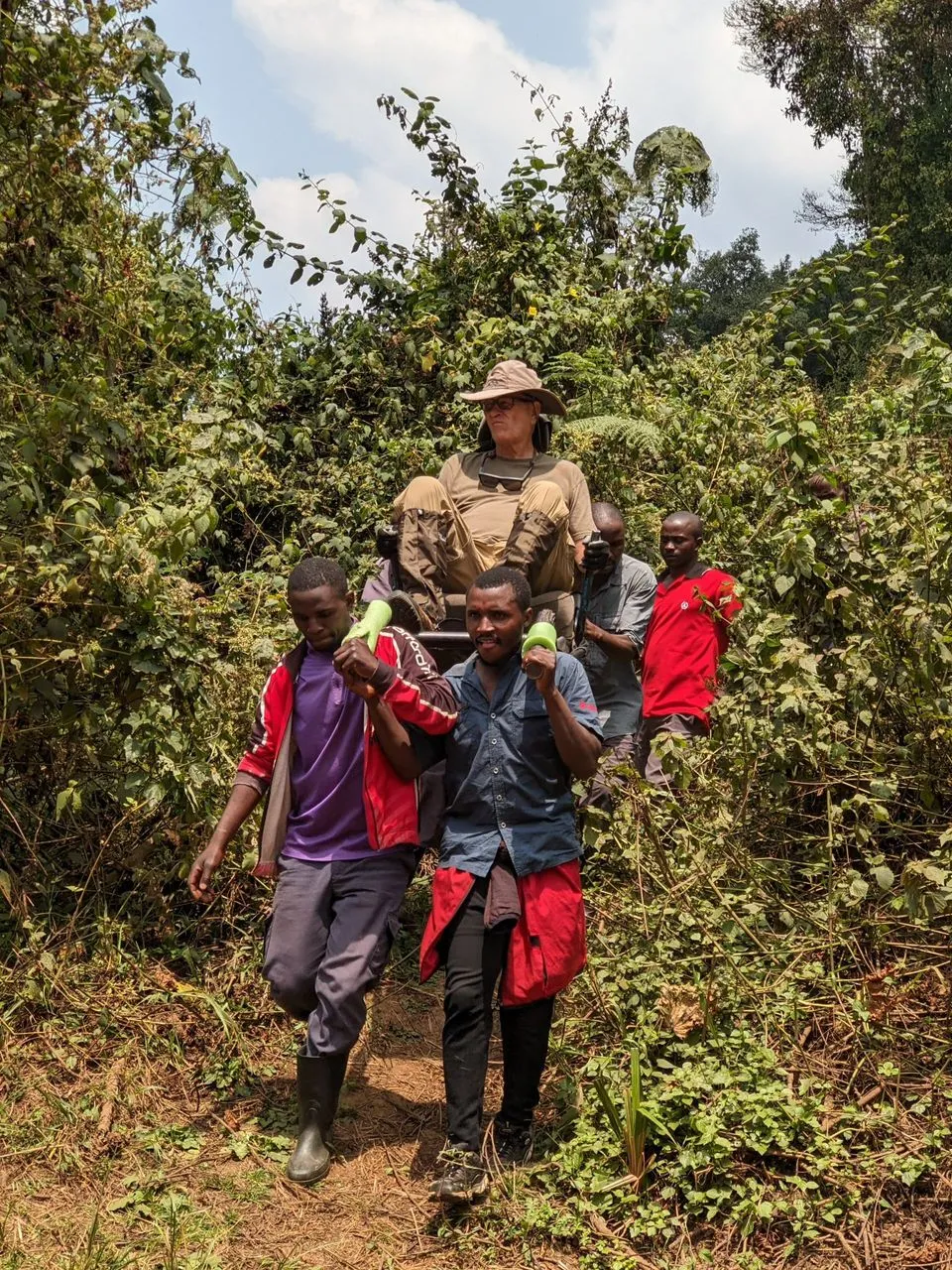
Tracking Gorillas with a Bad Knee
Gorilla trekking is one of the most unforgettable wildlife experiences you can have. The chance to observe these magnificent creatures in their natural habitat draws thousands of travellers to places like Uganda and Rwanda each year. However, if you are someone with a bad knee or mobility issues, you might wonder if this adventure is still within your reach. This article will explore how you can successfully go for tracking gorillas even with a bad knee, along with tips, considerations, and alternatives.

Understanding Gorilla Tracking
Before knowing the specifics, it is essential to understand what gorilla tracking entails. Typically, the experience requires hiking through lush forests, navigating steep hills, and sometimes traversing rough terrain to locate a family of mountain gorillas. The treks can last anywhere from a few hours to a full day, depending on the location of the gorillas and the difficulty of the terrain.
The environments where gorillas reside, such as Bwindi Impenetrable National Park, Mgahinga National Park in Uganda and Volcanoes National Park in Rwanda, are characterized by dense vegetation, muddy trails, and steep inclines. Accessibility can vary from easy paths that are well-maintained to strenuous hikes that demand good physical fitness.
While trekking, you will typically be accompanied by a guide and a small group of fellow trekkers. Upon locating a gorilla family, you will be granted a brief period (usually one hour) to observe these gentle giants up close, which can be a life-changing experience.
Assessing Your Condition
If you have a bad knee, the first step in determining whether you can participate in gorilla tracking is to assess the severity of your condition.
Types of Knee Issues
Various knee problems can affect mobility, including:
- Arthritis: This condition can cause inflammation, stiffness, and pain in the knee joint.
- Tendonitis: Inflammation of the tendons can lead to pain and restricted movement.
- Meniscus Tears: Injuries to the cartilage in the knee can cause pain and instability.
- Osteoarthritis: A degenerative joint disease that can lead to severe pain and limited mobility.
Medical Consultation
Before planning your gorilla trekking trip, consult with a healthcare professional. A thorough evaluation will help determine your mobility limitations and whether trekking is feasible for you. Depending on your particular condition, your doctor may offer advice on management strategies to facilitate your journey.
Preparations for Tracking Gorillas with a Bad Knee
If you decide to go ahead with your plans for gorilla tracking despite knee issues, it is crucial to prepare adequately.
Choose the Right Trekking Group
When booking your trek, look for companies that offer tailored experiences for those with mobility challenges. Companies like Native Africa Tours focus on providing accessible treks and can arrange for the necessary accommodations.
Opt for a Less Strenuous Trek
Some areas offer designated trails that are relatively easy to navigate. While you might not always get to see the most popular gorilla families, you can still have an enriching experience without overly taxing your knee.
Pre-Trek Training
Physical preparation can significantly enhance your experience. Consider engaging in light exercises. Focus on building strength in your legs and core to provide additional support to your knee. Improving balance can help you navigate uneven terrain more effectively. Stretching can help to maintain your range of motion and reduce stiffness.
Use Supportive Gear
Consider wearing a supportive knee brace designed to provide stability and reduce strain. Trekking Poles can assist with balance and reduce the pressure on your knees during the trek. Investing in well-cushioned, supportive hiking boots will make a substantial difference in your trek.
What to Expect on a Gorilla Trekking Session
Understanding what to expect during the trek can help you prepare mentally and physically.
Most treks begin early in the morning, with a briefing from your guides. Your group will typically be small, allowing for personalised attention and pace adjustments based on your needs.
Don’t hesitate to communicate with your guide about your knee issues. Slowing down, taking breaks more frequently, and resting when necessary can significantly enhance your comfort level. Your guide can navigate the terrain while ensuring that you aren’t pushed beyond your limits.
Throughout the trek, pay attention to how you feel. If you start to experience pain or discomfort, inform your guide immediately. It is better to prioritise your safety and well-being over reaching the gorillas at any cost.
Alternatives to Tracking Gorillas in case the bad knee fails you
If you determine that gorilla trekking might not be feasible due to significant knee issues, consider these alternatives that can still offer fascinating experiences:
Gorilla Habituation Experience
Some regions offer gorilla habituation experiences, which involve fewer strenuous hikes, starting with easier trails. This experience also allows for a longer time spent with the gorillas, closer to their daily activities.
Wildlife Viewing Platforms
Instead of trekking, look for lodges that offer wildlife viewing platforms or areas where you can observe animals without extensive hiking. Many lodges near gorilla habitats provide stunning views and even chances to see gorillas from a distance.
Cultural Experiences
Engage in local cultural experiences instead of trekking. Many communities near the national parks offer insightful cultural activities, such as traditional dance performances, workshops on local crafts, and authentic culinary experiences.
Nature Walks
Consider easier nature walks in other parts of the national park, where trails are less demanding. These walks can still provide rich experiences and an opportunity to encounter various wildlife and plants.
Scenic Drives
If mobility is more of a concern, exploring other parts of Uganda by car can allow you to enjoy stunning scenery and wildlife without strenuous activity.
Don’t allow the bad knee fail you; create lasting memories.
Tracking Gorillas is an incredible experience, but it is essential to approach it with caution if you have a bad knee. By adequately preparing, understanding your limitations, and making informed choices, you can still embark on this remarkable journey. Remember, it is about enjoying the experience and connecting with nature in a way that suits your physical capabilities. Whether you decide to trek or explore alternative activities, the beauty of the Ugandan landscape and the warmth of its people will undoubtedly make your visit memorable. With the right planning and support, your dream of tracking gorillas can become a reality, even with a bad knee.