
Hidden Costs to Know Before Your Gorilla Trek in Uganda
Gorilla trekking in Uganda is an exhilarating experience that allows travellers to encounter one of the world’s most endangered species. However, planning a trip to see these magnificent creatures requires more than just securing a permit and booking accommodations. Various hidden costs can add significant expenses to your trip if not properly planned for. Understanding these costs ensures that your adventure is not only memorable but also financially manageable. In this article, we’ll explore the hidden costs of gorilla trekking in Uganda, including permits, accommodations, transport, guide fees, health and safety precautions, and other unexpected expenses travellers should consider.
Gorilla Trekking Permits
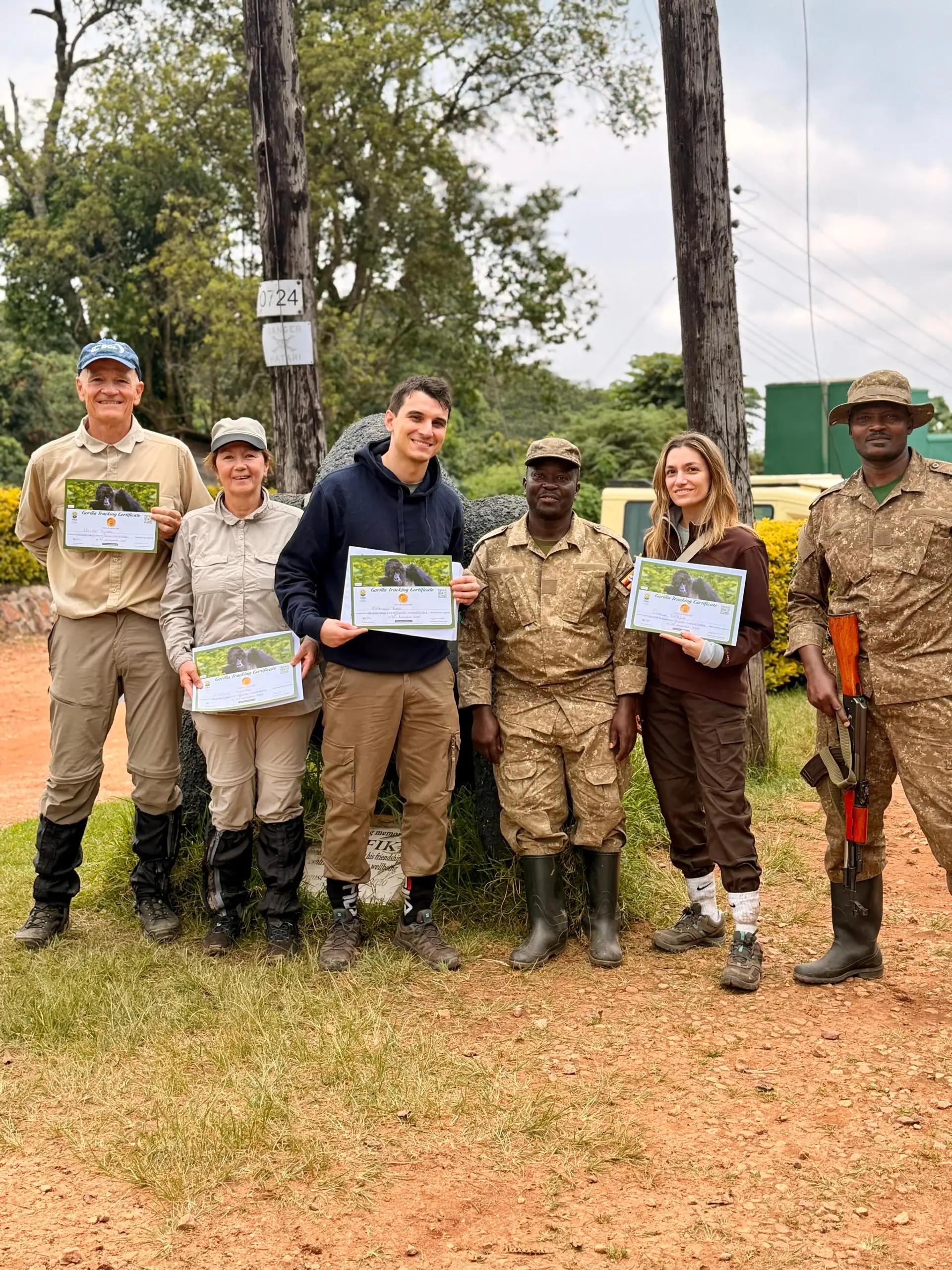
The first and most significant expense for any gorilla trekking adventure is the gorilla trekking permit itself. As of the current rates, a single Gorilla Trekking permit costs $800 per person in Uganda. This fee is vital because it contributes directly to the conservation efforts that protect both the gorillas and their habitat. Additionally, it helps support local communities surrounding the national parks. Permits can sell out quickly, especially during peak seasons (June to September and December to February). Therefore, it is prudent to secure your permits at least several months in advance. The cost of last-minute permits can also fluctuate, often rising due to increased demand.
When booking permits through a tour company, a booking fee may be added to the cost. These fees can vary by agency. It is essential to clarify whether the quoted price includes all associated charges.
Accommodation Costs
Accommodations near the park can vary significantly in price and quality. You can find options ranging from budget hostels to luxurious lodges. While budget options may cost around $50–$100 per night, mid-range lodges can range from $100 to $300, while high-end lodges can exceed $500 per night.
If you are travelling as a family or a group, be mindful that certain lodges offer group rates or family rooms, which can save you money. However, some lodges may charge extra for children, especially during peak seasons. Always verify the costs before booking. In addition to the room rates, some lodges impose additional charges, such as service fees, breakfast fees, and taxes. Always inquire about these hidden costs to avoid surprise charges at checkout.
Transport Fees
Travellers must account for the costs associated with getting to Uganda. Depending on your starting point, the price of international flights can be a significant factor. Booking flights several months in advance can help you find deals, but last-minute fares may be considerably higher.
Upon arrival, you will need to arrange transportation to the trekking locations. Options include hiring a private car, which can range from $100 to $200 per day, or joining a group tour that includes transportation. Be aware of potential fuel surcharges or tolls that may not be included in initial quotes. Reaching the parks, especially Bwindi Impenetrable National Park and Mgahinga Gorilla National Park, often involves a long and bumpy ride. These park transfers can be expensive and add to your overall cost. Always clarify whether park entry fees and transportation to trailheads are included in your package.
Guide Fees
Hiring a knowledgeable local guide is crucial for a successful gorilla trekking experience. While this might be included in your trekking permit, additional fees for private guides or more specialised tours can add up. Private guide fees typically range from $50 to $100 per day.
Many guides rely on trekking as their primary source of income, which makes hiring them extremely beneficial for the local economy. Opting for local guides also enhances your experience, as they provide valuable insights into both the gorillas and the surrounding ecosystem.
Tipping Guidelines
Tipping your guide is customary and expected. A tip of between $10 and $20 is generally considered appropriate, depending on the level of service provided. This additional cost can accumulate, particularly if you have multiple guides throughout your journey.
Health and Safety Expenses
Travelling to Uganda often requires specific vaccinations. Yellow fever vaccination is mandatory, and could cost between $100 and $300 depending on the healthcare provider. Other recommended vaccinations may include hepatitis A and typhoid, which could add to your travel health expenses.
Malaria prophylaxis is crucial for travellers to Uganda. Costs for malaria medications can range from $50 to $200 based on the type and duration of medication prescribed. It is advisable to consult a healthcare provider ahead of your trip for the best course of action.
Comprehensive travel insurance is highly recommended, especially for adventurous activities like gorilla trekking. This can range from $50 to $200 per trip, depending on coverage. Keep in mind that some insurance plans may not cover adventure sports or medical evacuations, so it is essential to read the fine print. To stay prepared for the trek, invest in a basic first-aid kit. Costs can range from $20 to $50, depending on the contents. This should include items like band-aids, antiseptic wipes, pain relievers, and insect repellent.
Additional Expenses during Your Stay
While some lodges offer meal packages that include breakfast, lunch, and dinner, others may charge extra for meals. Dining at local restaurants can also range from $5 to $20 per meal, depending on your choice of cuisine. It is essential to budget for dining expenses, particularly if you plan to dine out regularly.
Bringing back souvenirs can be a delightful way to remember your trip, but it is easy to underestimate how much you will spend on crafts, art, and local products. Set aside a budget, typically around $50 to $100, for purchasing items to support local artisans.
If you plan on using the internet during your stay, note that not all lodges provide free Wi-Fi or reliable service. Some may charge fees for internet access, and purchasing local SIM cards or data packages may also incur additional costs.
While gorilla trekking takes centre stage, Uganda offers additional activities like boat tours, bird watching, cultural encounters, and hiking. Prices for these experiences can vary widely. Budget around $50 to $150 for each activity, depending on complexity and duration.
Contingency Budget
Travel can be unpredictable, and it is wise to set aside a contingency budget ranging from 10% to 20% of your overall trip costs for unforeseen expenses. These may include sudden changes in plans, additional tours, or costs associated with illness or accident.
Currency Exchange Fees
When budgeting, be aware of potential fees related to currency exchange. Using ATMs often incurs additional fees, and exchanging cash can result in unfavourable rates. Consider using a credit card that offers no foreign transaction fees when paying for services.
Conclusion
Gorilla trekking in Uganda is an experience of a lifetime, but it is essential to approach your planning with a keen understanding of the hidden costs that can arise. From the initial permit fees to additional expenses like accommodations, local transportation, and health precautions, it is crucial to have a comprehensive budget in place.
By being aware of these hidden costs, you can better prepare for your trip, ensuring a smoother experience while focusing on the majesty of the gorillas and the beauty of the Ugandan landscape. With thoughtful planning and budgeting, your gorilla trekking adventure can be a rewarding and unforgettable family journey filled with discovery, education, and the wonder of nature.