How Difficult is Gorilla Trekking in Rwanda?
Gorilla trekking in Rwanda is a once-in-a-lifetime opportunity. It enables tourists to observe the magnificent mountain gorillas in their natural habitat. Located in the lush landscapes of Volcanoes National Park, this adventure attracts many wildlife enthusiasts. However, potential trekkers often wonder how physically demanding this experience will be. This article explores how difficult gorilla trekking is in Rwanda. More so, it delves into the various challenges involved and provides valuable tips for an enjoyable trek.
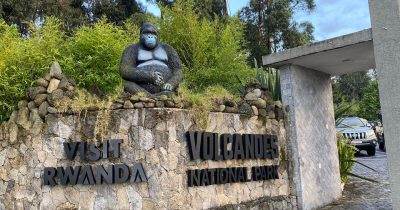
Gorilla trekking is a guided experience that allows you to hike through dense forests to find and observe habituated gorilla families. Rwanda is home to about half of the world’s remaining mountain gorillas, making it a prime destination for this extraordinary adventure.
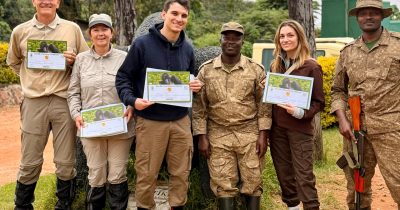
Each trek begins early in the morning with a briefing at the headquarters of Volcanoes National Park. Here, guides provide essential information about the gorillas, safety protocols, and the terrain to expect during the trek. From there, groups of up to eight trekkers set off. They are accompanied by experienced guides and park rangers.
Factors Influencing the Difficulty of Gorilla Trekking in Rwanda
Terrain
The terrain in Volcanoes National Park in Rwanda varies significantly, which impacts the difficult in Gorilla trekking. Some paths lead to substantial elevation changes, requiring good physical conditioning. Trekkers may find themselves ascending or descending steep hills. Dense foliage and undergrowth can hinder movement. Travellers often navigate through thick bushes, which adds to the physical challenge. The rainforest climate means trails can get muddy and slippery, especially during the rainy season. Proper footwear becomes essential in navigating these conditions.
Trekking Duration
The duration of the trek can vary widely depending on the location of the gorillas. Some groups may find the gorillas within a short distance from the park headquarters, while others may need to trek for several hours.
Physical Fitness Required
A reasonable level of physical fitness is recommended for anyone planning a gorilla trek. Good endurance will help you navigate uneven terrain and long hiking sessions. Strong legs are essential for managing steep inclines and declines. Trekking in slippery or uneven conditions requires good balance to prevent falls.
The Experience of Trekking gorillas in Rwanda
Before setting out, trekkers participate in an initial briefing where they learn about the gorillas, safety rules, and the trek itself. This briefing often helps set the stage for the physical challenges ahead. Once groups are assigned, they set off with their guides. The first part of the trek is often filled with excitement and anticipation. The early stages might involve relatively easy walking on wider paths. However, the initial excitement often gives way to the realisation that the terrain will become more challenging as you progress. Everyone has different fitness levels and trekking styles. Some may find the first hour relatively manageable, while others might struggle. It is important not to push too hard in the beginning. Pacing yourself can make a significant difference in endurance.
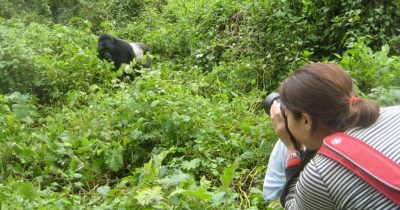
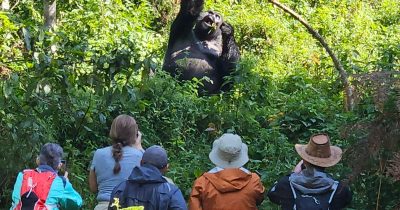
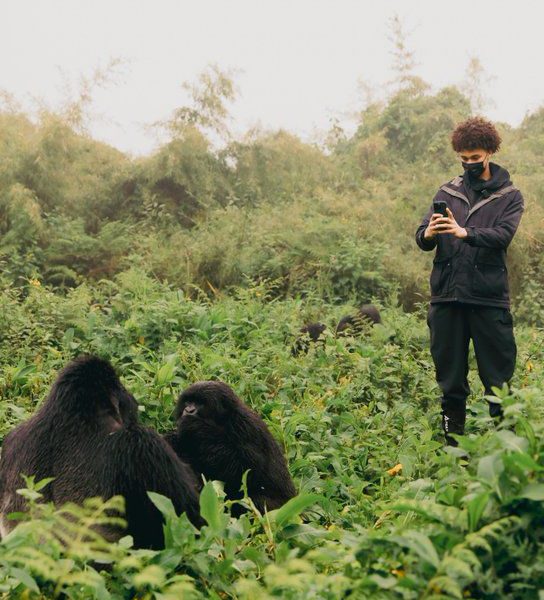
While trekking, you may encounter various flora and fauna, adding to the experience. However, navigating through the undergrowth can require considerable effort, especially if the path is narrow or overgrown. When you finally approach the gorillas, the physical effort pays off. Being in proximity to these incredible creatures is awe-inspiring, and you’ll generally have about an hour to observe them. However, the trek back can prove to be equally or more challenging.
Challenges faced during gorilla trekking in Rwanda
Weather Conditions
Rwanda’s rainforest climate can be unpredictable. Rain is common, and temperatures can fluctuate. To remain comfortable, packing appropriate gear is crucial. A waterproof jacket and durable hiking boots will help keep you dry. It is advisable to dress in layers to accommodate changes in temperature and humidity, especially as you ascend and descend different elevations.
Gorilla trekking is not just a physical challenge but also a mental one. The anticipation of seeing gorillas can lead to heightened emotions, which can be physically draining. Slower individuals in the group can lead to some frustration, particularly if you are keen to see the gorillas quickly. Patience is vital.
Often underestimated, the return trek can be as physically strenuous as the journey to find the gorillas, especially after having spent an hour observing them. The trek back involves navigating the same challenging terrain, and fatigue can set in.
Tips for a Successful Trek
Preparation and Training
Before your trip, consider engaging in a moderate exercise program. Focus on cardiovascular workouts, strength training, and activities that improve balance and coordination. If possible, practice hiking on uneven terrain. Hills, stairs, or trails can simulate the conditions you will encounter in Rwanda.
Packing Wisely
Choose your gear carefully. Invest in good-quality hiking boots that provide ankle support and have a good grip. Long sleeves and pants can protect you from the elements and insects. A waterproof jacket and quick-drying clothing are essential. Bring snacks, water, and a small first-aid kit.
Understand Your Limits
Know your physical capabilities and do not be afraid to communicate with your guide. If the trek becomes too strenuous, inform your guide, as they are trained to assist trekkers of all fitness levels. During the trek, remember to drink water regularly and eat snacks to maintain energy levels.
Embrace the Experience
While physical challenges can be daunting, maintaining a positive outlook and embracing the journey can lead to incredible memories. The reward of encountering the mountain gorillas makes the effort worthwhile.
The Rewarding Aspects of Trekking gorillas in Rwanda
The emotional impact of a gorilla trek can be profound. Many trekkers describe feelings of awe, gratitude, and fulfilment. Observing these gentle giants up close fosters a connection to wildlife conservation and the environment.
The breathtaking views of the Virunga Mountains, the thrill of coming face-to-fdifficultiesace with gorillas, and the interactions with guides and fellow trekkers create memories that stay with you long after the journey ends.
Besides the adventure, trekking contributes to conservation efforts and local communities. Knowing that your trek supports the preservation of the gorillas adds another layer of richness to the experience.
Conclusion
So, how difficult is the gorilla trekking in Rwanda? The answer depends on various factors, including individual fitness levels, trekking routes, and weather conditions. However, with the right preparation, mindset, and understanding of the challenges, many find gorilla trekking to be a rewarding and unforgettable experience.
Ultimately, the difficult encountered during the Gorilla trekking in Rwanda can be overshadowed by the breathtaking experience of connecting with mountain gorillas in their natural habitat. For those willing to take on the challenge, the rewards can be transformative. It creates lasting memories that echo through the ages. Whether you are an adrenaline-seeking adventurer or someone looking for a unique wildlife experience, gorilla trekking in Rwanda represents an extraordinary opportunity to engage with nature and contribute to conservation efforts. Prepare well, embrace the challenge, and enjoy the journey!