
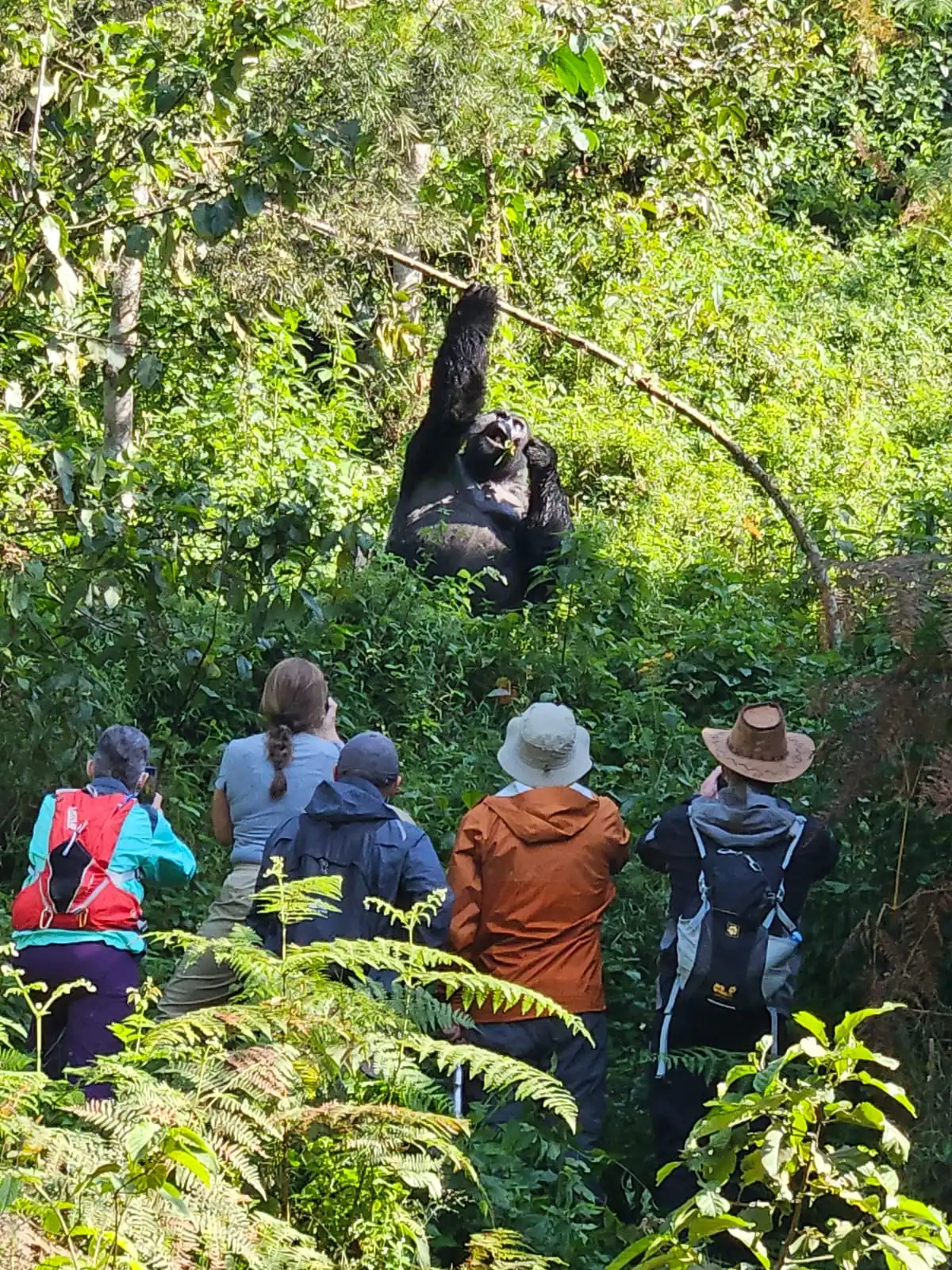
Rwanda Gorilla Trekking for Older Travellers
Rwanda Gorilla Trekking for Older Travellers can be an unforgettable experience for visitors who want to see mountain gorillas in their natural habitat, even if they are no longer comfortable with demanding physical activities. However, age alone does not determine whether someone can complete the trek. The more important considerations are walking ability, stamina, balance, health, and the type of terrain encountered on the day. At Native Africa Tours, we help travellers plan gorilla safaris around their individual needs, including appropriate accommodation, private transport, realistic schedules, and practical support during the trekking experience.
Rwanda’s Volcanoes National Park is particularly attractive to older travellers because it can be reached from Kigali without a long journey across the country. Nevertheless, gorilla trekking is a genuine mountain-forest excursion rather than a short walk to a wildlife viewing platform. The ground may be muddy, slopes can be steep, and the gorillas may move farther into the forest than expected. Understanding these realities before booking helps older visitors make informed decisions and enjoy the experience with greater confidence.
Can older travelers go gorilla trekking in Rwanda?
Yes. Older travellers can participate in gorilla trekking in Rwanda provided they meet the park’s requirements and can safely undertake the activity with appropriate preparation and support. Rwanda’s official minimum age for mountain gorilla trekking is 15, and there is no stated upper age limit in the published age rule. Therefore, travellers in their sixties, seventies, and beyond should not assume they are automatically excluded because of their age.
The important question is whether you can manage the physical demands of the trek. Some older visitors remain active hikers and may find the experience manageable, while younger travellers with limited mobility may struggle. The trek can involve walking uphill, negotiating uneven ground, stepping over roots, and maintaining balance on slippery paths. The time spent walking also varies because the gorillas move freely through their habitat.
If you are considering this experience, assess your current abilities honestly rather than relying only on your age or general fitness. Think about how comfortably you walk for an extended period, whether you can manage slopes, and how you cope with changes in altitude. If you have concerns about your health or mobility, speak with your healthcare professional before committing to the trek. Native Africa Tours can then help you plan the practical arrangements around the advice you receive.
How difficult is gorilla trekking for older people?
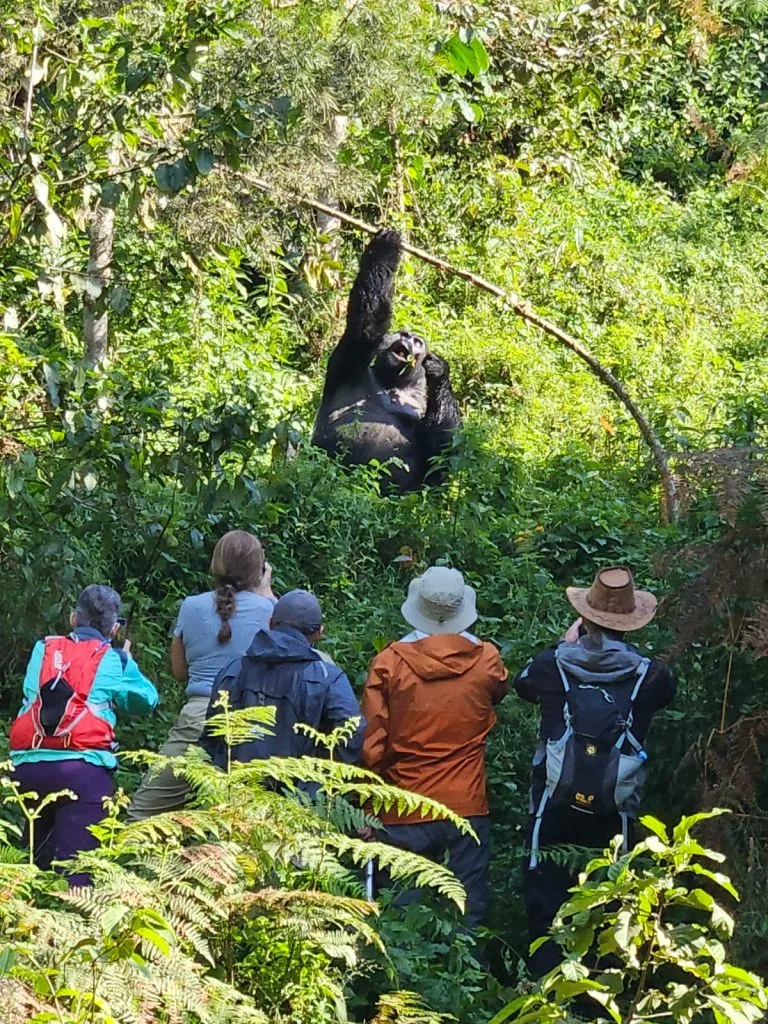
Gorilla trekking can range from a relatively manageable forest walk to a strenuous hike lasting several hours. The difficulty depends on where the gorilla family is located, the route the trackers take, the weather, the ground conditions, and each visitor’s physical capabilities. Because gorillas are wild animals that move around their habitat, the precise route and walking time cannot be guaranteed in advance.
The terrain is one of the main challenges. Volcanoes National Park lies in a mountainous landscape, and visitors may encounter muddy ground, uneven trails, vegetation, and slopes. Rain can make the footing more difficult, while walking at higher elevations may feel more tiring for some people. Even travellers who exercise regularly should be prepared for a slower pace and changing conditions.
It is also important to consider the return journey. Reaching the gorillas is only part of the walk; visitors must make their way back through the forest afterward. Some people find the excitement of seeing the gorillas helps them forget their tiredness temporarily, but that does not remove the physical demands. Older travellers should therefore plan according to what they can comfortably manage throughout the whole excursion, not just the outward walk.
No responsible tour operator can promise that a particular trek will be easy. The most useful approach is to explain your walking ability before booking, arrange suitable support, and remain flexible on the day. A well-planned safari can reduce avoidable stress, but it cannot make the forest terrain completely predictable.
How can older travellers prepare physically for a Rwanda gorilla trek?
Preparation should begin well before your departure, especially if your normal routine involves little walking or exercise. You do not necessarily need to become a serious hiker, but improving your general stamina, leg strength, and balance can make uneven terrain easier to manage. Start gradually and choose activities that match your current fitness level rather than suddenly introducing strenuous exercise shortly before travelling.
Regular walking is a useful starting point. As your comfort improves, you can gradually increase the distance or include gentle slopes, provided this is appropriate for your health. Exercises that develop leg strength and balance may also help with stepping over roots and moving across uneven ground. If you already have an exercise routine, discuss whether it needs adjusting for the demands of a mountain trek.
Preparation should also include practicing walking at a steady pace without exhausting yourself early. During the trek, short pauses to rest and drink water can be more helpful than trying to keep up with faster walkers. Avoid treating the experience as a race. Your goal is to participate safely, follow the guides’ instructions, and conserve enough energy for the return journey.
Travellers with heart, respiratory, joint, balance, or other health concerns should seek individual medical advice before booking. A healthcare professional can help assess whether the activity is appropriate and whether any precautions are needed. This guidance is particularly important for people who have difficulty walking uphill, experience breathlessness with exertion, or have a history of falls.
Can you request an easier gorilla family in Rwanda?
You can share your mobility and fitness needs with your tour operator before the trek, and they can pass relevant information to the park team. However, you should not assume that requesting an easier gorilla family guarantees assignment to a particular group or a short route. Gorilla movements, park operations, and the day’s arrangements influence where visitors trek.
When planning Rwanda Gorilla Trekking for Older Travellers, tell your operator about any difficulty with steep climbs, prolonged walking, or balance. Explain whether you can walk independently, need frequent rests, or require assistance on uneven ground. This information is more useful than simply saying that you are an older traveller, because people of the same age can have very different abilities.
The park’s team makes the operational decisions for the trek. While your needs can be communicated and considered, the final route and walking distance remain uncertain. A good itinerary should therefore include enough flexibility to accommodate the possibility of a longer trek, rather than scheduling a demanding additional activity immediately afterward.
If a short walk is essential for you to participate, raise that requirement before paying for your permit and finalizing your trip. Your operator can explain what can realistically be requested and what cannot be guaranteed. Clear communication at the planning stage helps prevent misunderstandings on the trekking morning.
What assistance is available for older gorilla trekkers?
Several forms of assistance may help older visitors manage the experience, although each option serves a different purpose. A porter can carry your daypack and may offer a steadying hand where appropriate. This reduces the effort of carrying personal items and lets you concentrate on your footing. Porter services normally involve an additional payment, so ask your tour operator to confirm the current arrangement and cost.
A walking stick or suitable trekking pole may also help some visitors maintain balance, depending on the terrain and their mobility needs. Sturdy hiking boots with good grip are important, and gaiters can help protect the lower legs from mud, moisture, and vegetation. A lightweight waterproof jacket, gloves, and clothing that covers the arms and legs can improve comfort in changing mountain weather.
For travellers who cannot manage the trek on foot, specialist carrying arrangements, sometimes described as a sedan chair carried by porters, may be available through local providers or park arrangements. Availability, suitability, cost, and booking requirements must be confirmed for the specific travel date. Do not assume this service is automatically included in a gorilla permit or can be arranged at the last minute.
Assistance should be discussed well before arrival, particularly when a traveller has substantial mobility limitations. Explain the type of help needed, how far the person can walk, whether they can step over obstacles, and whether they can sit comfortably for the duration of the experience. These details allow your tour operator to investigate suitable arrangements instead of relying on assumptions.
Is Rwanda better for older travellers than Uganda for gorilla trekking?
Rwanda may be a convenient choice for older travellers who want to reduce road travel before and after their gorilla trek. Volcanoes National Park is usually around two to three hours by road from Kigali, depending on traffic, the starting point, and the exact destination. This makes it possible to arrange a relatively short safari from the capital without a long cross-country transfer.
Uganda is also a worthwhile destination, but reaching Bwindi Impenetrable National Park or Mgahinga Gorilla National Park can involve a longer journey depending on the route and starting point. Travellers flying into Kigali can sometimes reach Uganda’s southern gorilla trekking areas by road in approximately four to five hours, although border procedures, road conditions, and the final trekking sector affect the total travel time. The best option depends on the complete itinerary rather than the park alone.
Permit cost is another consideration. The standard gorilla trekking permit for foreign non-residents is published at US$1,500 per person in Rwanda and US$800 per person in Uganda. These figures cover the permits, not the full safari. Transport, accommodation, meals, porter services, and other arrangements contribute to the total cost. Eligible visitors may qualify for different promotional or resident rates, so confirm the applicable tariff before payment.
For older travellers, the cheapest permit is not necessarily the most comfortable overall choice. A shorter transfer, a convenient lodge, a private vehicle, and an itinerary with adequate rest may be more important than saving money on one part of the journey. Native Africa Tours can help compare the total cost and logistics of Rwanda and Uganda according to your mobility, travel dates, and preferred accommodation level.
Where should older travellers stay before gorilla trekking in Rwanda?
Choosing suitable accommodation can make a significant difference to the comfort of a gorilla safari. For most travellers, staying near Musanze or closer to the Volcanoes National Park briefing area helps avoid an unnecessarily early and tiring drive on trekking morning. The park’s official guidance requires visitors to report for registration and briefing at the designated location early in the morning, so confirm the precise lodge location and transfer plan in advance.
When comparing lodges, look beyond star ratings and photographs. Ask about the distance from the vehicle drop-off point to the room, the number of steps, the availability of ground-floor rooms, bathroom access, handrails, and help with luggage. If you have knee problems or difficulty climbing stairs, these details may be more important than a lodge’s decorative style or luxury facilities.
Comfortable accommodation also helps you rest properly before the trek and recover afterward. A good bed, warm shower, early breakfast, and attentive staff can make the experience easier, especially after a wet or physically demanding walk. If you prefer not to change hotels frequently, we can design your itinerary around a convenient base near the park.
Native Africa Tours can recommend accommodation according to your budget and access needs. To make a useful recommendation, tell us whether you need step-free access, a room close to the dining area, assistance with stairs, or other specific arrangements. Availability must be checked for your dates, and accessibility features should be confirmed directly rather than assumed from a property’s general description.
What should older travellers pack for gorilla trekking?
Packing should focus on comfort, footing, protection from the weather, and any personal needs you may have. Start with sturdy walking boots or shoes that fit well and have reliable grip. If you plan to wear new footwear, break it in before traveling to reduce the risk of blisters. Long trousers, a long-sleeved shirt, and gardening gloves can help protect your skin from nettles, branches, and rough vegetation.
Bring a lightweight waterproof jacket because mountain weather can change quickly. A small daypack should contain drinking water, any permitted snacks for use away from the gorillas, personal medication, tissues, and other essentials. Your porter may be able to carry the daypack, but keep essential medication and items you may need immediately accessible.
A walking stick, knee support, or other mobility aid may be useful if it is already part of your normal routine. Do not rely on a new aid for the first time on a difficult trek without understanding how to use it safely. If you use prescription medication, follow your healthcare professional’s advice and bring enough for the planned trip, together with a reasonable allowance for delays.
A camera or phone can help you record the experience, but photography must follow the guides’ instructions and park rules. Flash photography is not permitted. Visitors must also follow current health precautions, keep the required distance from gorillas, and avoid trekking when ill with a contagious condition. These rules protect both visitors and the gorillas.
What happens if an older traveller becomes tired during the trek?
Feeling tired does not automatically mean that a trek has to end, but it is important to communicate discomfort early rather than waiting until you are exhausted. Tell your guide when you need a pause, feel unsteady, or are struggling with the pace. Guides can advise on the immediate situation and the safest way to proceed within the park’s operational rules.
Before departure, discuss with your operator how you normally respond to exertion and whether you have any limitations that could affect the trek. The more clearly you explain your needs, the easier it is to plan practical support. Nevertheless, no operator can promise that every route will have an easy alternative or that a visitor who becomes unwell will be able to continue.
If you develop significant breathlessness, chest discomfort, dizziness, severe pain, or another worrying symptom, do not try to push through it to reach the gorillas. Alert your guide immediately and follow their instructions. Your safety must take priority over completing the activity.
It is also wise to avoid scheduling another physically demanding activity straight after trekking. Give yourself time to return to the lodge, rest, eat, and recover. For a multi-day safari, a flexible itinerary can make the overall holiday more enjoyable than packing every day with activities.
Is gorilla trekking safe for older travellers with medical conditions?
Whether gorilla trekking is suitable for someone with a medical condition depends on the condition, its severity, the person’s current level of function, and the demands of the planned trek. Age by itself does not answer that question. Travellers with conditions that may be affected by exertion, altitude, uneven ground, or delayed access to medical facilities should obtain individual medical advice before making a booking.
Consider the practical demands as well as the medical diagnosis. Can you walk for an extended period without becoming excessively fatigued? Can you manage an uphill path and recover after resting? Do you have a condition that makes falls particularly dangerous? Could cold, rain, or physical exertion aggravate your symptoms? These are useful questions to discuss with your healthcare professional.
You should also be aware that park rules may prevent someone with a cold, flu, or another contagious illness from taking part. This restriction is important because respiratory infections can pose a serious threat to mountain gorillas. Travellers should check the applicable cancellation and permit terms before booking, since a permit may not be refundable simply because a visitor chooses not to trek.
Travel insurance is another important part of preparation. Review whether your policy covers the activities planned, medical treatment, evacuation where available, and changes caused by illness. Insurance terms vary, so verify the coverage directly with the insurer. Native Africa Tours can help with itinerary planning, but medical fitness decisions should be made with a qualified healthcare professional.
How much does gorilla trekking in Rwanda cost for older travellers?
The main fixed expense is the gorilla trekking permit. Rwanda’s published standard permit fee for foreign non-residents is US$1,500 per person for one trekking experience. The permit includes access for the gorilla trek under the park’s rules. Still, it does not automatically cover the entire safari, accommodation, private transfers, meals, porter services, mobility support, insurance, or personal expenses.
For older travellers, the final price may depend on the type of transport and accommodation selected and whether extra assistance is needed. A private vehicle can provide more flexibility around departure times and rest stops. A lodge with convenient room access may cost more than a simpler property, while specialist carrying arrangements, if available and appropriate, can add to the budget.
The length of the safari also affects the overall cost. Some visitors choose a short itinerary focused on gorilla trekking, while others add time in Kigali, cultural experiences, or wildlife destinations. A longer itinerary can provide a gentler pace, but it also adds accommodation, transport, and meal costs. The best plan balances comfort, time, and budget rather than focusing only on the permit fee.
Because rates and promotional offers can change, confirm the applicable permit price for your travel date before paying. Native Africa Tours can prepare a quotation that separates the permit, accommodation, transport, and any requested assistance, helping you understand what is included and what may cost extra.
How many days should older travellers spend on a Rwanda gorilla safari?
A short safari may be enough for travellers who have limited time and are comfortable with an early start and a focused itinerary. However, adding an extra night or two can make the experience more relaxed, particularly for visitors who prefer not to rush between the airport, lodge, and park. A little flexibility is valuable if you want time to rest before the trek or recover afterward.
For a short trip, arriving in Kigali and transferring to accommodation near Volcanoes National Park the day before trekking is usually more sensible than attempting a long transfer on the morning of the activity. After the trek, you can return to your lodge and rest or continue with a carefully planned transfer if the timing and your energy levels allow. Consider flight schedules and road conditions before confirming the plan.
Travellers who want to explore more of Rwanda can add time in Kigali or include other destinations, depending on their interests. The key is not to treat every available day as an opportunity to add another activity. A relaxed schedule with comfortable accommodation and manageable transfers can be more rewarding than an itinerary that leaves little room for rest.
Native Africa Tours can design a private itinerary around your arrival time, preferred lodge category, walking ability, and interests. When you enquire, share your travel dates, group size, approximate budget, and any mobility requirements so the proposed schedule reflects your actual needs.
What should older travellers ask a tour operator before booking?
Before confirming a gorilla safari, ask specific questions about the trekking arrangements rather than relying on a general assurance that the trip suits seniors. Ask how your mobility needs will be communicated to the park team, whether an easier route can be requested, what assistance is available, and which services must be booked separately. Make sure you understand that the final trekking route and duration cannot be guaranteed.
Ask about the lodge’s access features, the walking distance from the vehicle to your room, the earliest departure time, and how long the road transfer is likely to take. If you need a ground-floor room, help with stairs, or special dietary arrangements, make these requests before payment and ask the operator to confirm them with the accommodation provider.
It is also important to ask what happens if you become unwell before the trek or cannot complete it. Request the applicable permit cancellation and refund conditions in writing, and check whether your travel insurance covers relevant disruptions. Do not assume that a medical issue automatically entitles you to a refund or a replacement trekking date.
Finally, request a clear quotation listing the permit, transport, accommodation, meals, porter fees, and any agreed specialist support. Transparent arrangements help you compare offers fairly and reduce the risk of unexpected costs during your trip.
Plan Rwanda Gorilla Trekking for Older Travellers with Native Africa Tours
Gorilla trekking can be a deeply rewarding experience later in life, provided the trip is planned around your abilities and realistic expectations. The best preparation begins with an honest assessment of your walking capacity, useful medical advice where necessary, and clear communication about the support you may require. Comfortable accommodation, convenient transfers, adequate rest, and appropriate equipment can all help you approach the experience with greater confidence.
Native Africa Tours organises private safaris in Rwanda and Uganda and can help older travellers compare routes, accommodation options, transfer times, and overall costs. We can discuss your mobility needs in advance, explain which arrangements you can request, and build a practical itinerary around your travel dates. Although we cannot guarantee an easy trek or a particular gorilla family, we can help you make informed decisions before booking.
If you are considering Rwanda Gorilla Trekking for Older Travellers, contact Native Africa Tours with your preferred dates, number of travellers, accommodation budget, and any specific mobility requirements. Our team can help you explore the available options and prepare a personalized quotation for your gorilla safari.
Frequently Asked Questions About Rwanda Gorilla Trekking for Older Travellers
Is there an upper age limit for gorilla trekking in Rwanda?
Rwanda’s published rules set the minimum age at 15 and do not specify an upper age limit. Older travellers should assess their physical ability and seek medical advice if they have concerns about the trek’s demands. Park participation remains subject to the applicable rules and operational decisions.
Can someone in their seventies go gorilla trekking in Rwanda?
Potentially, yes. A traveller in their seventies may be able to participate if their health and mobility allow them to manage the activity safely. Age alone is not enough to determine suitability. The individual should consider walking stamina, balance, the ability to handle uneven ground, and the possibility of a long trek.
How long does gorilla trekking take for older visitors?
The duration varies with the location of the gorilla family and the route the trackers take. The walk may be relatively short or may take several hours in each direction. Visitors should allow for the full excursion, including the return journey, rather than planning around a guaranteed duration.
Can I hire a porter if I am an older traveller?
Porters are available to carry daypacks and may provide practical support on the trail. Confirm their exact assistance and fees before the trek. A porter is not a substitute for medical care or a guarantee that someone can complete a route beyond their physical abilities.
Can I use a sedan chair if I cannot walk far?
Specialist carrying arrangements may be available for some visitors, but availability, suitability, cost, and booking requirements need to be confirmed in advance. Do not assume this service is included in the permit or can be arranged on arrival. Discuss your specific mobility needs with your tour operator before making a booking.
Is Rwanda easier to reach than Uganda for gorilla trekking?
For many international visitors, Rwanda’s Volcanoes National Park is convenient because it can usually be reached from Kigali in approximately two to three hours by road. Some southern gorilla trekking areas in Uganda can also be reached from Kigali, although the journey is longer and includes a border crossing. The best option depends on the complete itinerary, not just driving time.
What happens if I cannot complete the trek?
Tell your guide immediately if you feel unwell or cannot continue safely. The available response depends on the circumstances, terrain, and park procedures. Do not assume that stopping early guarantees a refund, replacement trek, or transport from any point in the forest. Check the applicable permit terms and cancellation conditions before booking.
What is the best way to arrange a gorilla safari for an older traveller?
Start by sharing your intended travel dates, walking ability, accommodation preferences, and any specific mobility needs with an experienced tour operator. Confirm the permit, lodge access, transfers, porter arrangements, insurance, and cancellation terms before payment. A private itinerary with adequate rest can offer greater flexibility than a tightly scheduled trip.