
How Many People Are Allowed To Track Gorillas In Uganda Per Day?
When planning a gorilla trekking experience in Uganda, a frequent question travelers ask is, “How many people are allowed to track gorillas in Uganda per day?” This answer is vital for anyone wishing to observe these majestic animals in their natural environment. Uganda has a stringent system designed to safeguard the endangered mountain gorillas and maintain their habitat. Each day, only a limited number of permits are available for gorilla trekking in national parks like Bwindi Impenetrable National Park and Mgahinga Gorilla National Park. This regulated method not only decreases human impact but also ensures a unique, personal experience with the gorillas. Let’s delve into how many people can participate in a trekking expedition and what this signifies for your gorilla safari in Uganda.
A maximum of 8 (eight) people are allowed to track gorillas in Uganda per day. This is the overall standard measure/rule or regulation all visitors must adhere to that on gorilla tours. Not only does this rule apply to Uganda, but also to Rwanda or Congo.
Why is gorilla trekking limited to only 8 (eight) people?
Gorilla trekking in Uganda is restricted to only 8 (eight) people per gorilla group per day. Here are the reasons why only 8 visitors are allowed to track gorillas in Uganda per day.
Reduce Disturbance
Gorilla trekking is limited to a certain number of visitors to help reduce any likelihood of stressing or causing discomfort to gorillas. Huge numbers of visitors can overwhelm the gorillas and their habitat. Keeping the size of the park authority’s regulation helps maintain the general or normal behavior of these apes in their natural environment. Any chances of gorillas becoming agitated can be minimized.
Disease Prevention
A small-sized group is required to track a gorilla group per day as one way to reduce any chances of these apes contracting infectious diseases. Gorillas are one of the most vulnerable species to human diseases because they share up to 98% of their DNA with humans. Contracting respiratory diseases puts their lives at a higher risk. It should be noted that these apes were at the point of becoming extinct in the wild and took significant efforts to save them. Anything done in their habitat is done with consciousness.
Manageable Guided Experience
Small group size is manageable compared to a large one. Each group of 8 visitors is allocated a park ranger guide to lead. While in the jungle, visitors are expected to stay within their group. This is to ensure the safety of visitors and gorillas. Besides, it is easier for the park ranger guide to disseminate information to everyone when in a small group, unlike managing a large group.
Safe and Sustainable Tourism
Gorilla trekking is recognized among the very few adventures that observe principles of sustainable tourism or eco-tourism. Restricting the trekker’s population per gorilla group is to ensure sustainable tourism is promoted. In addition, the practice ensures the provision of high-quality experience while also contributing to the long-term sustainability of gorilla tourism and conservation efforts.
Where to go to Track Gorillas in Uganda
Bwindi Impenetrable National Park and Mgahinga Gorilla National Park are Uganda’s leading destinations to encounter mountain gorillas in their natural environment. Bwindi & Mgahinga are home to over half the world’s 1063 mountain gorillas and can be visited from the five locations; Ntebeko, Buhoma, Rushaga, Ruhija, and Nkuringo.
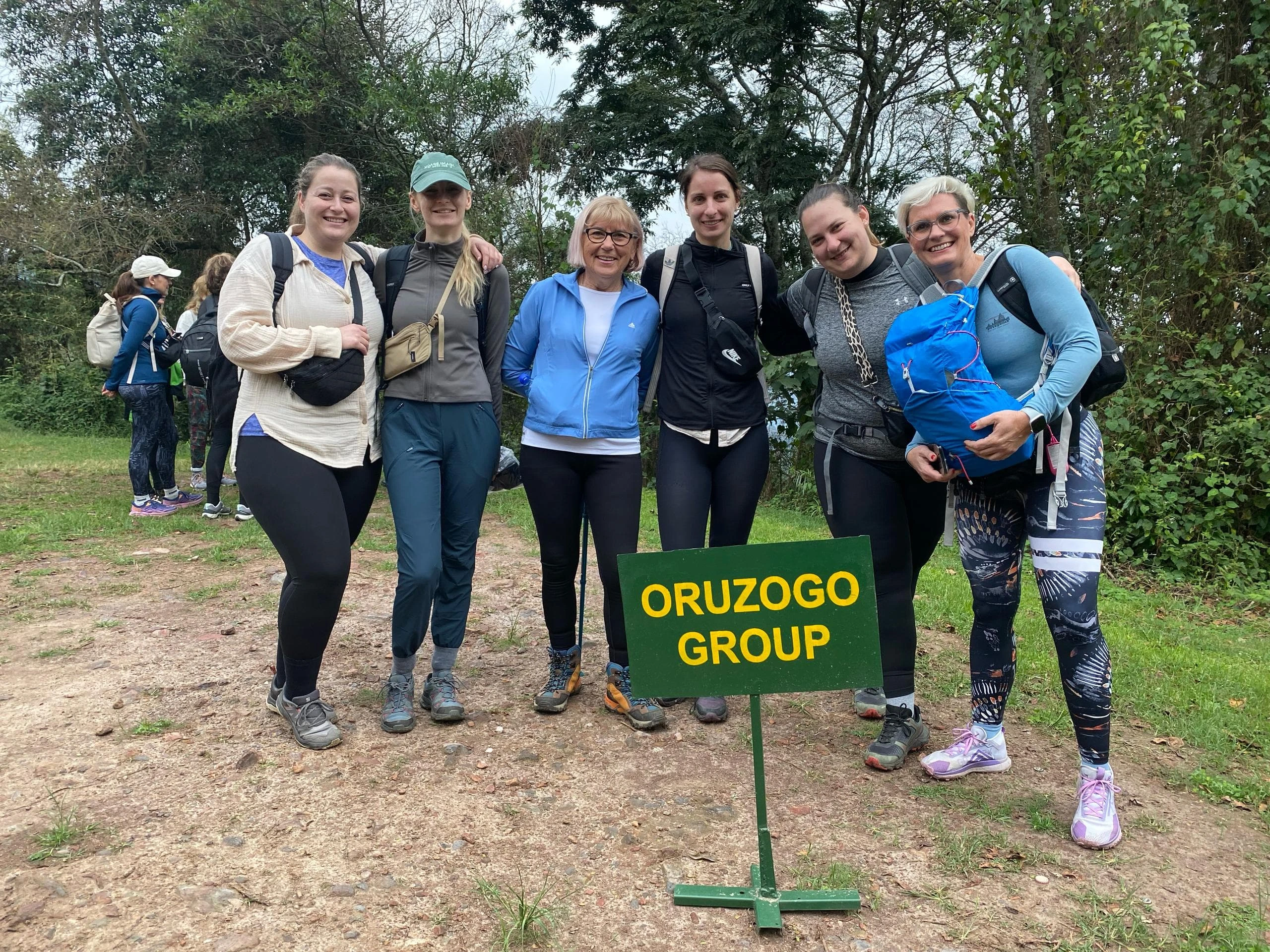
Gorilla trekking in Bwindi Impenetrable National Park involves exploring habituated gorilla families such as Habinyanja gorilla family, Rushegura, Mubare group, Mishaya, Katwe, Kutu, Nshongi group, Nkuringo gorilla family, Kyaguriro gorilla group, and Bitukura. In addition, gorilla families to visit in Bwindi include the Mukiza gorilla group, Oruzogo, Bweza gorilla family, Kahungye, Busingye, Bikingi, Kutu, Tindatine gorilla family, Christmas, and Mucunguzi.
Gorilla trekking in Mgahinga National Park involves exploring the Nyakagezi gorilla family. Treks with gorilla families in Mgahinga National Park and Bwindi begin from one sector.
How Much is a Gorilla Permit?
To track mountain gorillas, you should have a valid permit. A gorilla trekking permit can be booked at USD 800 per person. The foreign residents can book Uganda gorilla permits at USD 700, the Rest of the Africans pay USD 500 per person to book a gorilla permit, and Shs. 300,000 per person for Ugandans or East African citizens. Valid gorilla permits should be secured in advance, and we recommend at least 2-6 months before the actual visit to see gorillas. Contact our team to book a gorilla permit for your gorilla trekking experience in Uganda.
How to Book a Budget Gorilla Tour in Uganda
Budget gorilla tours in Uganda are best booked through the local tour operator. Several considerations must be looked at when planning to book a budget tour in Uganda. First, consider dealing with a reliable tour operator. Know the season of the year to travel for gorilla trekking tours in Uganda. Choose the destination and accommodation to retire for a night in Bwindi Impenetrable National Park and Mgahinga Gorilla National Park.
When to Travel for Gorilla Trekking
Treks with gorillas are possible at any time of the year. However, the dry season is recognized as the ideal period to enjoy excellent trekking. In each travel calendar, there are 2 useful dry seasons with the longest occurring from June to September. The shortest dry season starts from December to February.
Visiting Uganda’s Bwindi and Mgahinga for gorilla trekking during the dry season makes it easier and safer to trek through the jungle in search of gorillas. The weather conditions and the habitat are favorable for tourists to enjoy their adventures. The vegetation is clear and less dense, making it possible to capture incredible images.
During the wet season, you can still track gorillas in Uganda. The rainy season records heavy rains with the park’s habitats experiencing muddy or slippery ground. This poses a challenge to visitors who travel to track gorillas.
But visitors interested in spending less can consider booking gorilla tours around the off months of the year. The longest of months runs from March to May, and lastly, the short wet or low season occurs from October to November.
What to Pack for a Gorilla Trekking Tour in Bwindi or Mgahinga
There are several essential items worth considering on your packing list for the gorilla safari. These include 2 pairs of long trousers, long-sleeved shirts, a waterproof daypack, a safari hat, a camera, a first aid kit, insect repellents, and more. Other items to pack include gardening gloves, a sweater, lightweight and waterproof hiking boots, sunscreen, and more. The clothes to be chosen should not be bright, but environmentally friendly.
Accommodation Options in and around Bwindi and Mgahinga
There are several accommodation options to book for an overnight stay before or after trekking gorillas. These include Buhoma Community Rest Camp, Buhoma Lodge, Bwindi Lodge, Rushaga Gorilla Camp, Four Gorillas Lodge, Ichumbi Gorilla Lodge, Clouds Mountain Gorilla Lodge, and Gorilla Mist Camp.
Combining Gorilla Treks & Habituation
Gorilla trekking and gorilla habituation present a remarkable opportunity to explore gorillas. Gorilla habituation takes a maximum of 4 pax and mainly focuses on making gorillas get used to human presence. When you embark on gorilla habituation, expect to enjoy a maximum of 4 hours with the Gorillas. This involves having a close observation of gorillas in their natural habitat and taking photos.
Conclusively, a maximum of 8 people get a chance to track one habituated group of gorillas in Uganda. Observing a set measure like this plays a useful role in reducing the chances of these apes contracting infectious diseases.
Don’t miss the opportunity to trek with Uganda’s mountain gorillas! Book your permit today and secure your spot for an unforgettable adventure. Contact us to plan your dream gorilla safari and get expert guidance on permits and trekking logistics!