
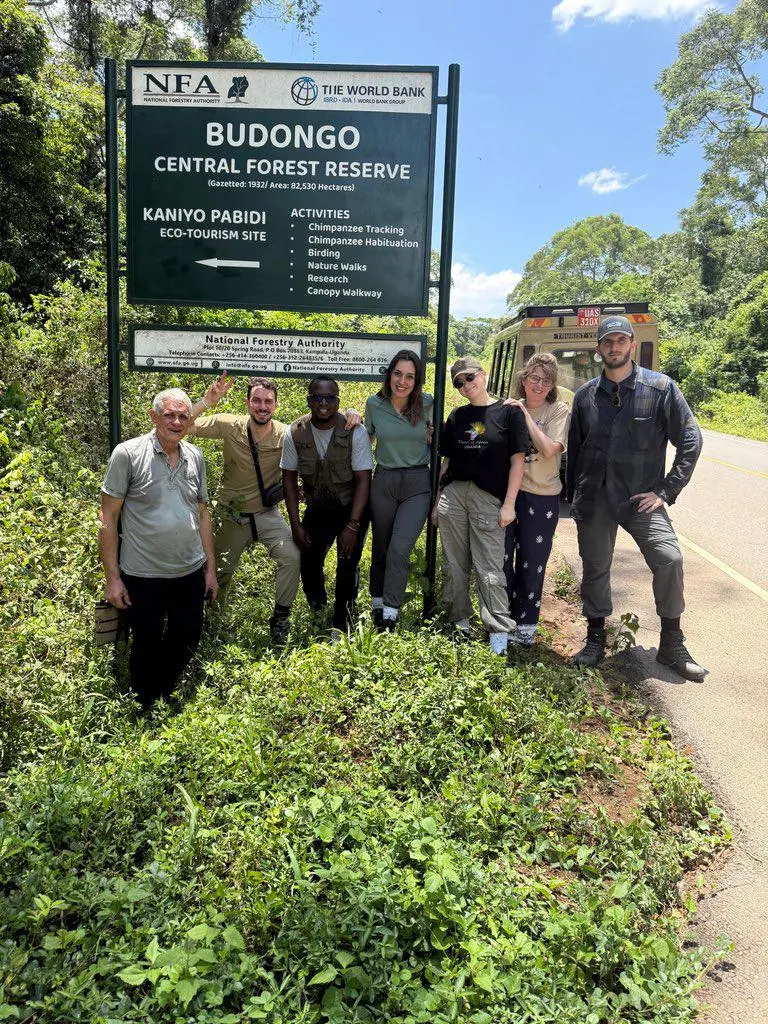
New Chimpanzee Permit Prices for Budongo Forest
The ancient rainforests of Uganda have long whispered the secrets of our closest living relatives. Among these verdant landscapes, Budongo Forest Reserve stands as a titan of biodiversity. Located in the northwestern part of the country, conveniently tucked within the Murchison Falls Conservation Area, Budongo is renowned for its vast mahogany trees and one of the highest densities of chimpanzees in East Africa. For years, it has offered a pristine, less-crowded alternative to the bustling Kibale Forest, allowing intrepid travelers to immerse themselves in the world of the Pan troglodytes. In this article, we delve deep into the new chimpanzee permit prices for Budongo Forest, exploring the rationale behind the hike, what this means for the average traveller, and why, despite the increase, the experience remains an unparalleled investment in the world of primate conservation.
However, the landscape of Uganda’s tourism is dynamic, responding to economic shifts, conservation needs, and global market trends. Recently, the Uganda Wildlife Authority (UWA) implemented significant adjustments to the tariff structure for various activities, including the highly sought-after chimpanzee trekking and habituation experiences. These changes have sparked conversations across the travel industry, prompting potential visitors to reassess their budgets and itineraries.

The New Price Structure
Effective July 1, 2024, UWA revised the rates for chimpanzee tracking across all protected areas. For Budongo Forest, specifically managed in conjunction with the broader Murchison Falls National Park infrastructure, the changes are notable but remain competitive within the regional market.
Previously, Budongo Forest was marketed as a more affordable alternative to Kibale, often attracting budget-conscious travelers. Under the new pricing, the gap has narrowed, but Budongo retains a strategic price advantage.
Chimpanzee Trekking (Permits for Foreign Non-Residents)
The most significant change for the international market is the adjustment for Foreign Non-Residents (FNR). Under the new regulations, this has been adjusted to $130 USD per person.
This shift brings Budongo closer to the pricing tier of Kibale Forest, which sits at $300 USD. While the increase is substantial for budget travelers, it standardises the pricing to reflect the true cost of conservation and the rising operational costs of managing protected areas in Uganda.
Chimpanzee Habituation Experience (CHE)
For those who wish to spend a full day with the researchers and chimpanzees, the Budongo Habituation Experience remains the premium option. The price for this all-day immersive activity has also seen an upward revision. While specific rates can sometimes fluctuate based on the operator and the specific location within the reserve (such as Kaniyo Pabidi), the standard rate for Foreign Non-Residents now sits comfortably between $250 USD and $300 USD. This aligns with the understanding that habituation requires more time, ranger presence, and logistical support.
Foreign Residents and East African Citizens
UWA maintains a tiered pricing system to encourage domestic and regional tourism. For Foreign Residents (those holding foreign work permits in Uganda) and East African Citizens (Uganda, Kenya, Rwanda, Tanzania, Burundi, South Sudan), the prices have also been revised, usually quoted in Ugandan Shillings (UGX). Foreign Residents:
- The new rate is approximately 150,000 UGX (roughly $40 USD).
- East African Citizens: The rate is set at approximately 100,000 UGX (roughly $27 USD).
These adjustments ensure that local access remains affordable while generating necessary revenue from the international market.
What Are the Reasons for the New Chimpanzee Permit Prices in Budongo Forest
To the uninitiated, a price hike for foreign non-residents might seem unjustified. However, a closer look at the economics of wildlife conservation in East Africa reveals a complex narrative. Tourism is the lifeblood of Uganda’s protected areas. Unlike some developed nations where parks are state-subsidised through general taxation, Uganda’s parks rely heavily on gate collections and permit sales to fund their operations.
The revenue generated from chimpanzee permits is not merely profit; it is a survival fund. These finances are critical for anti-poaching patrols, paying ranger salaries (who risk their lives daily), maintaining road networks within the forest, and supporting community development projects.
Furthermore, the post-pandemic tourism landscape has been fraught with inflation. The cost of fuel, vehicle maintenance, equipment for rangers, and general operational logistics has skyrocketed. By adjusting the permit prices, UWA is ensuring that the quality of the service and the safety of the animals do not degrade. The last thing conservationists want is for popular parks like Budongo to become “paper parks” – protected on maps but neglected on the ground due to lack of funds.
Additionally, the price hike helps control tourist numbers. While Uganda wants to encourage tourism, there is a delicate balance to be struck. Too many visitors in a fragile chimpanzee habitat can lead to stress for the animals, disease transmission, and habitat degradation. Higher prices naturally regulate the flow, ensuring that the experience remains exclusive and sustainable.
Budongo vs. Kibale: Is it Still Worth It?
With the new price, the inevitable question arises: Why choose Budongo over Kibale? Kibale Forest is often touted as the “Primate Capital of the World,” with the highest success rate for seeing chimps and a higher density of habituated communities.
However, Budongo offers a distinct allure that justifies the investment, even with the narrowed price gap.
Ecosystem and Landscape
Budongo is one of the most extensive semi-deciduous forests in East Africa, famous for its colossal mahogany and ironwood trees. The forest feels ancient and primal. The experience of trekking here is different; the terrain can be challenging, taking you through deep ravines and across streams, offering a true sense of wilderness exploration. The “Royal Mile,” a stretch of track renowned for birdwatching, is also located here, offering birders a chance to see species like the Chocolate-backed Kingfisher and Puvel’s Illadopsis.
The Chimp Experience
In Kibale, you might be one of eight people in a group viewing the chimps. In Budongo, particularly at the Kaniyo Pabidi eco-tourism site, the crowds are significantly thinner. The experience feels more intimate and less commercialised. The chimpanzee communities in Budongo, particularly the Sonso community, have been studied by researchers since the 1990s. While they are fully habituated, they retain a wild edge that many purists prefer over the more “circus-like” interactions occasionally reported in busier parks.
Location and Logistics
Budongo is located at the top of the Albertine Rift, en route to or from Murchison Falls National Park. For travelers on a standard northern circuit safari (which includes Murchison Falls and perhaps Kidepo Valley), Budongo is a convenient and logical addition. Visiting Kibale, by contrast, usually requires a detour south to Fort Portal. If your itinerary is focused on the Murchison area, paying $130 for Budongo saves you days of driving and extra fuel costs compared to trekking all the way to Kibale.
Conclusion
While the increase for a chimpanzee permit in Budongo Forest may initially sting the wallet, it is a reflection of the true value of the experience. In a world where wild spaces are shrinking and primate populations are under constant threat, the cost of entry is a contribution to the survival of these magnificent creatures.
Budongo Forest offers a sanctuary not just for chimpanzees, but for the human soul seeking connection with nature. The towering mahogany trees, the echoing pant-hoot calls of the chimps, and the sheer, untouched wildness of the reserve provide an experience that is priceless.
The new tariff structure ensures that this sanctuary is maintained, that the rangers are equipped, and that the local communities benefit from the tourism. When you purchase that permit, you aren’t just buying a ticket to a show; you are buying a stake in the future of one of Uganda’s most precious ecosystems. For those willing to invest, the rewards are memories that will last a lifetime and the knowledge that their visit helped ensure the chimpanzees of Budongo continue to thrive for generations to come.