Rwanda Gorilla Trekking for Families with Teenagers
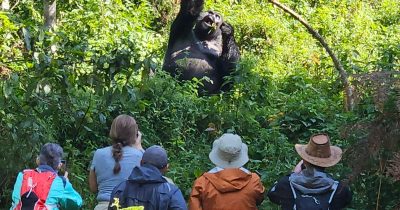
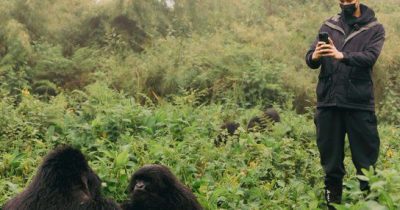
Rwanda’s breathtaking landscapes, rich biodiversity, and vibrant culture make it an intriguing destination for family adventures. Especially for those with teenagers. Among the many experiences that families can enjoy in Rwanda, gorilla trekking stands out as a once-in-a-lifetime opportunity. However, there are certain regulations to consider, particularly when it comes to age restrictions. This article will explore why children under 15 are not allowed to go Gorilla trekking in Rwanda, offer tips on how families with teenagers can enjoy the experience, and highlight other activities the teenagers can engage in.
Why Are Children Below 15 Not Allowed to Trek Gorillas?
The primary reason children under 15 are not permitted to participate in gorilla trekking in Rwanda is to protect both the gorillas and the children. Here are some key factors that contribute to this regulation:
Health Risks
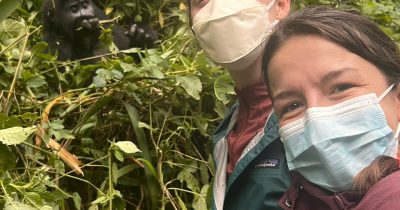
Gorillas share approximately 98% of their DNA with humans, making them susceptible to human diseases. Young children may not yet have fully developed immune systems, increasing the risk that they could inadvertently transmit illnesses to gorilla populations. Diseases such as the common cold or flu can be fatal to gorillas due to their lack of immunity. Consequently, limiting trekking to older teenagers and adults is a critical public health measure.
Safety Concerns
Gorilla trekking often involves hiking through challenging terrain, which can be physically demanding. Younger children may struggle with the physical exertion required or may find themselves overwhelmed by the dense forest environment. Safety is a top priority during these treks, and ensuring that participants have the physical capability to navigate the trails minimizes the risk of accidents.
Emotional Maturity
Engaging with wildlife, particularly such majestic and powerful beings as mountain gorillas, can be an intense experience. Teenagers, generally more emotionally mature than younger children, are better equipped to manage the situation, maintain a respectful distance, and appreciate the significance of this unique encounter. The rhinoceros and gorilla experience can evoke strong emotions, and trekkers must be prepared for this.
Behavioural Considerations
Younger children may not yet understand the importance of maintaining silence and calmness around the gorillas, which is crucial for both the animals’ comfort and safety. The experience requires a level of patience and self-control that older children and teenagers are more likely to possess.
Overall, the age restriction is rooted in a combination of health, safety, emotional maturity, and animal welfare considerations. For families planning to trek, it’s essential to note that this experience is primarily designed for those aged 15 and older.
How to Do Gorilla Trekking with Teenagers
While younger children cannot join in on the trek, there are ways to involve teenagers in the experience while ensuring that the entire family has a memorable time. Below are tips for families planning this adventure:
Preparation and Training
Before setting off on your gorilla trekking adventure, it’s vital to prepare both physically and mentally. Encourage family members, especially teenagers, to engage in physical activities like hiking, walking, or jogging in the weeks leading up to the trek. This preparation will help everyone acclimate to the exertion required during the trek. Take the time to educate yourself and your teenagers about the rules and regulations associated with gorilla trekking. Understanding the importance of staying quiet, maintaining a respectful distance, and following the guides’ instructions is key.
Choose the Right Time
Timing your trip could significantly influence your family’s gorilla trekking experience. Rwanda’s dry seasons, typically from June to September and December to March, offer optimal trekking conditions. During these months, the trails are less muddy, making it easier for teenagers and adults alike. Additionally, visibility is usually better, enhancing the chances of spotting the gorillas.
Engage a Knowledgeable Guide
Utilizing an experienced guide can enhance the gorilla trekking experience for families. Guides not only ensure safety but also provide valuable insights that can enrich the trek. Ask questions and engage with the guide to educate your teenagers about gorilla behavior, conservation efforts, and the local ecosystem.
Capture the Experience
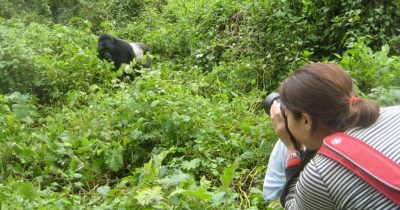
Encouraging teenagers to document the trek through photography or journaling can enhance their appreciation for the experience. Specify times to take photos to avoid disturbing the gorillas, and remind them to be respectful of the animals. This documentation can be a great way for them to reflect on the adventure afterwards.
Connect with Other Families
If you are connected to other families planning similar trips, consider coordinating your trekking schedules. Having peers along can make the experience more enjoyable and meaningful for teenagers. Sharing stories, excitement, and possibly even photographs online can foster camaraderie.
Emphasize Learning
Prepare teenagers by discussing the conservation significance of gorilla trekking. Encourage them to think critically about wildlife protection and biodiversity. This can lead to meaningful discussions during and after the trek. Encourage your teenagers to carry information sheets, jot down thoughts, or even draw what they see. This could lead to stimulating conversations around the dinner table later on.
Other Activities That Can Be Done by Teenagers
While gorilla trekking is a highlight of any family trip to Rwanda, it isn’t the only adventure on the agenda. Below are some other activities that teenagers may enjoy during their visit:
Akagera National Park Safari
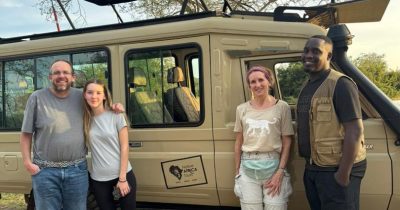
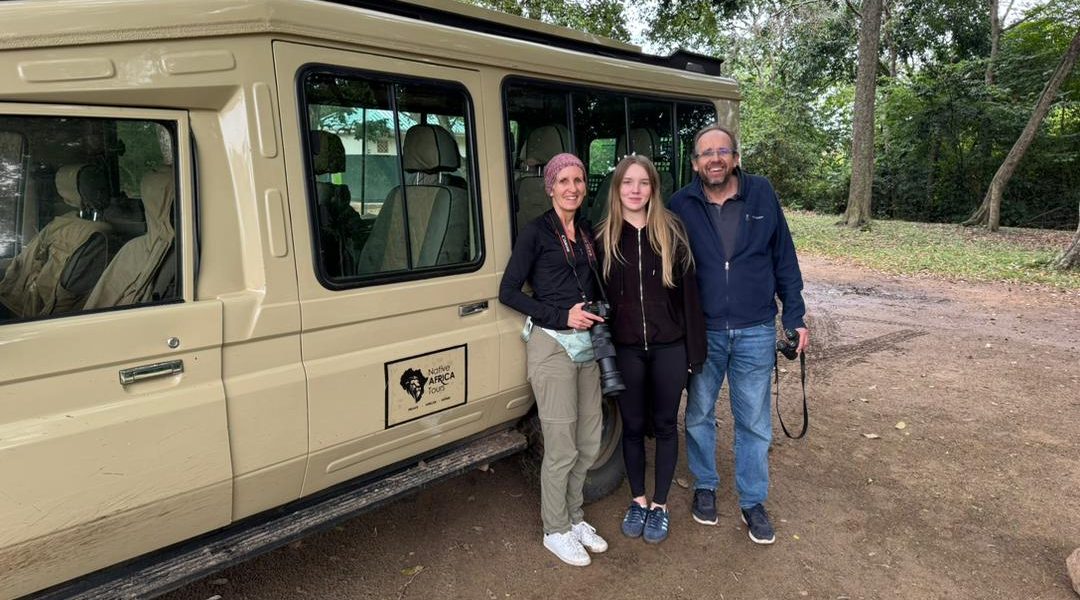
A visit to Akagera National Park offers a chance to see a variety of wildlife, including elephants, zebras, and even lions. Game drives provide an exciting opportunity for teenagers to observe animals in their natural habitats. Native Africa Tours offers guided safaris, making it easy for families to experience the park together.
Nyungwe Forest Canopy Walk
For families with active teenagers, the Nyungwe Forest National Park offers a thrilling canopy walk high above the forest floor. Spanning 90 meters long and situated 50 meters above the ground, this experience allows families to appreciate the park’s rich biodiversity from a unique perspective. It’s an exhilarating and educational experience that emphasizes the importance of rainforest ecosystems.
Cultural Experiences
Rwanda boasts a rich cultural heritage that can be explored through various activities. Visit local villages or engage in cultural tours, where teenagers can learn about traditional music, dance, and art. Opportunities to participate in traditional crafts or cooking classes provide hands-on experiences that may significantly enrich their understanding of Rwandan culture.
Lake Kivu Activities
Lake Kivu, one of Africa’s Great Lakes, presents various opportunities for adventure. Families can partake in kayaking, paddle-boarding, or even boat trips to explore the stunning shorelines and nearby islands. The relaxed atmosphere provides the perfect backdrop for teenagers to unwind after their trekking adventure.
Community Conservation Projects
Engaging in community conservation projects can provide teens with a sense of purpose. Many organizations in Rwanda focus on habitat preservation and community education, allowing families to contribute in meaningful ways. Volunteer opportunities may allow teenagers to work directly with locals on sustainable projects, providing rich insights into conservation efforts.
Wildlife and Bird Watching
For nature-loving teenagers, Rwanda is home to several unique bird species and diverse wildlife. Birdwatching outings can engage their curiosity and offer exciting discoveries. Rwanda’s various national parks are excellent spots for spotting unique flora and fauna.
Final Thoughts
Gorilla trekking in Rwanda is an unforgettable experience for families, especially those with teenagers. While younger children are not permitted on the trekking tours, careful planning and preparation can ensure that teenage family members have a fulfilling adventure. By choosing the right time to trek, engaging knowledgeable guides, and participating in a variety of additional activities, families can create lasting memories in Rwanda’s stunning landscapes.