Rwanda Gorilla Trekking for Photographers
Rwanda is a dream destination for wildlife photographers, particularly those seeking to capture the majestic mountain gorillas in their natural habitat. These gentle giants, residing in the lush, misty mountains of Volcanoes National Park, offer an unparalleled opportunity for stunning photography. In this article, we will explore the best practices, tips, and experiences for photographers embarking on a gorilla trekking adventure in Rwanda.
Understanding the Gorillas of Rwanda
Mountain gorillas (Gorilla beringei beringei) are one of the two subspecies of the Eastern gorilla, endemic to the Virunga Mountains, which span across Rwanda, Uganda, and the Democratic Republic of Congo. With fewer than 1,100 individuals remaining, they are classified as endangered. Their human-like expressions and social interactions make them particularly captivating subjects for photography.
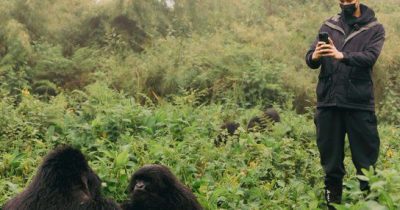
Mountain gorillas live in groups called troops, led by a dominant silverback male. These troops consist of females and their offspring, showcasing complex social structures. Observing and photographing their interactions, from nurturing mothers to playful young ones, can yield compelling narratives through your lens.
Preparing for Your Trek
The best times for gorilla trekking in Rwanda are during the dry seasons (December to February and June to September). These months offer more stable weather, making trekking easier and photography clearer. However, Rwanda’s rainforest climate means rain can occur year-round, so being prepared for changing weather is essential.
Obtaining a gorilla trekking permit is imperative. As of 2026, permits cost $1,500 per person. These permits allow access to designated gorilla groups and are essential for conservation efforts. Note that only a limited number of permits are issued daily to ensure minimal disturbance to the gorillas.
Essential Equipment for gorilla photographers in Rwanda
For wildlife photography, your equipment can make all the difference.
- Camera: A DSLR or mirrorless camera with high-quality lenses is ideal for capturing wildlife.
- Lenses: A versatile zoom lens (e.g., 24-70mm) is essential for close-ups and wider shots. A longer lens (e.g., 70-200mm or 100-400mm) will help with capturing distant subjects without intruding on their space.
- Tripod and Monopod: A lightweight tripod or monopod can stabilise your shots, especially during low-light conditions.
- Rain Gear: Waterproof covers for your camera and lens are crucial due to the unpredictable weather.
- Spare Batteries and Memory Cards: Bring extra batteries and sufficient storage, as gorilla trekking days can be long.
Gorilla trekking can be physically demanding, requiring stamina and agility. Trails may be steep and muddy, necessitating good trekking shoes and physical fitness. Engaging in light training before your trip will enhance your ability to navigate the terrain comfortably.
Gorilla Trekking Photography in Rwanda
Trekking to find the gorillas can vary in duration and difficulty based on the location of the troop. Some treks may take a short hour or extend up to six or more hours. The journey is often as rewarding as the destination, offering opportunities to photograph stunning landscapes, diverse flora, and even other wildlife.
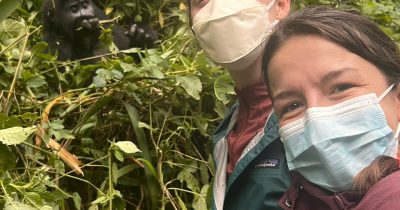
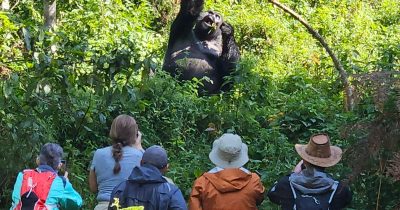
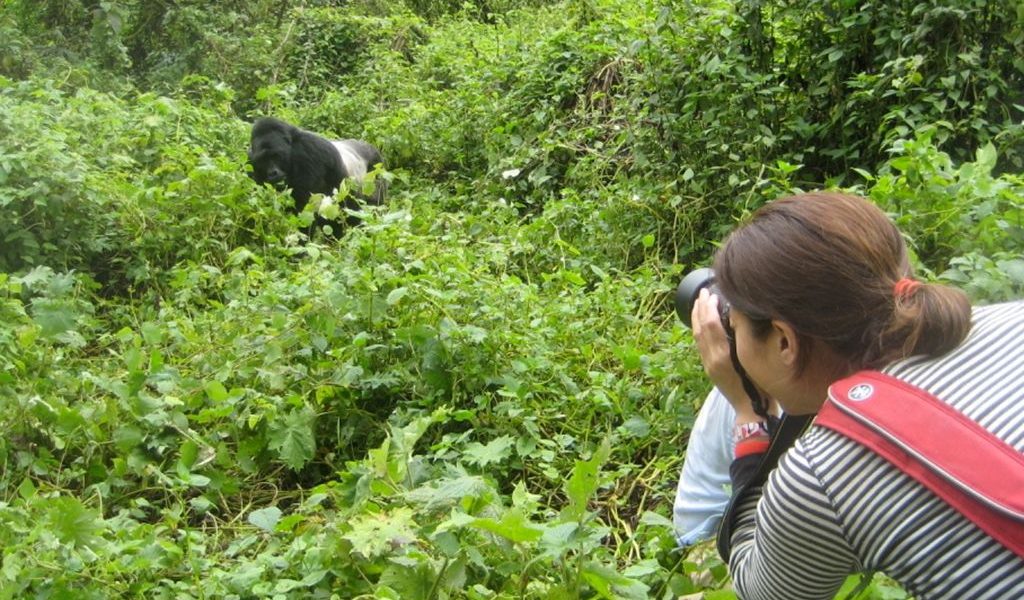
Once you reach the gorilla troop, you’ll be allowed to spend an hour with them. During this time, be respectful and maintain a safe distance of at least 7 meters (about 23 feet). This distance is crucial for the safety of both the gorillas and the visitors.
Keep an eye on the gorillas’ interactions and movements. Anticipate moments like grooming, playing, or the silverback asserting dominance. Capturing the emotional expressions of the gorillas can evoke powerful imagery. Aim for sharp focus on their eyes to bring depth to your photographs. With the dense vegetation and variable lighting, adjust your camera settings accordingly. Use a faster shutter speed to freeze motion, especially for playful gorillas. A higher ISO might be necessary in low-light conditions typical of forest environments.
While posed portraits can be stunning, candid shots where gorillas interact provide authentic storytelling through your images. Patience is key. Wait for the right moment rather than forcing a shot. Capture behaviours, interactions, and the environment around the gorillas to tell a more comprehensive story.
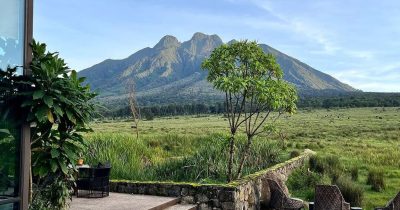
The volcanoes and dense forests create a breathtaking backdrop for gorilla photography. Don’t forget to take landscape shots that include the majestic mountains, mist rising from the treetops, and the rich biodiversity of the park. Early morning light can offer an ethereal quality to your landscape images.
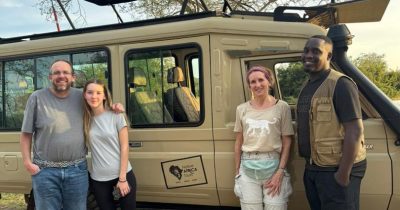
While the focus may be on gorillas, integrating the local culture can enrich your photographic narrative. Interactions with local guides, visiting community projects, and engaging in cultural experiences allow for dynamic storytelling. Consider including shots of the vibrant local life surrounding the park. This is a community that plays a crucial role in conservation efforts.
Ethical Photography Practices
Respecting Wildlife
Always prioritise the well-being of the gorillas and their habitat. Minimise noise and movement, avoid flash photography, and follow the guidelines provided by your guides. Remember, you are a visitor in their home.
Community Engagement
Engaging with local communities not only enriches your experience but also promotes sustainable tourism practices. Choose lodges or tour operators that contribute to local conservation projects and community development.
Sharing Your Work
Once you’ve curated your images, consider sharing them through various channels. Create a portfolio, share on social media, or even consider exhibitions to showcase your work. Telling the story of mountain gorillas and conveying the importance of conservation can resonate with audiences and encourage others to appreciate and protect these incredible animals.
Conclusion
Gorilla trekking in Rwanda is a unique and rewarding experience for photographers, offering a rare glimpse into the life of one of our closest relatives in the animal kingdom. With careful preparation, ethical practices, and a keen eye for storytelling, you can capture breathtaking images that reflect not only the beauty of the mountain gorillas but also the importance of preserving their habitat.
As you embark on this unforgettable journey, remember to cherish the moments, engage with the local communities, and advocate for conservation. Your photographs can ignite awareness and appreciation, helping to secure a future for these magnificent creatures and the beautiful landscapes they inhabit. Rwanda holds a remarkable adventure for photographers, filled with endless opportunities to create impactful imagery.