
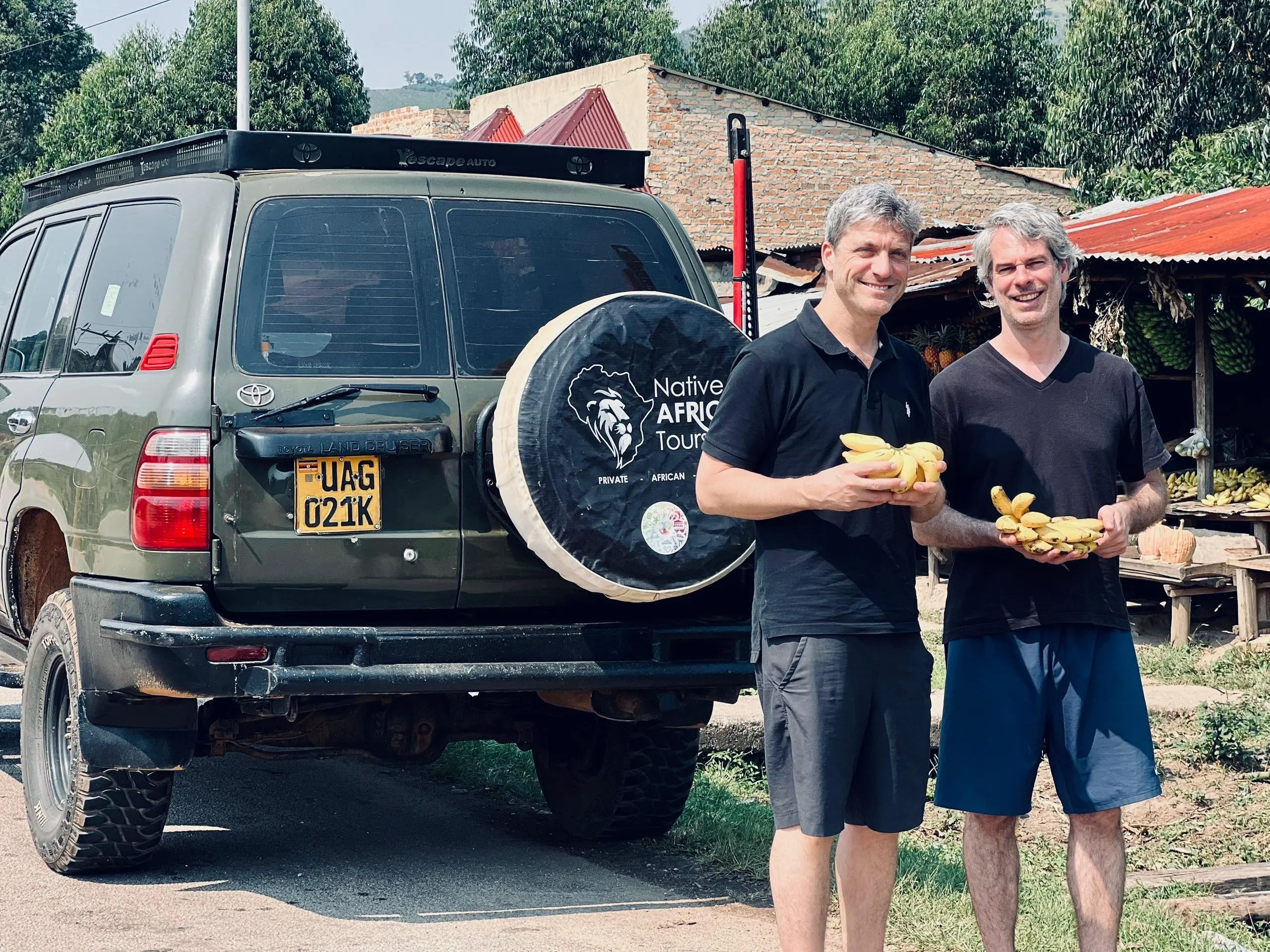
How to Support Local Communities When Trekking Gorillas in Uganda
Gorilla trekking in Uganda offers a rare opportunity to witness majestic mountain gorillas in their natural habitat. This unforgettable experience not only enriches visitors but also plays a crucial role in supporting local communities. Understanding how to support these communities enhances the overall Gorilla trekking experience in Uganda and contributes to sustainable wildlife conservation. This guide explores practical ways to support local communities when trekking gorillas in Uganda

Understanding the Context Supporting Local Communities
Uganda is home to nearly half of the world’s remaining mountain gorillas, predominantly found in Bwindi Impenetrable National Park and Mgahinga Gorilla National Park. These majestic animals are critically endangered due to habitat loss, poaching, and human-wildlife conflict. Conservation efforts have become increasingly aimed at creating a sustainable environment where local communities can co-exist with wildlife, ensuring both the survival of the gorillas and the well-being of the people.
Local communities are vital to successful conservation efforts. They often live in proximity to gorilla habitats, facing challenges such as crop raiding by wildlife and limited economic opportunities. Engaging and empowering these communities can lead to better conservation outcomes and improved livelihoods. Thus, trekkers need to seek ways to support local communities while enjoying this rewarding experience.
Support Community-Based Tour Operators
Before embarking on your gorilla trek, research and choose a responsible tour operator that prioritises community involvement. Many community-based tour companies reinvest a portion of their profits into local initiatives, such as education, healthcare, and infrastructure projects. These operators often employ local guides, contributing to job creation and skills development.
Inquire about how your chosen operator contributes to local communities. Responsible operators should be transparent about their partnerships with local NGOs, conservation projects, and community development initiatives. Understanding these connections can guide your choices as a traveller.
Engage in Cultural Experiences
One of the most enriching aspects of your gorilla trekking adventure is the opportunity to engage with the local culture. Many communities near gorilla habitats, such as the Batwa or Bakiga people, welcome visitors to share their traditions, crafts, and lifestyles. Attend traditional dance and music performances, where you can appreciate the locals’ artistic expressions. Participate in workshops on local crafts such as basket weaving, pottery, or bead-making. Not only do these experiences provide insight into traditional practices, but they also create an additional income stream for artisans. By actively engaging in cultural experiences, trekkers contribute directly to the local economy.
Homestays and Local Lodges
Opt for accommodations that are locally owned, such as homestays or lodges run by members of the community. These places often provide more personalised experiences and contribute more directly to local economies than large hotels or international chains. Staying within the community will offer you first-hand insight into local life and culture, enhancing your travel experience.
Supporting Local Businesses
Buying handcrafted items, such as baskets, jewellery, or artwork, directly supports local artisans and craftspeople. Markets near trekking areas often feature vibrant displays of local craftsmanship, allowing you to take home unique souvenirs while supporting the artisans behind them. While haggling is a common practice, approach it respectfully to ensure that artisans are fairly compensated. Inquire about the materials, techniques, and significance of the crafts. This enhances your understanding and appreciation of local culture.
Dine in Local Restaurants
Eating at locally-owned restaurants or small eateries not only supports local cuisine but also stimulates the local economy. Look for eateries that source their ingredients from nearby farms, as this promotes sustainable agriculture. Visiting these dining establishments creates a symbiotic relationship between tourists and the community, allowing visitors to experience authentic flavours while contributing to local livelihoods.
Volunteering and Community Development
Some organisations offer travellers the opportunity to volunteer in local communities before or after their gorilla trek. These programs can vary from teaching and healthcare initiatives to conservation and infrastructure projects. Engaging in these programs can deepen your understanding of the challenges local communities face and foster impactful connections. Engage in wildlife monitoring, habitat restoration, or community education efforts. Tutor children in local schools or assist with capacity-building workshops for local teachers.
Support Local NGOs
Research nonprofits focused on community development and conservation in Uganda. Contributing financial support or materials to these organisations can have a significant impact. Some NGOs focus on health, education, or women’s empowerment – areas that can benefit from additional resources.
Ethical Wildlife Viewing
Respecting wildlife guidelines is crucial for the well-being of both gorillas and local communities. By minimising disturbances to gorillas, tourists help reduce potential conflict between wildlife and residents. Always maintain a distance of at least 7 meters from the gorillas, and follow the guidelines provided by park rangers.
Advocate for Conservation Awareness
Use your platform to raise awareness about the importance of gorilla conservation and the challenges faced by local communities. Share your experiences and insights on social media or through blogs to inspire others to support sustainable tourism practices.
Support Eco-Friendly Initiatives
Look for accommodation and tour operators that prioritise eco-friendly practices. This may include using renewable energy sources, minimising water usage, and promoting wildlife conservation education for both staff and guests.
Long-Term Engagement
If you’re planning a more extended visit or multiple trips to Uganda, consider building relationships with local communities. Engaging with local leaders, participating in community events, and returning to volunteer can have lasting benefits for both you and the community.
Follow-Up Contributions
Consider supporting initiatives in the community even after returning home. This could involve fundraising efforts, promoting local organisations, or advocating for conservation and community development projects.
Conclusion
Gorilla trekking in Uganda is not just a remarkable adventure. It offers visitors the opportunity to make meaningful contributions to local communities. By choosing responsible tour operators, engaging in cultural experiences, supporting local businesses, and advocating for conservation awareness, trekkers can ensure that their journey positively impacts both the local people and the mountain gorillas they come to admire.
As you embark on trekking Gorillas in Uganda, remember that the essence of travel lies in the connections you make along the way with the local communities you support. Through mindful and intentional support for local communities, you can not only enrich your experience but also contribute to the sustainability of both wildlife and the people who coexist with it. By fostering positive relationships and promoting responsible tourism, each trekker can play a vital role in building a better future for Uganda’s mountain gorillas and the communities that protect them.