
The August 7th Memorial Park: A Tribute to Resilience and Remembrance
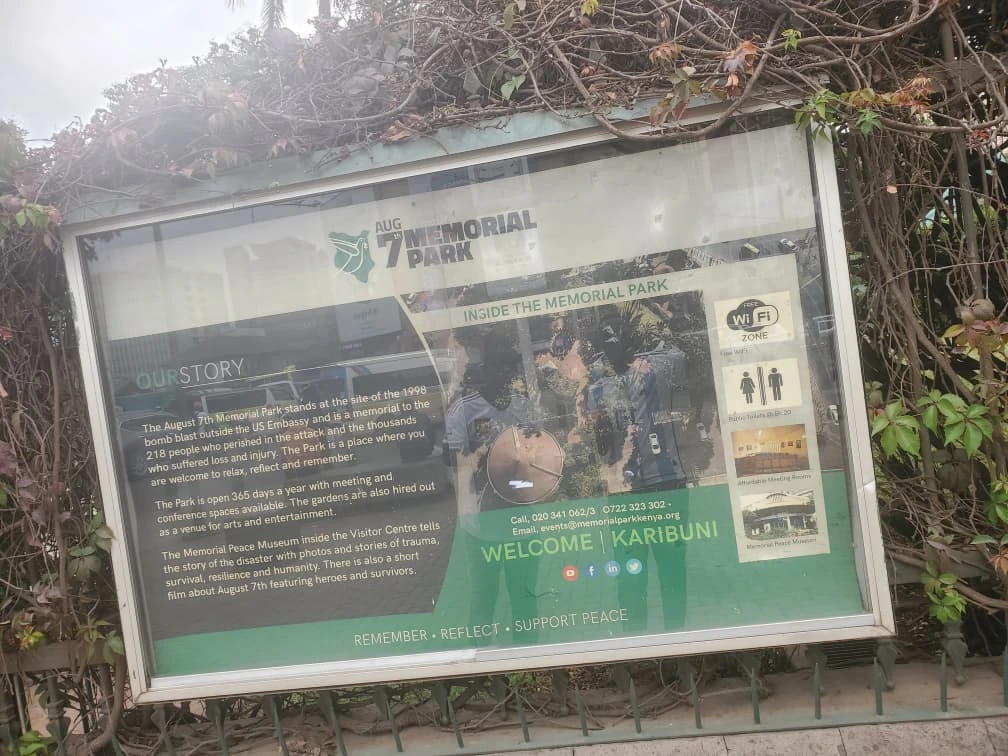
Located in the heart of Nairobi, the August 7th Memorial Park stands as a poignant reminder of the tragic events of August 7, 1998, when a terrorist attack targeted the U.S. Embassy in Kenya. This catastrophic incident resulted in the loss of 224 lives and left thousands injured, marking a significant moment in Kenya’s history and in the global fight against terrorism. The memorial park not only commemorates the victims but also serves as a place for reflection, education, and resilience. This article explains the history, significance, and features of the August 7th Memorial Park.
History of the August 7th Memorial Park
The attack on the U.S. Embassy was part of a coordinated strategy by the terrorist group al-Qaeda, which aimed to strike U.S. interests globally. In Nairobi, the terrorists detonated a truck bomb outside the embassy, causing widespread destruction and chaos. The aftermath was devastating; not only were lives lost, but entire families were torn apart, and the fabric of the community was permanently altered.
In the years that followed, the Kenyan government, alongside various organizations and citizens, sought to create a space that would honor the victims and educate the public about the impact of terrorism. This led to the establishment of the August 7th Memorial Park, which opened its gates in 2006, directly across from the site of the former embassy.
Design and Features of the Park
The August 7th Memorial Park is designed to be both a serene space for reflection and a powerful reminder of the past. Covering an area of approximately 1.2 hectares, the park features several key elements:
1. The Memorial Wall
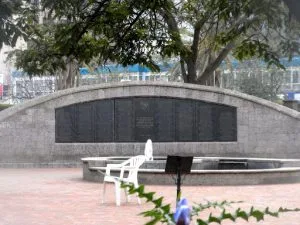
At the heart of the park is a striking memorial wall that lists the names of the 224 victims, both Kenyans and foreign nationals. The wall serves as a focal point, inviting visitors to pause, reflect, and remember those who lost their lives that fateful day. Each name etched into the stone represents a life filled with dreams, aspirations, and loved ones.
2. The Peace Garden
The Peace Garden is a beautifully landscaped area within the park, designed to promote healing and tranquility. It features a variety of indigenous plants and trees, creating a serene environment for visitors. Benches and shaded areas provide spaces for contemplation, allowing individuals to connect with their thoughts and feelings about the events commemorated here.
3. Educational Exhibits
The park is not only a memorial but also an educational space. Various exhibits and informational panels provide context about the attack, its aftermath, and the broader implications of terrorism. These resources aim to raise awareness about the causes of terrorism, the importance of peace, and the need for vigilance in the face of global threats.
4. The Children’s Memorial
In a particularly moving section of the park, a dedicated area honors the young lives that were lost in the attack. This children’s memorial serves as a reminder of the innocence taken away and the importance of nurturing a culture of peace for future generations. It is a somber yet hopeful space, emphasizing the need for a world where children can grow up free from fear.
5. The Sculpture
A prominent sculpture within the park symbolizes resilience and hope. Created by a local artist, the piece reflects the strength of the Kenyan spirit in the face of tragedy. The sculpture is a visual representation of the community’s determination to heal and move forward, reminding visitors of the power of unity and resilience.
Community Engagement and Activities
The August 7th Memorial Park is not just a static tribute; it actively engages the community through various programs and activities. The park hosts educational workshops, memorial services, and peace-building initiatives aimed at fostering dialogue and understanding among different communities. These events often attract a diverse audience, including school groups, local residents, and international visitors.
Educational Programs
One of the park’s primary missions is to educate the public about the impacts of terrorism and the importance of peace. Schools often organize field trips to the park, where students learn about the events of August 7, 1998, and discuss the broader implications of violence and conflict. The park also collaborates with NGOs and community organizations to facilitate workshops that promote conflict resolution and peace-building.
Commemorative Events
Every year, the park hosts commemorative events on the anniversary of the attack, bringing together survivors, victims’ families, government officials, and community members. These gatherings serve as a powerful reminder of the resilience of the human spirit and the importance of standing together against violence and hatred. Through speeches, prayers, and shared stories, participants honor the memories of those who were lost while reinforcing the commitment to peace.
The Role of the Memorial in Healing
The August 7th Memorial Park plays a crucial role in the healing process for many individuals and communities affected by the attack. For survivors and families of victims, the park offers a space to mourn and remember their loved ones. It serves as a sanctuary where they can connect with others who share similar experiences, fostering a sense of community and support.
Psychological Impact
The act of remembrance is vital for psychological healing. Visiting the memorial allows individuals to process their grief and reflect on the impact of violence on their lives. The serene environment of the park, coupled with its educational resources, provides a safe space for people to confront their emotions and find solace in shared experiences.
Challenges and Controversies
While the August 7th Memorial Park is a place of healing and remembrance, it has also faced challenges and controversies. Discussions around the funding, maintenance, and management of the park have occasionally sparked debate. Ensuring that the park remains a relevant and impactful space for education and reflection requires ongoing commitment from the government, NGOs, and the community.
Ongoing Relevance
In the years since its establishment, the park has had to adapt to changing contexts, including the evolving nature of global terrorism. As new threats emerge, the educational programs and exhibits within the park must remain relevant to inform and engage the public effectively. This adaptability is crucial for maintaining the memorial’s significance in a world where the fight against terrorism continues.
How about you visit the August 7th Memorial Park in Nairobi?
The August 7th Memorial Park stands as a powerful testament to resilience, remembrance, and the enduring human spirit. It honors the lives lost in a tragic event while promoting education and dialogue about the impacts of violence and the necessity of peace. As a space for reflection and community engagement, the park invites all who visit to remember the past, learn from it, and work towards a future free from the shadows of terrorism.
Through its various features and programs, the August 7th Memorial Park not only commemorates a dark chapter in history but also inspires hope for a more peaceful and united world. The lessons learned within its boundaries serve as a guiding light, reminding us of the importance of empathy, understanding, and resilience in the face of adversity.