
Visiting Masai Mara in June
Can I visit Masai Mara in June? Masai Mara National Reserve welcomes visitors all year round, thanks to its favorable weather conditions. June, like the rest of the months, is an ideal month to consider for exploring Masai Mara on a Kenya safari. June marks the start of the longest dry season or peak season in Masai Mara and Kenya at large. Visiting Masai Mara in June takes you on an unforgettable wilderness adventure with fewer disruptions,
The Weather of Masai Mara in June
June transitions to the longest dry season. In June, the Masai Mara can still be lushly green due to the late rains from May. The average daytime temperatures vary from 24 to 27 degrees Celsius Thus, offering pleasantly warm weather conditions. Conditions such as these are ideal for game drives. Visitors can safely embark on the mornings and evenings. But in the evenings, temperatures decrease to 10 to 12 degrees Celsius.
June falls within the peak dry season with reduced rainfall. Masai Mara tends to be less humid than in the rainy months. The reserve enjoys amazing weather conditions, making it the best for you to engage in outdoor excursions. The landscape in Masai Mara is characterized by lush greenery, while the skies can be clear, making it the best for game viewing.
Summary of the Masai Mara weather
- June marks the beginning of the peak dry season in Maasai Mara.
- Temperatures are warm during the day and can be cool in the morning/evening.
- Rainfall drastically reduces compared to the peak rainy season.
- Clear skies with excellent visibility for wildlife viewing are guaranteed.
What to see when you visit Masai Mara in June
Diverse attractions in the Masai Mara can be explored in June. These include wildlife and bird species. A huge profusion of these amazing species awaits you to explore on a Kenya tour in the Masai Mara.
Wildlife to Encounter
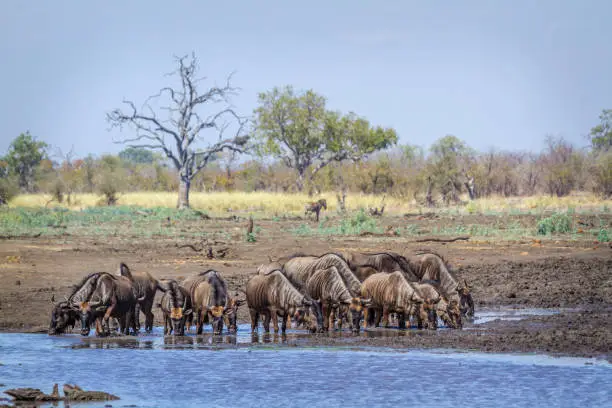
In June, you can encounter huge concentrations of wildlife. They include wildebeests, duikers, impalas, African bush elephants, giraffes, bat-eared fox, dwarf mongooses, cheetahs, African hares, oribis, dik-diks, Thompson’s gazelles, waterbucks, warthogs, cheetahs, impalas, copper-tailed monkeys, lions, rhinos, buffaloes, and leopards.
The birds
A great profusion of birds can be identified in Masai Mara. The reserve accounts for about 470 species of birds. They include broad-billed rollers, speckled mousebirds, black cuckoos, emerald-spotted wood-dove. Tambourine dove, African pygmy-falcons, African live pigeon, pennant-winged nightjars. Barn owl, Southern ground hornbills, blue-napped mousebirds, Pel’s fishing owl. Grey-headed kingfishers, Klaas’s cuckoos, Horus swift, spot-flanked barbet, and rufous-napped lark.
Masai Mara also holds birds such as Fischer’s sparrow larks, white-fronted bee-eaters, African grey-hornbills. Golden-tailed woodpeckers, Abyssinian scimitar bill, bearded woodpeckers, broad-billed rollers, black and white casqued hornbill.
About Masai Mara
Masai Mara is one of Kenya’s stunning destinations and is most popular for its enriching experiences, the Great Migration, and Big 5 game drives. Located in the Narok County, Southwestern Kenya, the Maasai Mara is a vast Protected Area. The Mara Reserve is 1510 sq. km and comprises of different regions or conservancy areas including the Mara Triangle, Ol Derkesi, Naikara, Lemek, Koiyaki, Mara North, Maji Moto, Siana, Ol Chorro Oirowua, and others. Masai Mara is drained by the Talek, Sand River, and Mara River.
What to do in Masai Mara in June
Game drives
Masai Mara offers unmatched guided game viewing experiences in June. The dry conditions make the game tracks passable. As a result, visitors can enjoy an excellent game drive excursion in the reserve with fewer worries of disturbances. On a game drive, expect to have clear sightings of big cats, big game –lions, elephants, leopards, buffaloes, rhinos, and other notable mammals like giraffes, impalas, elands, zebras, hartebeests, and bird species.
Birding
Birds of birders’ interest in Masai Mara include grey penduline tit, African fin-foot, Abdim’s storks, Jackson’s widow birds, Ayres’s hawk-eagle. Cinnamon-breasted bunting, Hildebrandt’s starlings, red-throated tit. Tabora cisticola, woolly-necked stork, Swahili sparrow, yellow-throated sandgrouse, Usambiro barbet, Temminck’s courser, saddle-billed storks, and others.
Nature walks
Masai Mara grows shorter vegetation but lushly green, making it the best for guided nature walking excursions. Guided nature walking introduces visitors deep into places hard to reach using a tourist vehicle.
Visitors can also enjoy cultural tours, which introduce you to the Maasai Village. The Maasai live adjacent to the reserve and offer authentic cultural experiences.
Why travel to explore Masai Mara in June
Exceptional game viewing
It is in June when several predators and resident species of animals can be spotted. A large concentration of savanna wildlife to explore here includes giraffes, hyenas, wildebeest, zebras, leopards, lions, African bush elephants, antelope families, rhinos, and many others.
Early wildebeest arrivals
Around late June, there is a possibility of spotting the wildebeest as the migration is in its initial stages. Game viewing in dry weather conditions – around June, Masai Mara records minimal rainfall, with most game tracks being passable.
Excellent photography experience
When you embark on a game viewing tour in June, you stand a chance to enjoy the best photography experience. The reserve’s landscape is characterized by clear vegetation, guaranteeing you an amazing photography vacation.
How to dress up for the Masai Mara tour in June
In June, the weather conditions tend to fluctuate. But early preparation is required, especially on how you should dress. Here is a checklist of what you should wear for a tour in the Masai Mara National Reserve.
Lightweight and breathable clothing –have yourself a comfortable long-sleeved shirts, trousers, and should be environmentally-friendly. The clothes you choose to wear should provide ultimate protection to you when it is warm or cold.
Get neutral colors –No specific type should be carried for the Masai Mara safari. You need clothes that match the natural environment to avoid scaring wildlife.
Warm layers –You need light sweater, a fleece jacket, and a windbreakers.
Comfortable safari shoes –Get good shoes and that be strong for hiking or walking tours. Don’t carry sandals for nature walks; they are good only for use in the safari camp or lodge.
Sun protection gear – Carry with you a safari hat, sunglasses, and a light scarf. You also need a rain jacket to protect you when it rains while you explore the Maasai Mara.
Other essential gear to carry for a memorable tour in Maasai Mara include sunscreen, a camera with good lens, insect repellent, power bank, relevant travel documents, and others.
Accommodation
Top accommodation options to stay in Masai Mara include Sala’s Camp, Fig Tree Camp, Loyk Mara Camp, Kichwa Tembo Tented Camp, Cottars Bush Village, Tipilikwani Mara Camp, Angama Mara, Mara Plains Camp, Kicheche Bush Camp, Royal Mara Safari Lodge, and Siana Springs Camps. In addition, Masai Mara has lodges or camps such as Elephant Pepper Camp, Mara Serena Safari Lodge, Fairmont Mara Safari Club, and Mahali Mzuri, etc.
Getting to Masai Mara for a Vacation
Access to Masai Mara is possible by road or air. Traveling by road takes about 6 hours for you to reach Masai Mara Reserve and we recommend a 4×4 safari car for your road trips. By air, you can fly from Nairobi to one of the multiple airstrips in and around Masai Mara Reserve. The main airstrips in Masai Mara include Ngerende Airstrip, Keekorok, Serena, Siana, Kichwa, Ol Kiombo Airstrip, and others. It is possible to reach the reserve through the gates such as Oloolaimutia gate, Oloololo, Talek, Sekenani, and Musiara gate.