
What and How Much to Tip in Uganda
Tipping, also known as gratuity in many parts of the world, is a culturally loaded practice that can cause uncertainty for travellers. In Uganda, tipping is appreciated and often expected in tourist-facing services, but the amounts and contexts vary by industry, region, and type of service. This article explains when to tip, how much to give, who typically receives tips, and practical tips for handling gratuities respectfully and efficiently during your trip to Uganda. It includes common travel situations (hotels, safari guides and drivers, gorilla trekking, restaurants, porters, and local guides) so you can budget and act confidently.

Why Tipping Matters in Uganda
Tipping supplements modest wages: Many people working in tourism and hospitality in Uganda earn low base salaries. A tip on Uganda safaris helps supplement the income for drivers, guides, hotel staff, and others whose livelihoods depend on tourism.
Recognition of service: A tip expresses gratitude for good service, local knowledge, and personal attention.
Local expectations: In larger towns and established tourist areas, tipping is more common and sometimes expected. In more remote or rural communities, tipping may be less formal but still welcomed when services are provided for tourists.
General Principles for Tipping in Uganda
Tip for good service: Unlike some countries where a Tip is mandatory, in Uganda, it is customary to tip for good service rather than as a strict obligation.
Use local currency (Uganda Shillings) or US dollars where indicated: Ugandan Shillings (UGX) are preferred for small tips to local staff. US dollars are widely accepted in tourist hubs and are often preferred for a larger tip (e.g., lead guides, lodge managers, Uganda gorilla trackers) because of stability and ease of transfer.
Carry small notes and coins: Some service workers cannot easily make change for large bills. Carry small denominations of UGX and USD.
Be discreet and personal: Hand tips directly and discreetly. Avoid leaving cash in communal tip jars unless that is clearly the accepted practice at the establishment.
Allocate tips in advance for tours: Many tour operators manage the pooling and distribution of tips among drivers, guides, lodge staff, trackers, and porters. Ask your operator in advance whether they handle tip distribution or if you should tip individuals directly.
How much should I tip on a Uganda Safari?
Airport Staff, Porters, and Security
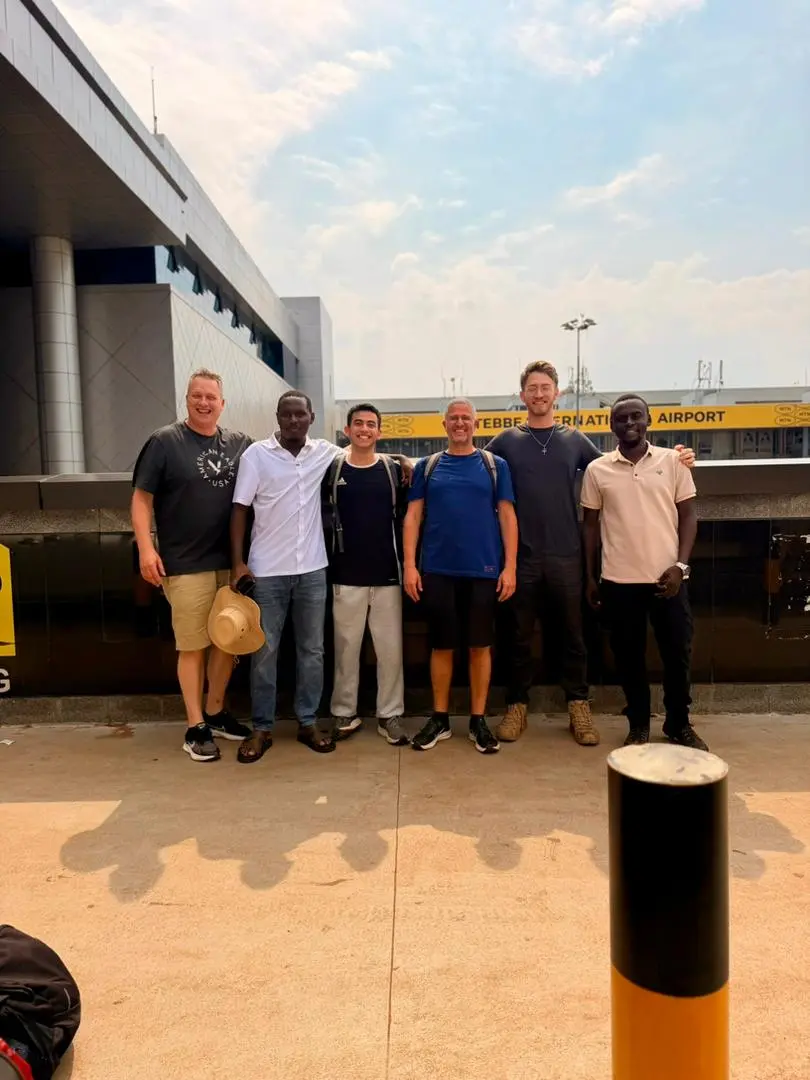
If a porter helps with luggage at Entebbe International Airport or smaller airports, tip UGX 2,000–5,000 (about $0.50–$1.25) per bag. For heavier or awkward luggage, tip toward the higher end. Security or helpers who perform non-official services may expect a small tip; UGX 1,000–2,000 is sufficient. Do not tip immigration or official customs officers; this is inappropriate and could be illegal. If you receive personalized service from an airline or lounge staff, tip according to service and local patterns – UGX 5,000–10,000.
Hotel Staff
For Bellhops/porters, UGX 2,000–5,000 per bag (or $0.50–$1.50). Increase for heavy luggage or exceptional service. Housekeeping, UGX 5,000–10,000 per night (about $1.25–$2.50). Leave daily or at the end of stay. If the concierge arranges special services (excursions, restaurant reservations, or last-minute logistics), tip UGX 10,000–20,000 ($2.50–$5) depending on complexity.
At the reception/front desk, usually no tip is expected for routine check-in/out. For exceptional assistance (e.g., arranging emergency services), a small tip or a thank-you gift is appreciated.
Hotel management and higher-level staff, tips are not typically expected, but if a manager goes above and beyond, a modest tip or an email of praise can be meaningful.
Restaurants and Cafés
Some restaurants add a service charge (often 10%) to the bill. Review your bill first; if a service charge exists, an additional tip is optional; you can leave small extra change for excellent service. If no service charge is included, tip 10%–15% of the bill for good service. For casual cafés or roadside eateries, leaving loose change or rounding up the bill is customary. In small local eateries or markets, tipping is not expected; a small token (UGX 1,000–2,000) or rounding up is a polite gesture if you received personalised service. For bartenders, tip UGX 2,000–5,000 per drink or 10% of the tab for attentive service.
Safari Guides and Drivers
Guide and driver tipping is one of the most important gratuities to plan for if you take a safari. Their income often depends heavily on tips from guests. For a private or small-group safari, tip a guide/driver US$10–$20 per person per day. For exceptional service, or where the guide provides specialist interpretation (photography, birding), tip US$20–$30 per person per day. If you have both a driver and a lead guide (common on some safaris), the total tip can be divided, e.g., US$15 per person per day, split between driver and guide or follow your operator’s suggested breakdown.
For larger group safaris, consider a pooled tip: US$10–$15 per person per day to be divided among the guiding and support staff. Present tips in an envelope or hand them to the lead guide with a note indicating they are for the guiding team; this facilitates fair distribution.
Gorilla Trekking, Chimpanzee Tracking, and Park Trackers
Gorilla trekking involves park trackers, rangers, porters, and sometimes habituation staff. Tips are an expected and valued part of the income for many trackers and guides. If your private guide or park tracker accompanies you, tip US$10–$20 per person per trek (more for exceptional service). Some visitors tip more, especially after a memorable trek; this is generous and appreciated.
Porters are available to assist trekkers carrying bags and provide support on difficult terrain. Tip UGX 10,000–20,000 (about $2.50–$5) per trek per porter. If porters help extensively, tip more. If a ranger offers special assistance, safe passage, or exceptional interpretation, a tip is appropriate; US$5–$15 depending on the situation. Many visitors leave a communal envelope at the lodge for trackers and porters; check with lodge management if they help distribute tips fairly.
Cultural Guides, Village Visits, and Community Experiences
For organised cultural experiences (dance performances, guided village walks), tip UGX 5,000–20,000 per person, depending on the length and depth of the experience. For group performances, a communal contribution for the troupe is appreciated, consider UGX 50,000–100,000 ($12–$25) divided among performers for small groups. Workshops and classes; if a guide teaches a hands-on activity (cooking, crafts), tip UGX 10,000–20,000 per person or a small amount in USD for extended private lessons.
Tour Operators and Lodge Staff Pools
Many lodges and tour operators have a staff tipping pool for distribution among housekeeping, cooks, waiters, gardeners, and other behind-the-scenes staff. If a pool exists, tipping at check-out or at the end of a multi-day safari is efficient. For a mid-range lodge, US$5–$10 per person per night; for luxury lodges, US$10–$20 per person per night. Confirm with lodge staff whether a pool exists and how tips are distributed.
Spa, Hairdressers, and Personal Services
Spa treatments and salons; tip 10%–15% of the bill for good service. For small establishments or individual therapists, a flat UGX 5,000–20,000 per service is appropriate.
Managing Tipping Logistics and Etiquette
Carry small denominations: Keep both UGX and small USD notes. Large USD bills may be hard to change for small local staff.
Ask your operator: If you are unsure how tips should be pooled or distributed on a safari or lodge stay, ask your operator or lodge manager. Many operators provide clear tipping guidelines.
Avoid tipping officials: Don’t tip immigration, customs, or police officers. If a uniformed official unofficially requests money, politely refuse and report the incident to your embassy or local authorities if needed.
Express gratitude verbally: A warm thank-you and a personal comment about excellent service mean a lot in addition to monetary tips.
Be culturally sensitive: In some rural areas, tipping may be unfamiliar. Offer small tokens or a modest tip with a brief explanation to avoid awkwardness.
Final Thoughts
Giving a Tip as gratitude in Uganda is a meaningful way to show appreciation and support the people who make your travel experience possible. While amounts vary by service, the guiding principle is to tip fairly for good service, use appropriate currency and denominations, and follow local and operator guidelines for pooled tips. Whether you’re staying in a city hotel, taking a scenic safari, visiting communities, or trekking to see gorillas, gratuities make a direct, tangible difference to many local workers’ livelihoods.
Preparing a small tipping budget before travel and carrying a mix of UGX and small USD bills will make tipping smooth and stress-free. Most importantly, pair tips with sincere thanks – your kindness and respect will be remembered long after you visit Uganda.