
What It’s Like to Go Gorilla Trekking in Rwanda
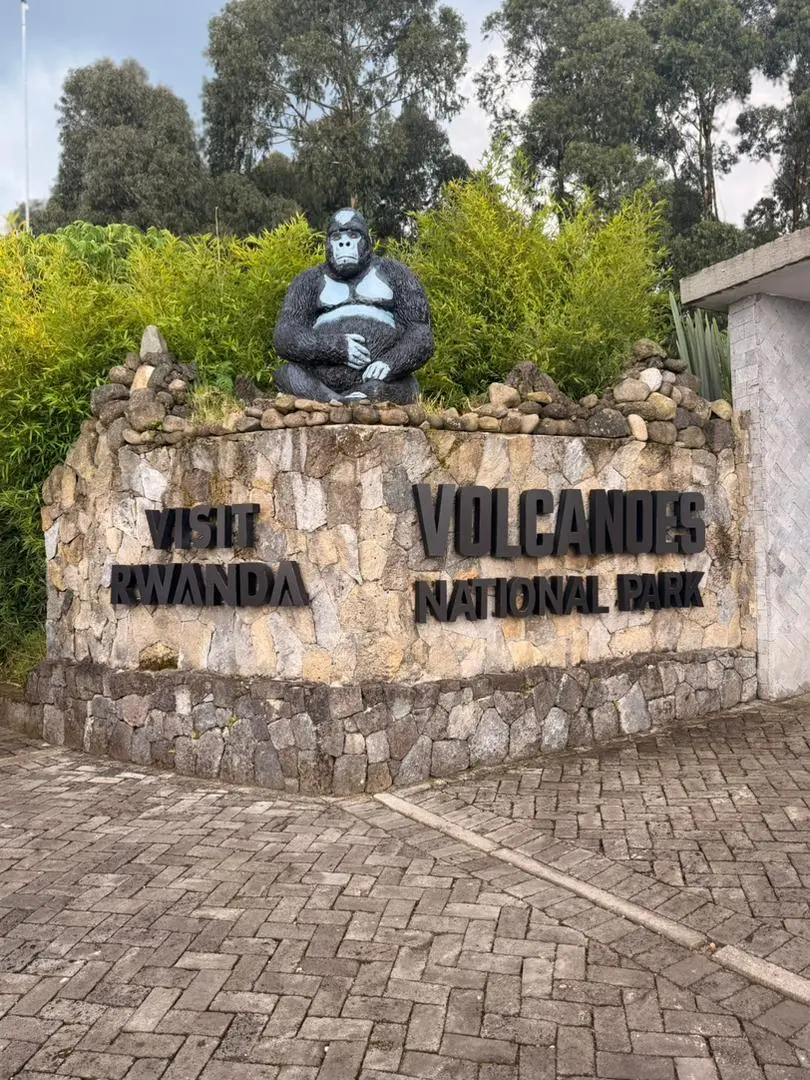
Rwanda has earned its place among the world’s most extraordinary places to travel because of what you can’t quite explain until you experience it. The country’s landscapes, mountain slopes covered in vegetation, misty valleys, and lush forests, feel almost alive. And then there’s the centrepiece of many Rwanda journeys: gorilla trekking. It is a nature encounter like no other, blending hiking, anticipation, conservation, and raw emotion into a single day that stays with you long after you return home. Volcanoes National Park is Rwanda’s main destination for all the Gorilla Epeditions.
But what does it actually feel like? Is it hard? Is it exciting? What are the moments in between? Gorilla trekking is often described as “life-changing,” but that phrase can become cliché unless you understand the rhythm of the experience: the trek itself, the silence and searching, the careful rules, and finally the encounter, when a distant rumour of animal behaviour becomes an immediate reality.
The Excitement Starts Early
On the day of your trek, your excitement usually begins long before you reach the trail. You may have slept with your clothes laid out, checked your bag twice, and practised what you’ll say to friends once you return: “You have no idea.”
For many travellers, the anticipation is heightened by the significance of what you’re doing. Mountain gorillas are endangered, and the trek is designed not just for visitors, but to protect wildlife and minimise disturbance. You’re not “on safari” in the typical sense, where you drive up to see animals. Instead, you earn the encounter by hiking into their habitat in a controlled, respectful way.

Meeting Rangers and Learning the Rules
Gorilla trekking in Rwanda is guided by trained rangers. Once you meet them, the briefing is more than logistics; it sets the tone. You will hear about safety, behaviour expectations, and why those guidelines matter.
- Keeping a respectful distance from the gorillas
- Staying quiet and calm once the gorillas are spotted
- Following your ranger’s instructions at all times
- Avoiding sudden movements
- Being aware that the gorillas are wild animals, not attractions
Even if you’ve done other wildlife activities, the rules here feel more serious. That’s because your presence isn’t just a “viewing experience.” In a forest full of sound and movement, you become part of the environment. The rangers act as translators of the situation: they help you understand when to move, when to pause, and when to simply observe.
Entering the Forest
Once you leave the trailhead and move into the gorilla habitat, everything feels different. The outside world fades. Leaves and branches absorb sound. The air becomes cooler and thicker with humidity. Depending on the season, you may hear rain on leaves or the steady drip of water from branches.
The forest has its own soundtrack: birds calling from above, insects humming, and occasional distant noises of other wildlife. But you’ll also notice something specific about gorilla trekking in Rwanda: your ranger will often encourage quiet focus. Even when you’re still walking, you’re mentally preparing for stillness. It’s a strange experience because you’re moving through dense nature while also feeling like you’re inside a museum exhibit designed by real life.
The Trek Itself: Slow, Wild, and Unexpected
People often imagine trekking means “just walking.” In reality, gorilla trekking in Rwanda means walking through changing terrain at a careful pace. You may encounter muddy patches, slippery slopes, uneven ground with roots or rocks, dense vegetation that narrows paths, and frequent stops while rangers track movements.
The trekking pace often feels controlled rather than energetic. That can be misleading: even if the distance doesn’t feel enormous, the effort can build because the terrain is uneven and the body has to constantly adjust. It’s not a sprint; it’s a sustained challenge of balance and endurance.
Some trekkers find the experience surprisingly manageable, especially if they are used to hiking. Others feel it more intensely, particularly if they’re not accustomed to hills, humidity, and long periods of careful movement.
The good part is that it’s not just “work.” Every step feels meaningful because you know you’re moving toward a real encounter, not a guaranteed destination you can see from the start. You’re walking into uncertainty, guided by expertise.
The Part Most People Don’t Expect
One of the defining aspects of gorilla trekking in Rwanda is the waiting. Not waiting idly, but waiting with purpose.
Rangers look for signs: tracks, feeding evidence, and sometimes fresh indicators of where gorillas might be. You may stop and stand still for long moments, listening. You may watch as the ranger checks the forest for movement.
This is often the most psychologically intense part. When you’re trekking, your goal feels clear: keep walking until you find them. But when you pause, you shift into a different kind of readiness, alertness mixed with patience. You are aware that something could happen at any moment.
And because the forest is thick, you might not see anything for what feels like a long time. Then, suddenly, you’ll notice the smallest change: a direction of movement, a rustle that wasn’t there before, a ranger gesture that tightens the air.
The Forest Changes Immediately
Hearing gorillas before seeing them is a memorable moment. Their presence changes the atmosphere. Often, what you notice first are sounds that come with scale, deep movements, calls or interactions that carry through the trees.
Even before you identify individuals, you can sense size and presence. It’s not like watching animals at a distance through a gate. It’s the feeling that a powerful creature is close and aware, because it is.
The ranger may signal for the group to move slowly or pause completely. The moment becomes highly focused: everyone’s movement becomes minimal, everyone’s eyes lock in the direction of the sound, and your brain shifts from “trekking” to “witnessing.”
The Gorilla Encounter
The first sight of a gorilla is often described in simple terms: big, real, surprising. But once your mind processes the image, the encounter becomes complex. Mountain gorillas aren’t robotic or perfectly posed. They behave like living animals in their habitat.
One of the most striking parts is the contrast between their power and their everyday behaviour. They’re powerful enough to reshape the ground with a movement, yet they can appear almost thoughtful or relaxed as they pick through leaves and stems.
You’ll probably feel a mix of emotions: joy, awe, and protectiveness. Many people describe their experience as peaceful rather than thrilling in the usual sense. It can feel like observing something ancient and intimate at the same time.
Photographs can’t fully capture it because the experience includes smell, sound, motion, and the feeling of being close to something that is not performing for you.
How Long You Stay with the Gorillas
Your time with the gorillas is limited for conservation and safety. When the moment comes, it can feel both short and long, short because you want more, long because you’re standing still, watching carefully, and trying to absorb everything at once.
When you’re finally asked to move away, it can feel like waking up from a dream. The forest may feel a little different afterwards. You might realise you’ve been holding your breath, speaking quietly when you shouldn’t, or moving too stiffly because you were scared of missing something.
Gorilla trekking in Rwanda isn’t just a challenge you overcome. It’s a connection you experience, between humans and wild animals, between curiosity and responsibility, and between a traveller and a moment that can’t be recreated anywhere else.