

Why Double Gorilla Trekking Is Better Than Habituation
If you’re planning a gorilla experience in the wild, you’ll likely come across two main options: gorilla trekking (often sold as “double trekking” in certain packages) and habituation gorilla experiences. Both offer unforgettable moments with the majestic mountain gorillas of East Africa, but they are fundamentally different in structure, duration, and what you’re actually doing in the forest.
In many travellers’ minds, the question isn’t just “Which one is better?” but “Which one will give me the best overall experience?” The answer often comes down to one key idea: trekking with gorillas two times generally offers more value, more certainty, and more chances for extraordinary encounters than habituation experiences.
Below is a detailed look at why double gorilla trekking is often the superior choice for many travellers compared to habituation.
You get more opportunities to see gorillas in their natural behaviour
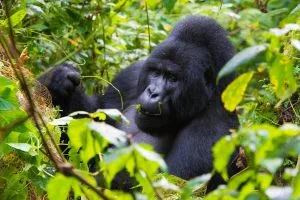
Double gorilla trekking typically means you take part in two separate gorilla trekking days. That alone creates an advantage: you’re not relying on a single encounter.
Gorilla sightings are influenced by many factors beyond anyone’s control – gorilla movement patterns, weather, forest conditions, and how quickly a group comes near the trail. On one trek, the trackers might find a group quickly; on another, the gorillas may be deeper in the forest. But with two trekking attempts, you reduce the odds of having a less-than-ideal encounter.
In contrast, habituation involves spending time with gorillas that are still being trained to tolerate human presence. While that can be deeply meaningful, it can also mean that the encounter style is different, often with longer, slower sessions and more “learning over time” rather than a single dramatic trek to a fully wild-feeling family group.
Double trekking is often more efficient for travellers with limited time
Most people planning a gorilla trip are working within a schedule: work leave, family commitments, travel logistics, and flight bookings. Gorilla tourism is expensive, and travellers usually want to maximise what they can do with their available days.
A habituation experience can take a substantial block of time (and may require additional days in the itinerary) because you’re participating in a structured process that can last longer and may include additional briefing and tracking components.
Double gorilla trekking, while still demanding, typically fits well into common travel timetables, especially if you are already planning a short safari circuit. You may be able to add a second trekking day without drastically altering your route.
Better chances for photography and clear observations
Many travellers go to see gorillas not only for the awe of being there, but also to capture the experience through video, photography, or simply detailed observation.
With double gorilla trekking, you are more likely to experience:
- a different gorilla group on each day (depending on how the itinerary is arranged),
- different positions and behaviours (feeding, resting, moving, playing, social interaction),
- and different sighting distances and angles depending on where the group is found.
Even if the gorilla group behaviour remains similar, the variation between two treks tends to be greater than the variation between a single habituation session and its structured timeline.
Habituation can absolutely provide excellent chances for learning and close-up observation, but it’s not always guaranteed to deliver the same “big moment” variety that two trekking days often do.
The experience feels more like classic gorilla trekking
Traditional gorilla trekking is widely loved because it feels like a real encounter with wild animals. Trekking is unpredictable, the forest is alive, and when you finally reach the gorilla group, the moment can feel like a breakthrough.
Double gorilla trekking retains that spirit twice. You may still feel the emotional intensity of “we found them!” in both mornings, and you may get two distinct “first contact” moments.
Habituation is also incredibly moving, but the emotional tone can differ. It often feels more like participating in a conservation process, watching animals adapt to human presence gradually. That’s meaningful, but it’s not always the same as experiencing mountain gorillas as they roam fully on their own terms during a typical trekking encounter.
For many travellers, the wildness—and the dramatic discovery involved in trekking—makes double trekking the more thrilling overall experience.
It often provides greater overall value for your investment
Gorilla safaris are not cheap. When you pay for a trip that includes park fees, permits, guides, and logistics, you want the experience to justify the cost.
Double gorilla trekking generally offers more guided time with experienced trackers, two permit-backed encounters, more time in the forest learning how gorilla groups live, and more chances to see gorillas in different behaviours.
Habituation can be an excellent value as well, especially for travellers who deeply prioritise conservation learning and extended exposure. But if your primary goal is to maximise the likelihood of outstanding gorilla sightings, double trekking tends to win in terms of quantity of high-quality encounters.
You can plan around fitness and comfort with more flexibility
Gorilla trekking can be physically challenging. The forest may be steep, muddy, and unpredictable. Some travellers handle it well, while others may find the terrain tough.
With double trekking, you’re still doing two treks, but you can sometimes distribute your physical effort more comfortably across separate days. Habituation often involves a longer or more structured time commitment in a single block, which may be harder for travellers who prefer shorter, more defined activities. Also, if something unexpected affects one trek day, like heavy rain, illness, or a delayed start, you still have a second day that may allow you to recover and enjoy a successful gorilla encounter.
Habituation offers a different kind of meaning, but it’s not always what every traveller wants.
To be fair, habituation is not “worse.” In fact, habituation is one of the most important conservation activities supporting long-term gorilla survival and responsible tourism.
Habituation participants help gather data and learn about gorillas that are becoming accustomed to humans. Over time, this can open the door for more people to experience gorillas while maintaining safety and protecting the animals’ natural behaviour.
However, the “best” option depends on what you value most. If you want a classic trekking adventure and the thrill of finding wild gorillas, double trekking often matches that desire more directly. If you want a deeper conservation learning process and an extended observational experience, habituation can be the better fit.
So the advantage of double trekking isn’t that habituation lacks value; it is that double trekking is often more aligned with what many tourists consider the ideal gorilla trip.
You are more likely to encounter a group with strong “activity”
Gorillas do not always behave the way we hope at the exact moment we arrive. Sometimes they are feeding quietly; other times they may be moving, interacting, grooming, or displaying social behaviours.
Because double trekking gives you two separate chances, it increases the likelihood that at least one of the treks will happen during a more active period.
Even if both days include calm moments, the probability of seeing a range of mountain gorilla behaviors across two days tends to be higher than in a single habituation session, where the schedule and gorilla behaviour might be more constrained by the habituation structure.
Conclusion
Both double gorilla trekking and habituation are exceptional ways to experience mountain gorillas. Habituation offers an educational, conservation-centred encounter with deeper long-term significance. But when it comes to maximising sightings, variety, emotional impact, and overall value, double gorilla trekking often stands out as the better option for most travellers.
With two trekking days, you gain more opportunities, reduce disappointment, increase the likelihood of strong gorilla activity, and create a richer safari memory that feels both wild and complete.