Why Gorilla Trekking in Rwanda is Worth the Price
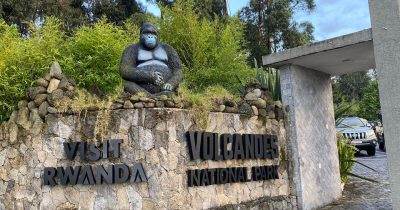
Gorilla trekking in Rwanda is often celebrated as one of the most exhilarating and unforgettable experiences in the world. Those who embark on this adventure find themselves amidst the majestic mountain gorillas of Volcanoes National Park, gaining a rare opportunity to observe these magnificent creatures in their natural habitat. However, the trek comes at a cost, and many potential travellers wonder if it is truly worth the price. This article explores the reasons why the Price of gorilla trekking in Rwanda is not only an investment in adventure but also a contribution to conservation and local communities.
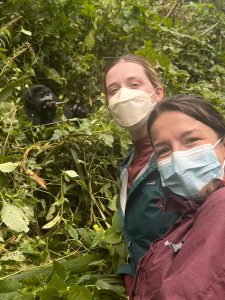
The Exclusivity of Gorilla Trekking in Rwanda
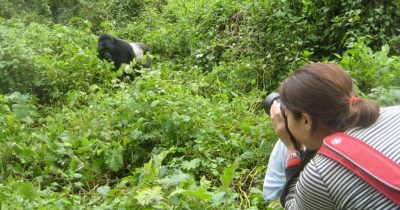
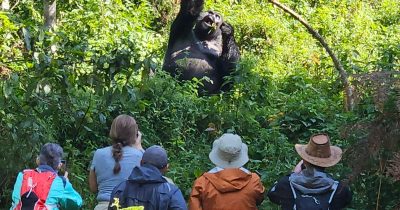
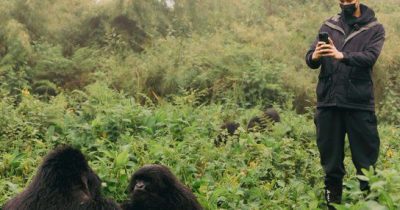
One of the primary factors that justify the cost of a gorilla trekking permit is the exclusivity of the experience. With only about 1,000 mountain gorillas remaining in the wild, the opportunity to see them up close is rare. Rwanda has made significant efforts to protect these animals, leading to a limited number of permits issued each day (typically around 96 permits), resulting in small, controlled groups of trekkers. This restriction ensures that your experience is special and intimate, enhancing the quality of interactions with these gentle giants.
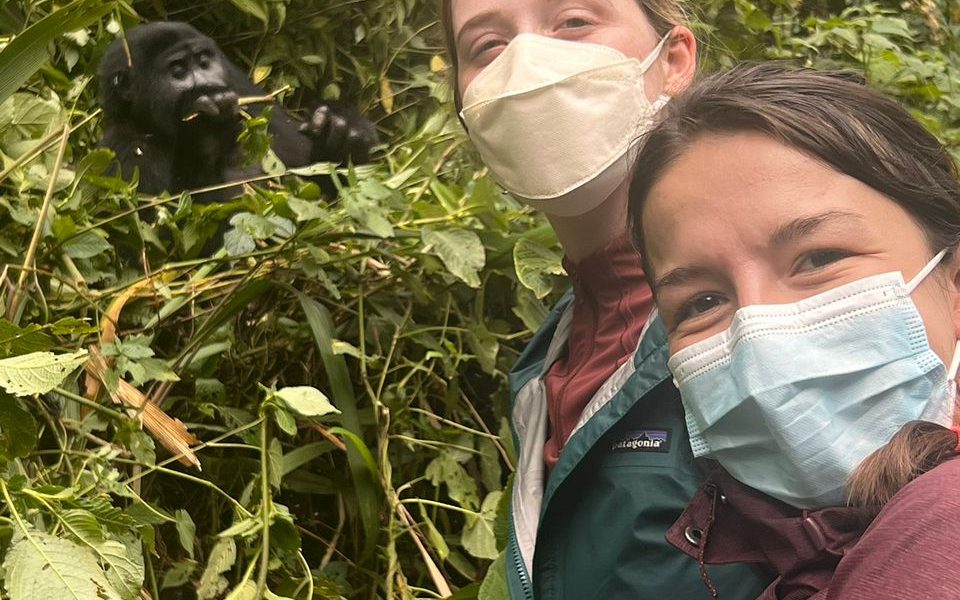
Gorilla trekking offers a one-of-a-kind encounter that is hard to match anywhere else in the world. Observing gorillas in their natural environment. Watching them interact, play, and care for their young provides profound emotional and educational experiences. Many trekkers describe this as life-changing and transformative, emphasising the value of the personal connection formed during the encounter.
Contribution to Conservation Efforts
The high price of gorilla trekking permits in Rwanda plays a crucial role in the conservation of mountain gorillas and their habitats. The revenue generated from these permits is reinvested in conservation efforts, anti-poaching patrols, and habitat restoration projects. This funding directly contributes to increasing the gorilla population over the years, showcasing how tourism can be a powerful force for wildlife preservation.
Rwanda has developed a community-centric conservation model, where local communities benefit from tourism. The proceeds from gorilla trekking help fund education, healthcare, and sustainable development initiatives for nearby villages. By trekking to see the gorillas, you are actively supporting these communities and encouraging them to participate in conservation efforts, as they recognise the value of protecting these animals.
The Beauty of Rwanda’s Landscape
Rwanda, often referred to as the “Land of a Thousand Hills,” offers breathtaking landscapes that enhance the trekking experience. The lush, green hills, rolling mountains, and vibrant flora and fauna create a picturesque backdrop for the adventure.
Aside from the gorillas, Volcanoes National Park is home to a wide variety of wildlife, including golden monkeys, bird species, and unique plant life. The diversity of ecosystems adds richness to the trekking experience, and many trekkers choose to engage in additional activities like hiking, bird watching, and cultural experiences in nearby villages.
Engaging with Local Communities
Gorilla trekking is not just about the gorillas. It is also an opportunity to connect with Rwanda’s rich culture. Many Rwanda Gorilla trekking tours incorporate visits to local villages where travellers can learn about Rwandan traditions, crafts, and daily life. This cultural immersion enhances your experience and provides valuable insights into the lives of the people who coexist harmoniously with the mountain gorillas.
Understanding the historical context of Rwanda, particularly how the country has emerged from the tragedies of the past, adds depth to your visit. Many travellers feel inspired by the resilience of the Rwandan people and their commitment to building a brighter future. Trekking contributes to this ongoing narrative of hope and recovery.
Personal Growth and Transformation
Embarking on a gorilla trek is often described as a journey of self-discovery. The trek itself can be physical and challenging, requiring determination and perseverance. Overcoming these obstacles allows travellers to reflect on their personal strengths and boundaries, leading to a sense of accomplishment and empowerment.
Spending time with the mountain gorillas can evoke deep emotional responses. The connection formed with these creatures (who share a remarkable 98% genetic similarity with humans) can lead to a greater appreciation for wildlife and the importance of conservation. Many trekkers report feeling a renewed sense of purpose and a commitment to environmental causes after their experience.
Planning and Preparation for Gorilla Trekking in Rwanda
Value of Expertise
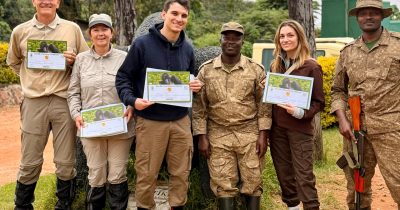
When you invest in a gorilla trekking experience, you benefit from the knowledge and expertise of trained guides who lead the treks. These guides are not only familiar with the terrain but also possess in-depth knowledge about gorilla behaviour, ecology, and conservation efforts. Their insights enrich the trekking experience and ensure that travellers get the most out of their encounter with the gorillas.
Comprehensive Itinerary Options
Many tour operators offer well-planned itineraries that include airport transfers, accommodation, meals, and additional activities. This comprehensive approach simplifies the travel logistics for visitors, providing seamless experiences that maximise enjoyment. While the initial price may seem high, the overall value and convenience of an organised trip can be substantial.
Health and Safety Regulations
Rwanda has strict health and safety regulations in place to protect both trekkers and gorillas. These include guidelines to minimise the risk of disease transmission, such as limiting group sizes, maintaining safe distances from gorillas, and enforcing health screenings for trekkers. This commitment to safety ensures a secure and responsible trekking experience, giving visitors peace of mind.
Support from Local Authorities
The Rwandan government actively manages conservation and tourism efforts, ensuring that the gorillas are protected and that conservation-related policies are enforced. This level of support contributes to a safe trekking environment and enhances the overall reputation of Rwanda as a prime eco-tourism destination.
Additional Costs
Beyond the permit fee, travellers should budget for additional expenses, such as accommodation, meals, transportation, and optional activities like cultural visits or community tours. However, many consider these to be worthwhile investments that enhance the overall experience.
Environmental Education and Awareness
Gorilla trekking serves as an important platform for raising awareness about conservation issues and the challenges faced by endangered species. By participating in this experience, trekkers become ambassadors for wildlife conservation, sharing their experiences and insights with others upon returning home.
Investing in gorilla trekking also supports educational initiatives aimed at inspiring future generations to take part in conservation efforts. This ongoing commitment to environmental stewardship is essential for ensuring the survival of mountain gorillas and their habitats.
Conclusion
Gorilla trekking in Rwanda is undoubtedly a significant financial commitment, but the myriad benefits far outweigh the price. From the once-in-a-lifetime experience of encountering mountain gorillas to contributing to crucial conservation efforts and supporting local communities, the value of this adventure is profound. The personal growth, emotional connections, and unforgettable memories created during the trek make it more than just a vacation. It becomes a transformative journey that has lasting impacts on both the individual and the environment.