
Wild Dog Tracking in Nyerere National Park
Wild dog tracking in Nyerere National Park offers one of Tanzania’s most exciting wildlife experiences. Also known as African wild dog tracking or painted dog tracking, this specialist safari focuses on finding one of Africa’s most fascinating and endangered predators in its natural habitat. Unlike traditional game drives that concentrate on lions, elephants and other large mammals, wild dog tracking rewards patience, expert guiding and an understanding of animal behaviour.
Located in southern Tanzania, Nyerere National Park protects an enormous wilderness of woodlands, open plains, wetlands and the spectacular Rufiji River system. The park is particularly renowned for its African wild dogs, making it an excellent destination for travelers who want to explore beyond Tanzania’s better-known northern safari circuit.
A wild dog safari can also be combined with boat safaris, walking safaris, elephant viewing and other wildlife experiences. With the right itinerary, visitors can explore Nyerere before continuing to Ruaha National Park, Mikumi National Park, Zanzibar or even the famous Serengeti ecosystem.
At Native Africa Tours, we can help travelers plan a Tanzania safari around wild dog tracking, suitable accommodation, domestic flights and complementary wildlife destinations.
What Is Wild Dog Tracking in Nyerere National Park?
Wild dog tracking is a guided wildlife experience in which visitors search for African wild dogs while exploring their natural habitat. Rather than following a fixed route or visiting a single wildlife-viewing point, guides use their knowledge of the terrain, animal movements and recent sightings to locate packs.
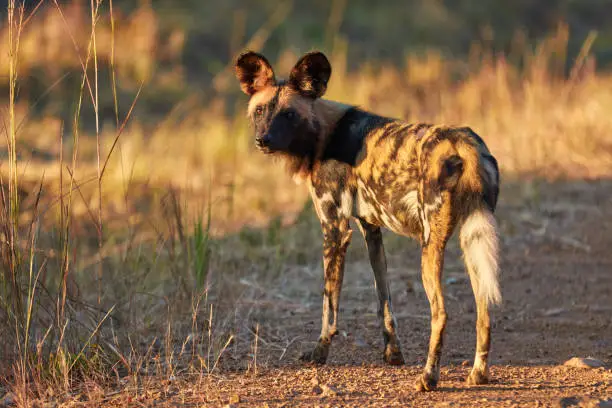
African wild dogs (Lycaon pictus) are highly social carnivores that live in packs led by a dominant breeding pair. They are known for their distinctive mottled coats, large rounded ears, remarkable endurance and cooperative hunting techniques.
Unlike lions, which may spend long periods resting in one place, wild dogs can travel considerable distances while searching for prey. Their movements depend on food availability, pack dynamics, seasonal conditions and, during the breeding period, the location of their den. This makes tracking an unpredictable but rewarding experience. Visitors may encounter a pack resting in the shade, moving through woodland, communicating with one another or preparing for a hunt.
Nyerere National Park is especially attractive to wildlife enthusiasts because it combines extensive wild dog habitat with a rich variety of other wildlife. Even when the dogs remain elusive, game drives can reveal elephants, giraffes, buffaloes, impalas, zebras, lions, hyenas and numerous bird species. It is important to understand that wild dog tracking is not a guaranteed sighting experience. Wildlife moves freely, and responsible guides must respect the animals’ behaviour and the park’s conservation regulations.
Why Is Nyerere National Park One of the Best Places for Wild Dog Tracking in Tanzania?
Nyerere National Park is one of Tanzania’s major wilderness destinations and a particularly important stronghold for African wild dogs. Its extensive natural landscapes provide the space, prey populations and habitat variety that these predators need. The park forms part of the greater Selous ecosystem, historically known for its exceptional wildlife populations and vast, relatively undeveloped wilderness. Several factors make Nyerere an attractive destination for a specialist wild dog safari.
1. Extensive Wild Dog Habitat
African wild dogs need large areas in which to hunt, travel and raise their young. Nyerere’s combination of miombo woodland, grassland, floodplains and riverine vegetation provides a variety of suitable habitats. These landscapes support prey species such as impalas and other antelopes. Wild dogs may move between woodland hunting grounds and areas where prey gathers around water. The scale of the ecosystem also makes Nyerere appealing to travelers seeking a more remote safari experience.
2. Opportunities to Observe Pack Behaviour
Finding wild dogs is exciting, but observing their social behaviour can be even more memorable. Depending on the circumstances, visitors may see pack members greeting one another, grooming, resting together or coordinating their movements before heading out to hunt.
During the breeding season, adults may travel away from a den to find food and return to feed young pups. Such observations offer insight into the cooperation that helps wild dogs survive. Guides should maintain a respectful distance and avoid disturbing the animals, particularly around den sites.
3. Excellent General Wildlife Viewing
A specialist wild dog safari does not have to focus exclusively on one species. Nyerere supports a broad range of wildlife, including elephants, lions, leopards, spotted hyenas, hippos, crocodiles, giraffes and numerous antelope species. This diversity means travelers can combine predator tracking with traditional African game drives.
4. Unique River and Woodland Landscapes
The Rufiji River and its surrounding wetlands are among the park’s defining features. Seasonal water sources attract wildlife and support an impressive range of birds. Beyond the river, extensive woodlands and open areas create different wildlife-viewing environments. This diversity gives each game drive a different character. The Tanzania National Parks Authority identifies Nyerere as an important destination for wild dogs, boat safaris, guided walking safaris and conventional game drives.
Best Time for Wild Dog Tracking in Nyerere National Park
The best time to visit Nyerere for wild dog tracking depends on your priorities, including the possibility of observing denning behaviour, general wildlife viewing, weather and accommodation availability. For travelers specifically interested in wild dogs, the dry season from June to October is generally a strong period to consider.
June to August: A Particularly Interesting Period
June, July and August can be especially rewarding because wild dogs in parts of the ecosystem may be denning. During this period, breeding females give birth, often in abandoned burrows, and packs may remain in the general vicinity while the pups are young. This can make their movements easier for experienced guides to follow than when the pack ranges widely. Visitors may have opportunities to observe adults leaving to hunt and returning to the den area. However, den locations vary between years, and not every pack follows the same timetable. July and August are particularly worth considering for travelers hoping to learn about wild dog family life.
Important: Denning is a natural process, not a scheduled tourist attraction. A pack may not be denning near an accessible safari area during your visit. Guides must also follow applicable wildlife-viewing rules and avoid disturbing pups.
September to October: Dry-Season Wildlife Viewing
September and October can also offer excellent wildlife viewing. As the dry season progresses, vegetation may become less dense, improving visibility in many areas. Wildlife increasingly concentrates around remaining water sources, although conditions vary across the park. Wild dogs may be more mobile after the denning period, making their location less predictable. Nevertheless, these months offer opportunities to look for hunting packs while enjoying excellent general game viewing. October can be hot, so early morning and late-afternoon game drives are particularly useful.
November to May: The Green Season
The green season brings changing landscapes, fresh vegetation and excellent birdwatching opportunities. Wild dog sightings remain possible, but thicker vegetation can make animals harder to spot. Rainfall may also affect road conditions, accessibility and the operation of individual camps.
Some accommodation properties operate seasonally, so travelers should confirm opening dates and transport arrangements before booking. The green season may appeal to visitors who prefer greener scenery and a quieter atmosphere. However, anyone planning primarily around wild dogs should discuss current conditions with a specialist safari operator before choosing dates.
Which Month Should You Choose?
If wild dog tracking is the main purpose of your trip, consider June to August first, particularly if observing denning behaviour is important to you. September and October are also attractive alternatives for dry-season wildlife viewing. Rather than relying on a particular month alone, ask your safari operator about recent pack movements, current denning information, camp locations and the time available for game drives.
Where to Find African Wild Dogs in Nyerere National Park
Nyerere is vast, and not every part of the park offers the same practical opportunities for visitors. The northern photographic safari areas, including the region around the Rufiji River and associated lakes, are particularly relevant when choosing a camp for wildlife viewing. The exact areas used by wild dogs can change, however, and a map cannot reliably predict where a pack will be on a given day.
The Rufiji River and Northern Safari Areas
The Rufiji River system is a useful reference point when planning a Nyerere safari. The surrounding landscape contains riverine vegetation, open woodland, floodplains and seasonal water sources. These habitats support a wide range of wildlife, including predators and their prey. Staying at a camp with convenient access to suitable game-drive areas can reduce time spent transferring between locations and allow more time for tracking.
Lake and Woodland Habitats
The lakes and surrounding woodland provide additional wildlife-viewing opportunities. Antelope and other herbivores use these landscapes, while water sources attract birds and larger mammals. Wild dogs may move through these areas while hunting or travelling between different parts of their range. The best base will depend on the current distribution of wildlife and which areas your camp’s guides can access legally.
Why Local Guiding Matters
Wild dog tracking is different from visiting a known viewpoint. Experienced guides interpret tracks, alarm calls, animal behaviour and information from other authorized guides to decide where to search. Even with excellent guiding, there may be days when a pack cannot be found. Choosing a camp with experienced guides and allowing several game drives improves your opportunities without guaranteeing a sighting.
What to Expect During a Wild Dog Tracking Safari
A typical wild dog tracking safari combines early-morning and afternoon game drives, with time for other wildlife activities between excursions. The exact schedule depends on your lodge, the season, current wildlife information and whether your safari is private or shared.
Early-Morning Game Drives
Early morning is one of the best times to search for wild dogs because temperatures are cooler and many predators are active. Your guide may follow suitable tracks, investigate recent sightings or search areas where wild dogs have been observed. If a pack is found, you may have time to photograph it resting, moving through the bush or interacting socially. Occasionally, visitors may witness hunting behaviour, although actual hunts are unpredictable and should never be staged or encouraged.
Afternoon Game Drives
Late afternoon offers another opportunity to search for wild dogs as temperatures begin to fall. These drives also provide excellent opportunities to photograph elephants, giraffes, antelopes and other wildlife in warm natural light. The combination of morning and afternoon drives increases the amount of time available to search for a pack.
Boat Safaris on the Rufiji River
One of Nyerere’s most distinctive experiences is a boat safari on the Rufiji River and associated waterways. From the water, visitors can observe hippos, crocodiles, waterbirds and elephants along the banks where conditions permit. Boat safaris are not a substitute for wild dog tracking, but they add variety to a wildlife itinerary and make Nyerere different from many traditional savannah destinations.
Guided Walking Safaris
Walking safaris provide a more intimate way to experience the bush. Accompanied by authorized guides or rangers as required, visitors learn to recognize tracks, plants, insects and smaller details that can be overlooked from a vehicle. Walking activities are subject to local regulations, safety conditions and guide approval. They should not be treated as a way to approach wild dogs on foot.
Photography and Wildlife Observation
Wild dogs are fascinating photographic subjects because of their coat patterns, large ears and coordinated pack behaviour. A camera with a useful telephoto lens, binoculars and patience can make a considerable difference to your experience. Early morning and late afternoon usually provide attractive light. Always follow your guide’s instructions about positioning, vehicle movement and the appropriate distance from wildlife.
How Many Days Do You Need for Wild Dog Tracking?
The number of days you need depends on whether wild dogs are your main priority or part of a wider Tanzania safari.
Two Nights: A Short Wildlife Experience
Two nights can work for travelers combining Nyerere with Zanzibar or Dar es Salaam. It allows time for several game drives and potentially a boat safari. However, it offers limited flexibility if wild dogs are difficult to locate.
Three Nights: A Good Starting Point
Three nights is a sensible starting point for travelers who specifically want to search for wild dogs. It provides more opportunities for morning and afternoon drives and allows your guide to adjust the search based on recent sightings. For many visitors, three nights offers a useful balance between tracking time, other activities and overall safari cost.
Four to Five Nights: A More Immersive Safari
Four or five nights is worth considering for wildlife photographers, dedicated wild dog enthusiasts and travelers who want a slower-paced experience. The extra time allows for repeated tracking attempts, longer wildlife observations and a more varied programme of game drives, boat safaris and walking activities. No length of stay guarantees a sighting, but additional time creates more opportunities to encounter the animals.
Where to Stay for Wild Dog Tracking in Nyerere National Park
Choosing suitable accommodation is an important part of planning your safari. The location of a camp can influence transfer times, access to game-drive areas and the overall experience. Below are several established accommodation names travelers can investigate when planning a Nyerere itinerary. Availability, operating seasons and inclusions should be confirmed for the specific travel dates.
Lake Manze Tented Camp
Lake Manze Tented Camp is a rustic tented accommodation option associated with the Lake Manze area. Its natural setting appeals to travelers looking for a traditional bush experience rather than a conventional hotel environment. The surrounding region provides opportunities for game drives and wildlife observation. It is worth considering for visitors who prefer a close-to-nature safari atmosphere.
Siwandu
Siwandu is a tented safari camp in the Lake Nzerakera area. It is a useful option for travelers seeking a more comfortable camp experience while remaining immersed in the Nyerere wilderness. The lake setting also complements the park’s boat-safari opportunities.
Roho ya Selous
Roho ya Selous is another tented camp associated with the park’s northern and lakeside safari areas. It may suit travelers seeking a small-camp atmosphere with access to guided wildlife activities.
Rufiji River Camp
Rufiji River Camp is an option for travelers interested in staying near the Rufiji River. Its location makes it relevant to itineraries that combine conventional game drives with river-based wildlife viewing.
Serena Mivumo River Lodge
Serena Mivumo River Lodge is a more upscale riverfront option. It may appeal to travelers who want to combine wildlife experiences with additional comfort and scenic river views.
Beho Beho
Beho Beho is a well-known safari lodge in the wider Nyerere ecosystem, associated with the park’s western and higher-ground areas. It is worth considering for visitors interested in a distinctive safari setting and guided wilderness activities.
How to Choose the Right Camp
When selecting accommodation for wild dog tracking, consider the following:
-
Location: Ask which wildlife-viewing areas the camp accesses and which airstrip serves it.
-
Guiding: Find out whether experienced guides are available for extended wild dog searches.
-
Activities: Check whether game drives, boat safaris and walking activities are included or charged separately.
-
Seasonality: Confirm that the camp will be open during your travel dates.
-
Budget: Compare the full package price, including accommodation, meals, transfers, park fees and activities.
-
Recent sightings: Ask for realistic information about current wild dog movements without expecting a guarantee.
A luxury camp is not automatically the best place to see wild dogs. For a specialist safari, location, guiding quality and time in the field can matter more than the accommodation category.
How to Get to Nyerere National Park
Nyerere National Park is accessible by air and road, although the most convenient option depends on your starting point, accommodation and travel budget.
Flying from Dar es Salaam
Flying is one of the easiest ways to reach Nyerere. Scheduled and charter safari flights connect Dar es Salaam with airstrips serving different parts of the park. The flight is commonly around an hour, depending on the route and stops. Relevant airstrips include Mtemere, Siwandu and others serving particular camps and sectors. Not every flight serves every airstrip, so your accommodation and flight itinerary must be coordinated. For travelers with limited time, flying can reduce the travel burden and provide more time for wildlife activities.
Flying from Zanzibar
Nyerere can also be incorporated into a Zanzibar holiday using suitable domestic safari flights. This combination works particularly well for travelers who want several days of wildlife viewing followed by a beach holiday. Flight schedules vary by season and operator. Confirm baggage limits, departure times and the relevant camp transfer arrangements before booking.
Traveling by Road from Dar es Salaam
Road access is possible from Dar es Salaam, commonly via the Kibiti area toward the park’s eastern access points. The journey is long and may take approximately five to seven hours or more, depending on the destination, road conditions, traffic and the state of the final unpaved sections. A suitable 4×4 vehicle is advisable, particularly when road conditions are difficult. Travelers should not assume that every camp is equally accessible from the same gate. Confirm the route with your safari operator before deciding whether to drive or fly.
Which Option Is Best?
Flying is generally preferable for visitors prioritizing convenience, comfort and time in the park. Road travel can suit travelers on a more flexible itinerary or those combining destinations by land. For wild dog tracking, the most important consideration is not simply reaching Nyerere. It is choosing an appropriate camp and allocating enough time for game drives.
Combining Wild Dog Tracking with Other Tanzania Safari Destinations
One of the strongest reasons to visit Nyerere is its potential to form part of a broader Tanzania itinerary.
Nyerere and Ruaha National Park
Ruaha National Park is one of the best destinations to consider alongside Nyerere for a southern Tanzania safari. It offers vast landscapes, large elephant populations, excellent predator viewing and a different ecological setting from the Rufiji River system. Combining the two parks provides a broader understanding of Tanzania’s southern wilderness and allows travelers to experience different habitats. A fly-in itinerary is often the most convenient approach, subject to available flights and the chosen camps.
Suggested itinerary: 6 days
-
Day 1: Fly to Nyerere National Park and enjoy an afternoon game drive.
-
Days 2–3: Wild dog tracking, game drives and a boat safari.
-
Day 4: Fly to Ruaha National Park.
-
Day 5: Explore Ruaha on morning and afternoon game drives.
-
Day 6: Enjoy a final game drive before your onward flight.
Nyerere and Mikumi National Park
Mikumi National Park is another option for a southern Tanzania wildlife itinerary. It is often considered by travelers exploring the country by road, although the practical route and transfer time depend on the starting point and accommodation. Mikumi offers open grasslands, woodland and opportunities to observe giraffes, zebras, elephants, buffaloes, antelopes and predators. It can complement Nyerere, but travelers with a strong interest in wild dogs should allocate the greatest amount of time to the destination best suited to that priority.
Nyerere and Zanzibar
Combining Nyerere with Zanzibar is an excellent option for travelers who want both wildlife and relaxation. After several days of game drives and wild dog tracking, visitors can fly to Zanzibar for beaches, historical Stone Town, local food and marine excursions.
Suggested itinerary: 7 days
-
Days 1–3: Wild dog tracking and wildlife activities in Nyerere.
-
Day 4: Enjoy a morning activity before flying to Zanzibar, if schedules allow.
-
Days 5–6: Relax on the beach or explore Stone Town.
-
Day 7: Enjoy a final island activity before departure.
This combination is especially attractive for couples, honeymooners and travelers seeking a safari followed by a beach escape.
Nyerere and the Serengeti National Park
The Serengeti is famous for its great wildebeest migration, large predator populations and expansive savannahs. Although Nyerere and the Serengeti offer different wildlife experiences, combining them can create a varied Tanzania safari. The most practical itinerary often uses domestic flights because the parks are far apart. The exact routing depends on the season, flight schedules and the number of days available. For visitors whose main goal is wild dog tracking, prioritize Nyerere rather than sacrificing too much time to transfers between distant destinations.
Nyerere and Ngorongoro Crater
Ngorongoro Crater offers a very different safari environment, with a dramatic volcanic caldera and a high concentration of wildlife within a relatively compact area. It is a strong addition for travelers who also want to explore northern Tanzania. However, reaching the northern circuit from Nyerere generally requires careful planning, and a flight-assisted itinerary may be preferable for shorter holidays. A longer trip can combine Nyerere’s wild dog habitat with Ngorongoro’s remarkable wildlife diversity and the Serengeti plains.
What Does a Wild Dog Tracking Safari in Nyerere Cost?
The cost of a wild dog tracking safari depends on the season, number of travelers, accommodation standard, transport arrangements and duration. A fly-in luxury safari generally costs more than a road-based trip with simpler accommodation. Domestic flights, park fees, concession charges, guided activities and private vehicle arrangements can make a substantial difference to the final price.
When requesting a quotation, check whether the following are included:
-
Accommodation and meals.
-
Airport or airstrip transfers.
-
Domestic flights and baggage allowances.
-
Park entry and applicable concession fees.
-
Guided game drives and safari vehicle use.
-
Boat safaris and walking activities, where offered.
-
Drinking water and other inclusions specified by the operator.
-
International flights, visas, travel insurance and gratuities, if excluded.
Park fees and accommodation prices can change. Obtain a current, itemized quotation rather than relying on an old advertised rate. For travelers hoping to reduce costs, sharing a vehicle with other guests, choosing a suitable mid-range camp or travelling outside peak demand periods may help. However, confirm whether shared game drives offer the flexibility needed for a specialist wildlife-tracking itinerary.
Practical Tips for Planning a Wild Dog Safari
A little preparation can make your Nyerere safari more comfortable and productive.
Book enough nights. If wild dogs are the main reason for visiting, consider at least three nights rather than trying to fit the experience into a rushed overnight stay.
Choose accommodation carefully. Ask about the camp’s location, wildlife-viewing areas and access to experienced guides.
Carry suitable photography equipment. Binoculars and a camera with a telephoto lens can improve your ability to observe and photograph animals at a respectful distance.
Pack for changing conditions. Lightweight neutral-coloured clothing, a hat, sunscreen, insect repellent and a light jacket for early starts are useful.
Confirm flight arrangements. Domestic safari flights may have strict luggage weight and bag-size restrictions. Check the operator’s current rules.
Allow flexibility. Wildlife movements, weather and road conditions can affect daily plans. A flexible schedule gives guides more opportunity to respond to changing circumstances.
Follow conservation guidelines. Do not ask guides to chase, surround or provoke wild dogs. Avoid interfering with hunting, feeding or denning behaviour.
Check current park requirements. Confirm entry fees, activity rules, camp opening dates and access arrangements before travelling.
Is Wild Dog Tracking in Nyerere National Park Worth It?
Wild dog tracking in Nyerere National Park is an excellent choice for travelers interested in specialist wildlife experiences, African predators and less conventional safari destinations. The park’s extensive wilderness, diverse habitats and important wild dog populations make it particularly appealing to photographers, conservation enthusiasts and repeat safari travelers.
Its appeal extends beyond wild dogs. Visitors can explore the Rufiji River by boat, observe elephants and other large mammals on game drives, and experience the bush on authorized walking safaris. Nyerere also fits naturally into longer Tanzania itineraries. Pairing it with Ruaha creates a rewarding southern circuit, while combining it with Zanzibar offers a memorable balance of wilderness and beach time. Travelers with longer holidays can also explore the Serengeti and Ngorongoro Crater.
The key is to plan realistically. Wild dogs are unpredictable, and no responsible operator can guarantee a sighting. Choosing suitable accommodation, travelling at a favourable time of year and allowing several days for tracking can improve your opportunities.
Plan Your Wild Dog Tracking Safari with Native Africa Tours
At Native Africa Tours, we help travelers design wildlife-focused itineraries around their interests, preferred accommodation, travel dates and budget. A Nyerere safari can be arranged as a dedicated wild dog tracking experience or incorporated into a wider Tanzania adventure.
Whether you want a private fly-in safari, a comfortable tented camp, several days of predator tracking or a combined itinerary featuring Nyerere, Ruaha and Zanzibar, we can help you plan the logistics. We can also help you compare accommodation options, coordinate domestic flights and identify the most practical route for your available time.
Ready to plan your wild dog tracking safari in Nyerere National Park? Contact Native Africa Tours with your preferred travel dates, number of travelers and accommodation preference. We will help you explore suitable options for an unforgettable Tanzania wildlife adventure.
Frequently Asked Questions About Wild Dog Tracking in Nyerere National Park
1. Is Nyerere National Park good for African wild dog tracking?
Yes. Nyerere is an important stronghold for African wild dogs and is widely regarded as one of Tanzania’s promising destinations for observing them. Sightings depend on pack movements, season, habitat conditions and the time spent searching.
2. When is the best time to see wild dogs in Nyerere?
June to October is generally a strong period for wildlife viewing. June to August can be particularly interesting for observing denning behaviour where packs are accessible, while September and October can offer excellent dry-season game viewing.
3. How many days should I spend tracking wild dogs?
Three nights is a useful starting point. Four or five nights may be preferable for wildlife photographers and travelers whose main priority is finding wild dogs.
4. Can I see wild dog pups in Nyerere?
Possibly. Pups may be present during the denning season, but their location and accessibility vary. Responsible guides must follow applicable regulations and avoid disturbing the animals.
5. Are wild dog sightings guaranteed?
No. African wild dogs are free-ranging predators that can travel long distances. Even experienced guides cannot guarantee a sighting.
6. How do I get to Nyerere National Park?
Visitors can fly from Dar es Salaam and other relevant departure points to suitable park airstrips. Road access is also possible, particularly from Dar es Salaam via the eastern approaches, although the journey is long and road conditions vary.
7. Can I combine Nyerere with Zanzibar?
Yes. A safari in Nyerere followed by a Zanzibar beach holiday is one of the most attractive ways to combine wildlife and relaxation in Tanzania. Flight schedules and transfer times should be checked before finalizing the itinerary.
8. Can I combine Nyerere with Ruaha National Park?
Yes. Nyerere and Ruaha form a compelling southern Tanzania safari combination, offering different landscapes and wildlife experiences. Domestic flights can make the route more convenient.
9. What other animals can I see in Nyerere?
Depending on the area and season, visitors may see elephants, lions, leopards, spotted hyenas, buffaloes, giraffes, zebras, antelopes, hippos, crocodiles and a wide variety of birds.
10. Is Nyerere suitable for first-time safari travelers?
Yes. Nyerere can be an excellent first safari destination for visitors who want a wilderness experience with varied activities. First-time visitors should choose accommodation and transport arrangements carefully and allow enough time to enjoy the park without rushing.