4 Days Wild Dog Tracking in Nyerere National Park, Tanzania
Embark on an unforgettable 4 days wild dog tracking safari in Nyerere National Park, one of Tanzania’s most remarkable wilderness destinations and an important stronghold for the endangered African wild dog. Formerly part of the famous Selous Game Reserve, Nyerere is known for its expansive woodlands, open floodplains, winding waterways and impressive diversity of wildlife. Unlike the busier safari destinations in northern Tanzania, this vast protected landscape offers a more secluded safari experience, where visitors can explore remote wildlife habitats, enjoy quiet game drives and experience the wilderness from different perspectives.
This four-day adventure is designed for travelers who want to focus on finding African wild dogs while also discovering the park’s other extraordinary wildlife and landscapes. With early-morning game drives, knowledgeable safari guides and sufficient time to explore suitable wild dog habitats, guests have opportunities to learn about the behavior, hunting strategies and social structure of these fascinating carnivores.
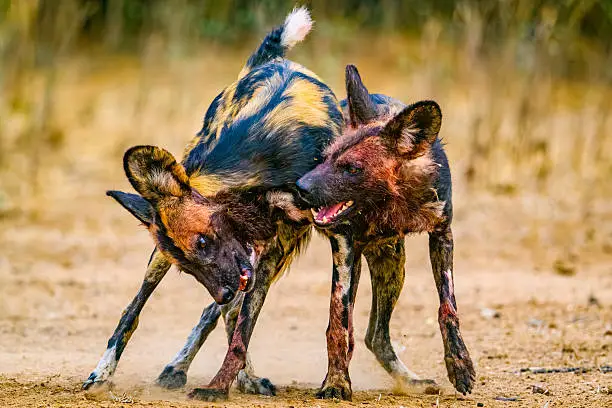
The African wild dog, also known as the painted dog or painted wolf, is among Africa’s most distinctive predators. Its irregular patches of black, brown, yellow and white fur make every individual look different, while its large rounded ears and slender body distinguish it from other members of the dog family. Wild dogs live in closely bonded packs and depend on cooperation to hunt, protect their young and survive in challenging environments.
Nyerere National Park is particularly interesting for wild dog enthusiasts because its extensive wilderness supports suitable habitat for these highly mobile animals. Tracking them requires patience, experienced guiding and a willingness to explore different areas as wildlife movements change. The best opportunities may occur during the cooler hours of the morning and late afternoon, when wild dogs can be active. Depending on seasonal conditions and recent wildlife reports, the itinerary can be adapted to concentrate on areas where sightings are considered more promising.
Although wild dog tracking is the central focus of this safari, the experience extends well beyond searching for one species. Nyerere’s river system attracts hippos, crocodiles, elephants and a wide variety of birds, while its plains and woodlands support giraffes, zebras, buffaloes, antelopes, lions, spotted hyenas and other wildlife. A boat safari on the Rufiji River provides an excellent contrast to land-based game drives, allowing visitors to observe the ecosystem from the water.
The safari also includes opportunities to photograph the park’s scenery, appreciate its quieter wilderness areas and learn about conservation. Organized by Native Africa Tours, this itinerary can be tailored to individual interests, preferred accommodation standards, available travel dates and whether guests wish to arrive by road or domestic flight.
Detailed 4-Day Wild Dog Tracking Safari Itinerary
Day 1: Travel from Dar es Salaam to Nyerere National Park and Enjoy an Afternoon Game Drive
Your four-day African wild dog tracking safari begins in Dar es Salaam, Tanzania’s principal coastal city and a convenient gateway to the southern safari circuit. After breakfast, your driver-guide will meet you at your hotel or another agreed pickup point for a briefing about the journey, the activities planned for the coming days and the wildlife you may encounter in Nyerere National Park. The exact schedule will depend on your preferred transport arrangement. Travelers choosing a road transfer will journey inland through the changing landscapes of coastal Tanzania, passing rural settlements, cultivated areas and stretches of natural vegetation before approaching the park.
Road conditions, the chosen entrance and the location of your accommodation influence the total travel time, so the transfer should be confirmed when the safari is booked. Alternatively, a scheduled or chartered light aircraft from Dar es Salaam can provide a quicker and more scenic approach to the park, with arrival at an appropriate airstrip serving your selected camp.
On arrival, you will transfer to your safari lodge or tented camp, where you can check in, enjoy lunch and relax before the afternoon adventure. Depending on your arrival time, your guide may arrange an introductory game drive through accessible wildlife areas. This first excursion is an opportunity to become familiar with Nyerere’s diverse habitats and begin searching for African wild dogs. Your guide will assess recent sightings, suitable routes, road conditions and the amount of daylight remaining before deciding where to explore.
Wild dogs may be encountered moving through open woodland, crossing tracks or resting in shaded areas between periods of activity. Your guide will also look for indirect signs of wildlife, including tracks, alarm calls from antelopes and other indications that predators have recently passed through an area. Even when wild dogs are not immediately found, these observations provide valuable insight into how safari guides interpret the landscape.
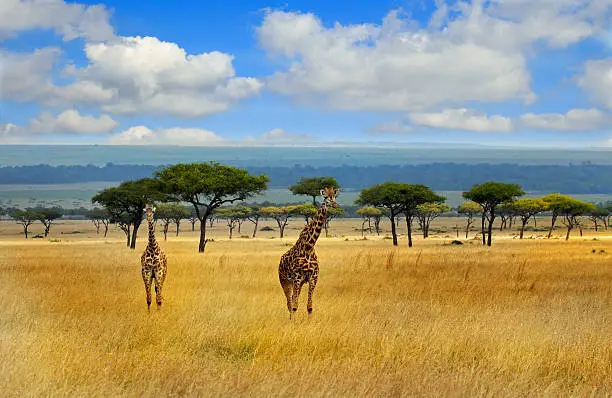
During the afternoon game drive, you may also encounter elephants browsing in woodland clearings, giraffes feeding on acacia trees, zebras grazing in open country and different antelope species moving between feeding grounds. Predators such as lions and spotted hyenas may be present, although sightings depend on location, timing and luck. The park’s large size means that no single drive can cover every habitat, making the guidance of an experienced local professional particularly important. As the afternoon progresses, the changing light creates excellent conditions for landscape and wildlife photography.
You will return to camp around sunset, subject to the park’s regulations and your accommodation’s schedule, for dinner and an overnight stay. During dinner, your guide can review the day’s observations and discuss the plan for the following morning, when the first dedicated wild dog tracking session will begin.
Day 2: Early-Morning African Wild Dog Tracking and Afternoon Wildlife Safari
Day two is dedicated primarily to African wild dog tracking, making it one of the most important days of your safari. You will wake early, have tea or coffee and enjoy a light breakfast before departing with your guide in the cool morning air. Early departures are valuable because wild dogs may travel or hunt during cooler periods, while the soft morning light is ideal for photography.
Before entering the main wildlife areas, your guide will review recent sightings and select routes based on the latest information available from the camp, other guides and authorized park personnel. Because wild dogs can travel considerable distances and move between different habitats, the tracking strategy may change during the drive. Rather than following a rigid route, your guide will use local knowledge, animal tracks, habitat features and fresh wildlife reports to identify promising areas.
The tracking experience involves much more than driving around in search of a photograph. Your guide may explain how wild dogs leave tracks in sandy soil, how their movements relate to prey animals and why certain woodland edges or open clearings can be useful places to search. You will learn how these predators work together as a pack, communicate through vocalizations and body language, and coordinate their movements during a hunt.
If you locate a pack, you may have the opportunity to observe the animals resting, grooming one another, greeting pack members or preparing to move. Under suitable conditions, you might witness them travelling across the landscape or displaying coordinated hunting behavior. However, hunts are unpredictable, and guides must prioritize the welfare of the animals over close approaches or attempts to force an encounter. Any observation of a den or young pups must also follow the applicable park rules and responsible wildlife-viewing practices.
The timing of your safari can influence the type of wild dog behavior you may observe. During the denning season, generally associated with the middle months of the year, packs may spend extended periods near a den while adults help raise the pups.
At other times, the animals may range more widely in search of prey. This is why the itinerary emphasizes repeated tracking sessions rather than relying on a single drive. Even when a pack is not located, the experience remains rewarding because you will explore the ecology of the park and encounter other wildlife along the way. Your guide may stop at suitable locations for wildlife photography, allowing you to capture images of elephants, antelopes, birds and the distinctive landscapes that make Nyerere such a special destination.
After several hours in the field, you will return to camp for brunch or lunch and some time to rest during the warmer part of the day. In the afternoon, you can head out again for a game drive, continuing the search for wild dogs if conditions are favorable or exploring other areas with strong wildlife-viewing potential. The afternoon session can be especially useful if the morning produced fresh tracks or reports of a pack moving through a particular habitat.
Alternatively, your guide may focus on lions, giraffes, buffaloes and other species to broaden your overall safari experience. As daylight fades, you will return to camp for dinner, with time to discuss your sightings and prepare for another early departure on day three.
Day 3: Continue Wild Dog Tracking and Enjoy a Rufiji River Boat Safari
Your third day combines another opportunity to search for African wild dogs with one of Nyerere National Park’s most distinctive experiences: a boat safari on the Rufiji River. After an early breakfast, you will set out for a morning game drive, focusing once again on wild dog tracking. Having spent the previous day exploring the park, your guide can use information gathered from earlier sightings to refine the search strategy.
If a pack was located on day two, the team may revisit suitable habitat in the hope of observing further behavior, while remaining alert to the possibility that the animals have moved. If no wild dogs were seen previously, the morning offers another valuable opportunity to explore different areas. The goal is to make the most of the available time while keeping expectations realistic, as these predators are wild, mobile and never guaranteed to appear.
During the morning drive, your guide will continue explaining the relationship between wild dogs and their environment. You may learn how prey availability, vegetation, water sources and seasonal changes influence animal movements. Wild dogs are highly social hunters, and their success depends partly on cooperation among pack members. Observing their behavior in the wild can provide a deeper appreciation of why they are such fascinating subjects for conservation-focused safaris. You may also encounter other predators and herbivores, adding variety to the experience. After the game drive, return to your camp for lunch and a short rest before preparing for the afternoon’s river excursion.
In the afternoon, you will travel to an appropriate departure point for a boat safari on the Rufiji River or its connected waterways, depending on your camp’s location and the conditions at the time. The Rufiji is a defining feature of Nyerere’s ecosystem, supporting rich aquatic and riverbank habitats. From the boat, you can observe hippos resting in the water, Nile crocodiles basking on the banks and waterbirds searching for fish. Elephants and other mammals may visit the river to drink, while kingfishers, fish eagles, herons and other birds add color and movement to the scenery.
The guide will explain the role of the river in sustaining wildlife, particularly during dry periods when access to water becomes increasingly important. Boat safaris also provide a different perspective on the park’s landscapes, with opportunities to photograph river channels, sandbanks, vegetation and animals using the water’s edge.
Although the boat safari is not a substitute for dedicated wild dog tracking, it complements the experience by revealing another side of Nyerere’s biodiversity. The river’s habitats support an abundance of wildlife, and observing them from the water can be a relaxing contrast to the early starts and long drives required for predator tracking. The exact duration of the boat excursion will depend on the operator, water levels, weather and camp arrangements. Once the activity concludes, you will return to your accommodation for dinner and your final overnight stay in the park. During the evening, your guide can help you review the safari highlights and plan the last morning’s activities around the most promising available wildlife information.
Day 4: Final Morning Wild Dog Tracking and Return to Dar es Salaam
On your final day, you will have one more opportunity to search for African wild dogs before leaving Nyerere National Park. An early start is recommended, particularly for travelers whose main reason for visiting is to observe these endangered carnivores. After breakfast, your guide will select the most promising accessible wildlife areas based on recent sightings, previous observations and the time available before departure.
If wild dogs were seen during the earlier drives, you may revisit a suitable area in the hope of observing them again. If they have not yet been located, your guide can use the final session to investigate other promising habitats. While the outcome cannot be guaranteed, having multiple tracking opportunities across the safari gives you more time to search than a shorter visit would allow.
The final game drive also provides an opportunity to appreciate any wildlife you may have missed earlier in the trip. You might encounter elephants moving between feeding areas, giraffes crossing the track, antelopes grazing in open clearings or birds displaying along woodland edges. For photography enthusiasts, the early morning light can provide excellent conditions for capturing wildlife portraits and atmospheric landscapes. Your guide can also help you understand how the park’s different habitats fit together and why protecting large, connected wilderness areas is important for wide-ranging predators such as African wild dogs. Responsible tourism contributes to the value of protected landscapes by supporting conservation operations, professional guiding services and communities connected to the safari industry.
After the morning drive, you will return to camp for breakfast or brunch, depending on your departure schedule, and check out. Travelers returning to Dar es Salaam by road will begin the journey with an appropriate allowance for road conditions and the distance to their final destination. Guests departing by aircraft will transfer to the designated airstrip in time for their scheduled flight, subject to the airline’s operating arrangements.
If you are connecting to an international flight, it is advisable to allow a suitable buffer between your domestic safari flight and your onward departure, as light aircraft schedules and weather can occasionally cause changes. Native Africa Tours can help coordinate the transfer and accommodation arrangements to reduce unnecessary complications at the end of the trip.
Your four-day Nyerere National Park wild dog tracking safari concludes with memories of Tanzania’s southern wilderness, its remarkable river landscapes and the search for one of Africa’s most endangered predators. Whether you successfully observe a wild dog pack or spend the journey learning about their ecology and conservation, the safari offers a meaningful way to explore a less crowded part of Tanzania. For travelers wishing to continue their adventure, the itinerary can be extended with additional nights in Nyerere or combined with other southern Tanzania destinations, depending on available transport connections, accommodation and travel time.
Best Time for a 4-Day Wild Dog Tracking Safari in Nyerere National Park
The best time for a wild dog tracking safari depends on the behavior of the animals, the seasonal conditions and your expectations. The dry season, particularly from June to October, is often a strong choice because vegetation becomes less dense in many areas and wildlife viewing can be easier. June, July and August are especially interesting for travelers hoping to observe packs around the denning period, when adults may remain near a den while raising pups.
However, denning dates and locations vary, and visitors should not expect every pack to be in the same place or every den to be accessible. September and October can also offer rewarding wildlife viewing, although wild dogs may be ranging more widely as pups grow and packs change their movements.
The wetter months can provide greener scenery, excellent birdwatching and a different photographic atmosphere, but thick vegetation and changing road conditions can make some wildlife searches more challenging. Some camps also adjust their operations seasonally, so accommodation and activity availability should be checked before confirming travel dates. For a safari specifically focused on African wild dogs, Native Africa Tours recommends discussing the intended month of travel in advance so the itinerary can be planned around seasonal patterns and current local knowledge.
Where to Stay During Your Nyerere National Park Safari
Accommodation plays an important role in a four-day wildlife safari because the location of your camp can affect how much time you spend travelling to suitable tracking areas. Nyerere offers a range of safari camps and lodges, from comfortable tented properties to luxury accommodation with private decks, dining areas and personalized guiding services. The most suitable choice depends on your budget, desired level of comfort, preferred safari style and the activities offered by each property.
When selecting accommodation for a wild dog tracking safari, prioritize access to appropriate wildlife habitats, experienced guides, reliable transfers and the ability to arrange early-morning game drives. Ask whether the property can accommodate extended tracking sessions, whether private vehicles are available and how its location affects the time required to reach likely wildlife areas. If a Rufiji River boat safari is important to you, confirm that the camp offers the excursion or can arrange it with a reputable operator. Native Africa Tours can recommend suitable accommodation options based on your travel dates and the level of service you prefer.
How to Get to Nyerere National Park
Nyerere National Park can be reached from Dar es Salaam by road or by domestic light aircraft, with the best option depending on your budget, schedule and accommodation location. A road transfer allows travelers to experience the countryside of southern Tanzania, but the journey can take several hours and the final approach may involve rough or unpaved roads. Travel times vary according to the gate, camp and road conditions, so an exact schedule should be confirmed when arranging the safari.
Flying is generally the more convenient option for travelers who want to maximize their time in the park. Flights from Dar es Salaam may serve airstrips such as Mtemere, Siwandu or other landing sites appropriate to the selected camp. Flight schedules, baggage allowances and landing locations vary by operator and season. Your camp or safari operator will normally coordinate the airstrip transfer. If you are arriving internationally on the same day, check the connection carefully and allow sufficient time between flights.
Frequently Asked Questions About Wild Dog Tracking in Nyerere National Park
Can I see African wild dogs in four days?
Four days provides a reasonable opportunity to focus on wild dog tracking while enjoying other wildlife experiences. However, sightings cannot be guaranteed because wild dogs are free-ranging animals that may move over large areas. The itinerary includes several game drives to improve your opportunities rather than relying on one search.
What is the best month for wild dog tracking in Nyerere?
June to August is particularly attractive for travelers interested in the denning season, while the broader dry season from June to October can also provide excellent general wildlife viewing. The best dates depend on current pack movements, seasonal conditions and access to suitable habitats.
Is wild dog tracking the same as a normal game drive?
Not exactly. General game drives focus on observing a broad range of wildlife, while wild dog tracking gives greater attention to locating a particular species. Your guide may adjust routes, revisit recent sighting areas and spend additional time searching suitable habitats. The activity still takes place within the park’s rules and responsible wildlife-viewing guidelines.
Will I see wild dog pups during the safari?
Possibly, if your trip coincides with a suitable stage of the denning season and a den can be observed legally and responsibly. The timing of breeding varies, and access to den sites may be restricted to protect the animals. Pup sightings should never be promised.
Can I combine wild dog tracking with a boat safari?
Yes. A Rufiji River boat safari is an excellent complement to game drives, offering opportunities to observe hippos, crocodiles, birds and other wildlife along the water. It is included in this proposed itinerary, subject to the final camp arrangements and operational conditions.
Is this itinerary suitable for photographers?
Yes. The itinerary provides multiple opportunities to photograph wildlife and landscapes during early-morning and late-afternoon light. Travelers using large camera equipment should confirm any relevant baggage restrictions if flying to the park. A private vehicle can also provide more flexibility for photography, subject to park regulations.
Can this safari be customized?
Yes. Native Africa Tours can tailor the safari to your travel dates, accommodation preferences, transport arrangements and wildlife interests. Depending on availability, you can request a private vehicle, extra nights for wild dog tracking or a longer Tanzania itinerary that includes additional parks.
Book Your 4-Day Wild Dog Tracking Safari with Native Africa Tours
Discover the remarkable wildlife of southern Tanzania on a carefully planned 4-day wild dog tracking safari in Nyerere National Park. This itinerary combines dedicated searches for African wild dogs with classic game drives, opportunities for wildlife photography and a memorable boat safari on the Rufiji River. It is ideal for travelers who want to explore beyond Tanzania’s better-known northern circuit and spend meaningful time in a vast, relatively remote wilderness.
Contact Native Africa Tours to plan your African wild dog safari, request a personalized quotation and choose the accommodation and transport options that suit your budget. Share your preferred travel dates, number of travelers, departure point and accommodation category so the itinerary can be tailored to your requirements. Our team can help coordinate the arrangements and advise you on the most suitable season for your interests.
Wildlife sightings are never guaranteed, but thoughtful planning, experienced guiding and several dedicated tracking sessions can make a significant difference to your safari experience. Let Native Africa Tours help you plan an unforgettable journey into Nyerere National Park, where every game drive offers a new opportunity to discover the wildlife and landscapes of Tanzania’s southern wilderness.