
Fitness Level for Gorilla Trekking in Rwanda
What is the required fitness level for gorilla trekking in Rwanda? Gorilla trekking in Rwanda is one of Africa’s most transformative wildlife experiences. To stand close enough to observe endangered mountain gorillas in the wild is a privilege. It also demands a certain level of physical readiness. The good news is that gorilla trekking is not reserved only for athletes. People of many backgrounds and fitness levels complete treks every season. What matters most is preparation, pacing, and understanding what “fitness” means for the realities of Rwanda’s forest trails.
This article breaks down the fitness level you’ll need for gorilla trekking in Rwanda, what to expect on the ground, how to gauge your readiness, and practical training strategies to increase comfort and reduce the risk of injury.
What Gorilla Trekking Involves
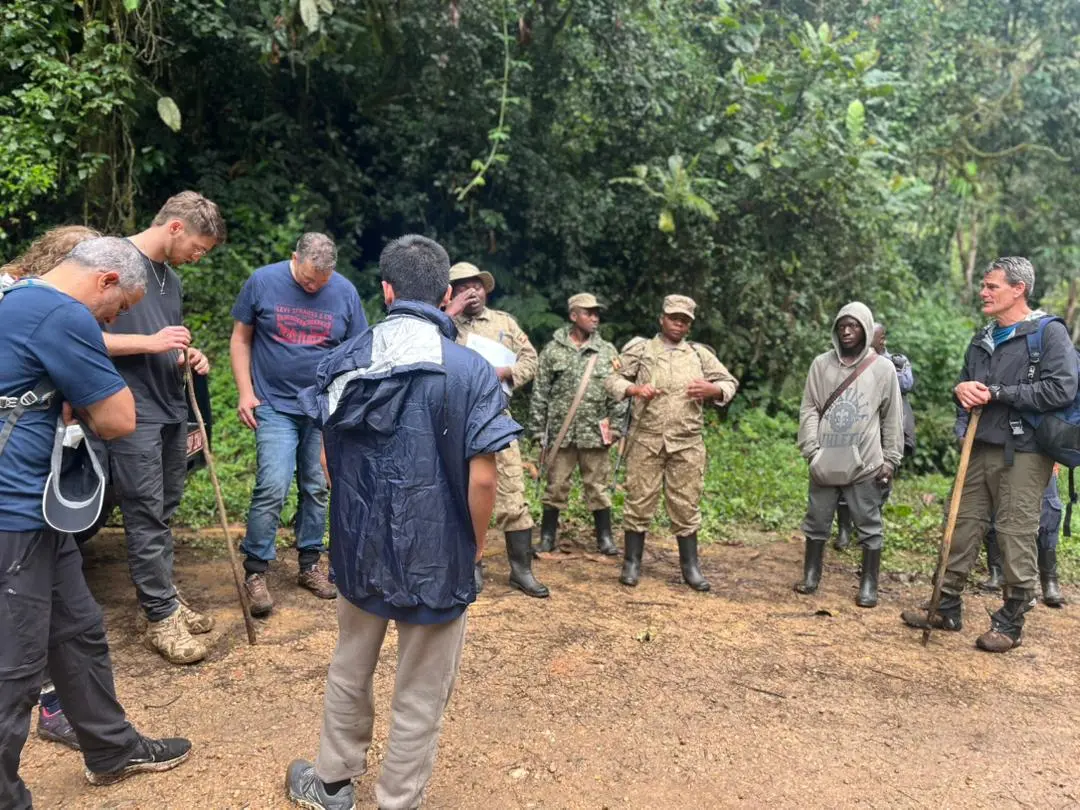
A gorilla trek is essentially a guided hike through forest terrain to locate a gorilla group. Unlike many paved outdoor activities, the route is unpredictable and typically includes:
- Steep and uneven ground (mud, rocks, roots, slippery slopes)
- Dense vegetation and narrow paths
- Frequent pauses for guidance and tracking
- Back-and-forth movement as rangers search for the gorillas
- Weather challenges, such as humidity, rain, or mist
The trek itself can vary significantly by day and by the gorillas’ movement. Even when the distance is manageable on paper, the time you spend moving on uneven terrain can be demanding. Many trekkers describe it as a “slow but intense” experience; your pace is controlled by the conditions and the hunt for the gorillas, not by the clock alone.
How Much Fitness Do You Need?
There is no single fitness score that fits everyone, because trekkers differ in body size, strength, cardiovascular endurance, flexibility, and hiking technique. However, you can think about gorilla trekking fitness in four key areas.
Cardiovascular Endurance
You need enough stamina to keep moving for extended periods, often with intermittent climbs. You do not need to run, but you should be able to walk at a steady pace without becoming overly winded. A good target is being able to do 30–60 minutes of brisk walking (or moderate hiking) with manageable breathing. If you can handle this repeatedly during training, you’re likely in a good position.
Leg Strength and Stability
Treks rely heavily on your ability to step over uneven ground, maintain balance on slopes, and keep going when the trail changes texture (mud to rocks, flat to incline). A good target is being comfortable with activities like step-ups, stair climbing, lunges (if appropriate), squats, and supported balance work.
Core and Mobility
Your core helps you remain stable when stepping up, down, or sideways. Mobility supports knees and hips so you don’t “lock up” as fatigue builds. A good target is being able to repeatedly get into natural hiking movement patterns, standing, bending slightly, stepping sideways around obstacles, without stiffness causing sharp discomfort.
Mental Preparedness and Pacing
Forest trekking can feel slow and strenuous. Some trekkers underestimate the mental part: you will likely need to stay patient while rangers guide you through dense terrain and track the gorillas.
Who Should Take Extra Caution?
Gorilla trekking is not a “light stroll,” and some people need to consult a medical professional before booking or increasing effort. Take extra caution if you have:
- Uncontrolled cardiovascular conditions (such as unstable angina or recent events)
- Severe asthma that is poorly controlled
- Major mobility limitations without support
- Unmanaged diabetes with poor stamina or frequent symptoms
- Any injury that may worsen on uneven terrain
If you have conditions like these, it doesn’t automatically mean you can’t go, but it does mean you should plan carefully, get medical advice, and ensure you can safely handle the demands.
Training for Gorilla Trekking: What to Do (and When)
If your goal is to enjoy the trek, not just survive it, begin training early. Even 4–6 weeks of consistent preparation can make a noticeable difference for many people. If you have less time, do what you can; consistency matters more than perfection.
As your date approaches, you want to feel ready, not exhausted. Maintain walking, but reduce intensity slightly. Keep strength work lighter, do one “test day” hike similar to what you expect, and practice how you’ll carry your pack.
Strength Exercises That Translate Well to Trekking
You don’t need a gym routine filled with complicated movements. Choose exercises that mimic trekking demands.
- Step-ups: simulate climbing onto uneven ground
- Calf raises: help ankle stability and endurance
- Glute bridges: support hip stability on descents
- Split squats or lunges (only if pain-free): build leg strength for varied steps
- Side-lying hip abductions or banded side steps: help when stepping around obstacles.
- Planks or bird-dogs: support core control to prevent twisting fatigue
If any exercise causes sharp pain, reduce the range of motion or stop. Trekking is hard enough; injury is the last thing you want.
Footwear, Balance, and Injury Prevention
Fitness isn’t just about stamina. Foot comfort and stability can decide how enjoyable the trek feels.
Shoes and Grip: Wear hiking boots or trail shoes with reliable traction. Test them during training hikes. New shoes can cause blisters that ruin a trek even if your fitness is excellent.
Socks: Use moisture-wicking socks. Consider a quality sock to reduce friction.
Practice stepping up/down from a stable step and improving ankle control. Uneven ground punishes sloppy foot placements.
What to Bring for a Successful Gorilla Trekking in Rwanda
Even the best fitness plan can be undermined by poor gear.
- Comfortable, grippy hiking shoes
- A lightweight day pack
- Rain jacket or poncho (weather can shift quickly)
- Water (carry enough; also drink steadily)
- Snacks for energy (if allowed by your local guidance)
- Light layers (humidity and shade can change how you feel)
- A hat and sunscreen
- Optional trekking poles (many people find them reduce strain)
Is Gorilla Trekking Possible If You’re Not Fit?
Yes, many people with moderate fitness complete gorilla trekking, especially when they train consistently and pace themselves. The key difference is expectation. If you’re not prepared, you may find the trek challenging and exhausting. If you are prepared, you’re more likely to stay comfortable, reduce injury risk, and enjoy the entire experience.
Think of gorilla trekking fitness as readiness for a challenging hike, not an athletic competition. Your goal is to arrive with enough endurance and strength to move confidently through Rwanda’s forest, so you can focus on the unforgettable sight of gorillas in their natural habitat.
Prepare Smart, Then Enjoy Fully
Gorilla trekking is one of those rare adventures where preparation directly increases your quality of experience. A good fitness level will help you walk steadily, handle uneven terrain, and keep your energy for the moment you reach the gorillas. If you take one thing from this article, let it be this. Train consistently, protect your feet, and pace yourself. That combination is what turns “I hope I can do it” into “I’m proud I was ready.”