
Golden Monkey Trekking in Mgahinga
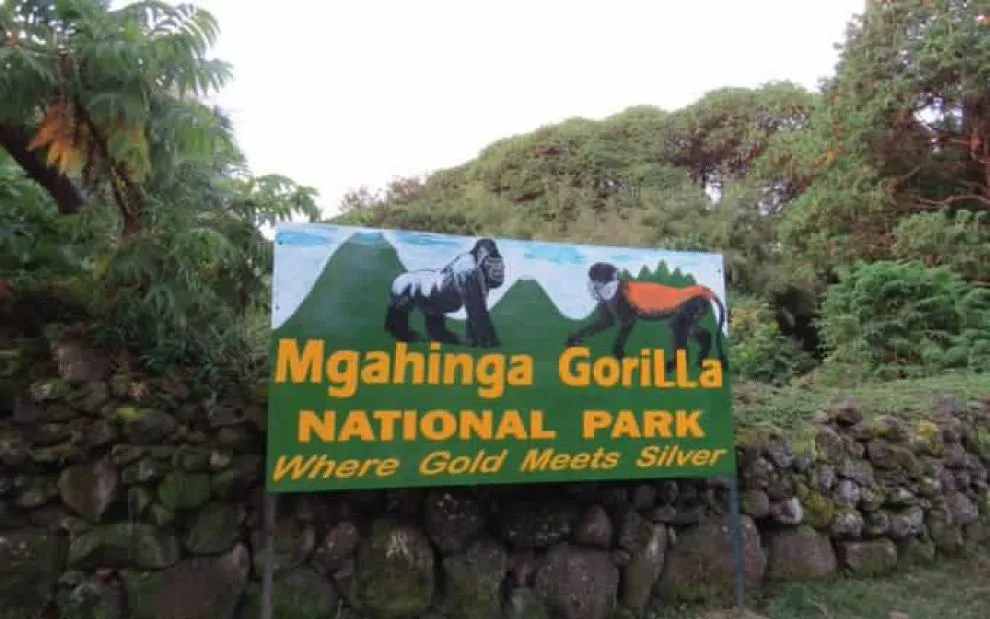
Mgahinga Gorilla National Park, tucked into Uganda’s southwestern tip where the country meets Rwanda and the Democratic Republic of Congo, is a compact but ecologically rich park. While it is often mentioned alongside its more famous neighbour, Bwindi, for gorilla trekking, Mgahinga offers a distinct and rewarding experience: golden monkey trekking. These small, charismatic primates (Cercopithecus kandti) are known for their striking golden-orange fur, lively social behaviour, and acrobatic moves among bamboo and montane forest. This article covers everything you need to know about golden monkey trekking in Mgahinga: natural history, trekking logistics, permit systems, what to expect on the trek, seasonal considerations, conservation context, ethical trekking practices, and practical tips to make your visit memorable and responsible.
An Introduction to the Golden Monkey
Golden monkeys are a species (or subspecies, depending on classification) limited to the Virunga Volcanoes region, which includes Mgahinga in Uganda, Volcanoes National Park in Rwanda, and parts of the DRC. They are not monkeys of the “golden snub-nosed” variety found in Asia; instead, East Africa’s golden monkeys are guenons with vivid orange fur on their flanks and a contrasting dark face and limbs. They are primarily bamboo specialists, often feeding, sleeping, and moving within bamboo stands in high-altitude montane forest and forest edge habitats.
Their social structure is typically multi-male, multi-female groups that can range from a few individuals to large troops. Their energetic behaviors – leaping between branches, foraging in groups, grooming, and vocalizing – make them a delight for wildlife watchers and photographers. Unlike mountain gorillas, golden monkeys are smaller, faster, and more arboreal, so the trekking experience emphasizes agility and patience to locate and follow them without causing disturbance.
Why Mgahinga Is Ideal for Golden Monkey Trekking
Mgahinga covers roughly 34 square kilometers of montane forest and volcanic slopes, including parts of the Virunga volcano chain. Its small size concentrates accessible habitats where golden monkeys are reliably found.
The prevalence of bamboo and the relatively open structure of some montane forests can make golden monkeys easier to locate compared to denser lowland forests.
Treks in Mgahinga often combine wildlife viewing with breathtaking views of the Virunga peaks (Muhabura, Gahinga, and Sabyinyo), local Batwa (Indigenous Pygmy) cultural experiences, and the opportunity to track habituated primate groups.
Mgahinga’s trails and tourism programs are closely linked to local communities, with revenues supporting conservation and community development initiatives.
Permits, Seasonality, and Booking
Like many protected areas in Uganda, golden monkey trekking in Mgahinga requires a permit issued by the Uganda Wildlife Authority (UWA). Permits are limited and should be booked in advance through a tour operator like Native Africa Tours.
Permit prices vary over time and by nationality (foreign non-resident vs. foreign resident). Currently, a golden monkey trekking permit in Mgahinga costs $100. Golden monkey permits are typically far less costly than mountain gorilla permits, making this an attractive and more affordable primate experience.
Popular trekking times (dry season months and holiday periods) book up quickly. Secure permits and a guide early, especially if combining with other regional activities (gorilla trekking in Bwindi, cultural visits, or mountain hikes).
Golden monkey trekking is possible year-round, but dry seasons (December–February and June–September) generally provide easier trekking conditions with firmer trails, fewer leeches, and clearer views. The wet seasons (March–May and October–November) bring green scenery and birthing seasons for some animals, but treks can be muddier, and trails slippery.
Trekking Logistics and What to Expect
Meeting point and briefing: Treks usually begin early at the park headquarters or a designated trailhead. A mandatory briefing covers safety, trekking etiquette, health precautions (important for primate disease transmission), and what to expect during the walk.
Guide and trackers: Uganda Wildlife Authority rangers and experienced local guides lead treks. Trackers play a key role in locating groups efficiently.
Trail types and difficulty: Trails in Mgahinga vary from easy forest walks to steeper, more strenuous climbs on volcanic slopes. The golden monkey habitat often includes bamboo zones on slopes and forest edges; some sections may be steep or uneven. Overall, treks are generally less physically demanding than gorilla treks, but fitness, sturdy footwear, and walking poles (available for hire in some lodges) are recommended.
Trek duration: The time to locate a troop can vary greatly; some treks find monkeys within 30–45 minutes, while others may take several hours. Once located, the viewing time is usually limited (similar to gorilla trekking) to minimise disturbance, typically around one hour.
Viewing experience: Once you find a troop, expect lively interaction. Individuals feed on bamboo shoots, move through the canopy, interacting socially, and sometimes descend to feed on the forest floor. Golden monkeys are fast and often move in and out of view, so patience and a good telephoto lens are helpful for photography.
What to Bring and How to Prepare
Footwear and clothing: Sturdy, waterproof hiking boots with good ankle support are essential. Wear long trousers and long-sleeved shirts to protect against nettles, thorns, and insects. Lightweight, breathable layers work best for changeable mountain weather.
Waterproof gear: A lightweight rain jacket or poncho is important during wet months; pack a dry bag for electronics and valuables.
Health kit: Include anti-malarial medication if recommended by your doctor, insect repellent (DEET or Picaridin), basic first aid supplies, and personal medications.
Photography gear: A DSLR or mirrorless camera with a telephoto lens (200–400mm range helpful) will capture distant or fast-moving subjects. A lightweight tripod or monopod can stabilise shots during long waits. For smartphones, a clip-on tele lens can enhance reach.
Water and snacks: Carry water and light snacks, though check whether your guide provides water bottles or snacks as part of the trek.
Cash for tips: Guides, trackers, and porters appreciate tips for good service. Small USD bills and local currency (UGX) in small denominations work best.
Final Thoughts
Golden monkey trekking in Mgahinga provides a delightful, less-crowded primate experience with rich natural and cultural overtones. It is accessible to a range of travelers. It also offers rewarding wildlife encounters without the extreme physical demands or high costs associated with mountain gorilla permits. Responsible trekking practices, respect for local communities, and support for conservation-driven operators will ensure your visit benefits both you and the fragile ecosystems and people of the Virunga region.
Whether you are captivated by the golden flash of fur moving through bamboo, the chorus of calls at dawn, or the panoramic views of volcanic peaks, golden monkey trekking in Mgahinga delivers a memorable, intimate window into one of East Africa’s most enchanting primate species. Plan your Trip with us, trek responsibly, and bring your sense of wonder; Mgahinga’s golden monkeys are waiting.