7 Days Kenya Great Wildebeest Migration Safari
Experience one of Africa’s most spectacular wildlife events on this 7 Days Kenya Great Wildebeest Migration Safari, a journey designed around the legendary herds of wildebeest and zebras that move between Tanzania’s Serengeti and Kenya’s Maasai Mara. With several days dedicated to exploring the Mara, this safari gives you time to search for migrating herds, watch predators across the savannah, and experience the extraordinary landscapes of Kenya.
The Great Wildebeest Migration is a continuous natural cycle driven by rainfall, fresh grazing, and the search for water. Large herds typically reach the Maasai Mara around June or July and may remain in the region into October or November, although the timing varies each year. Dramatic Mara River crossings are possible during this period, but no particular crossing can be guaranteed on a specific date.
Organised by Native Africa Tours, this seven-day safari combines a Nairobi arrival, a scenic journey to the Maasai Mara, several days of wildlife viewing, and a return to Nairobi. It is ideal for first-time safari travellers, wildlife photographers, couples, families, and anyone hoping to experience the Great Migration in Kenya.
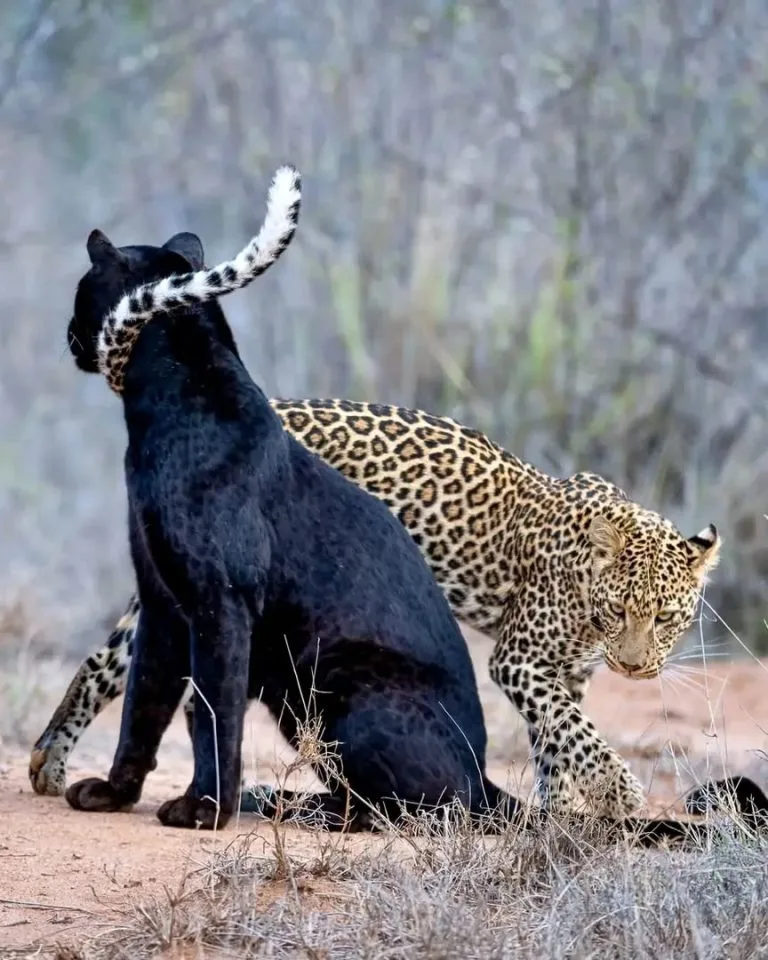
The itinerary prioritises time in the Maasai Mara rather than rushing between several national parks. This gives you more opportunities to explore different wildlife areas, search for the migrating herds, and enjoy the Mara’s resident wildlife, including lions, elephants, leopards, cheetahs, buffaloes, giraffes, and numerous antelope species.
Detailed 7-Day Kenya Great Wildebeest Migration Safari Itinerary
Day 1: Arrival in Nairobi, Kenya
Upon arrival at Jomo Kenyatta International Airport in Nairobi, you will be welcomed by your representative and transferred to your hotel. After checking in, take time to relax following your international journey.
Depending on your arrival time, you may explore selected attractions in Nairobi or simply enjoy a relaxed afternoon at your hotel. If you arrive early, optional activities can be arranged, subject to availability and your flight schedule.
Nairobi is an excellent starting point for a Kenyan safari, offering a range of hotels, restaurants, and cultural experiences. Your guide will brief you about the upcoming journey to the Maasai Mara, including the expected driving time, game-drive arrangements, and the importance of flexible planning during migration season. Spend the evening at your hotel, preparing for an early departure the following morning.
Day 2: Drive from Nairobi to the Maasai Mara National Reserve
After breakfast, meet your safari driver-guide and begin the journey towards the Maasai Mara. Leave Nairobi and travel through Kenya’s Great Rift Valley region, where the landscape opens into scenic viewpoints, rolling hills, farmland, and rural settlements.
You may stop at an appropriate viewpoint for photographs before continuing towards the reserve. As you approach the Mara, the scenery gradually changes to open grasslands, scattered acacia trees, and broad savannah plains. Arrive at your lodge or tented camp around lunchtime, depending on the road journey and your chosen accommodation. After check-in and lunch, prepare for your first game drive if time and park entry arrangements allow.
Your first wildlife outing introduces you to the remarkable ecosystem of the Maasai Mara. Look out for wildebeest, zebras, gazelles, giraffes, elephants, and other animals moving across the plains. Depending on recent sightings, you may also encounter lions, cheetahs, hyenas, or other predators.
During the migration season, your guide will check current wildlife information and plan suitable routes towards areas where herds have recently been reported. If the migration is concentrated farther away, the game drive may focus on resident wildlife and other productive viewing areas. Return to your camp in the evening for dinner and an overnight stay.
Day 3: Full-Day Great Wildebeest Migration Safari in the Maasai Mara
Wake up early and enjoy breakfast before setting out for a full day exploring the Maasai Mara. During the migration season, this is an opportunity to search for large herds of wildebeest and zebras as they move across the plains in search of fresh grazing.
Your guide will use recent sightings, local knowledge, and the day’s conditions to identify promising areas. Herds may gather in open grasslands, move along riverbanks, or spread across the savannah in large columns. Their movements can change quickly, so flexibility is important.
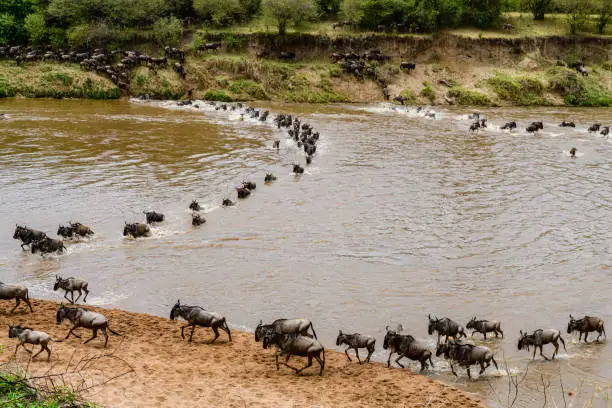
If the herds are near the Mara River, you may have an opportunity to observe animals gathering along the banks. Sometimes wildebeest approach the water and hesitate for long periods before crossing. At other times, the herd may move away without crossing.
A river crossing can be an extraordinary wildlife spectacle, with animals navigating steep banks and fast-moving water while crocodiles wait nearby. However, crossings are unpredictable and cannot be guaranteed, even when large herds are in the area.
During the game drive, you will also search for the Mara’s resident predators. Lions may be resting in the shade or following herds, while cheetahs scan the grasslands for prey. Leopards are more elusive and may be found resting in trees or moving through riverine vegetation. Enjoy a picnic lunch at a permitted location or return to your camp for lunch, depending on the day’s route and your preferences.
Day 4: Maasai Mara Wildlife Viewing and Predator Tracking
Today is dedicated to exploring more of the Maasai Mara and discovering its remarkable diversity of wildlife. Even during the Great Migration, the reserve offers excellent opportunities to observe animals that live in the ecosystem throughout the year.
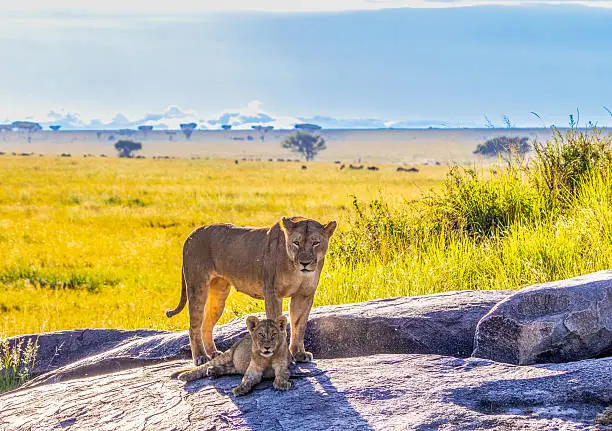
Begin with an early morning game drive, when predators may still be active and the soft light provides excellent conditions for photography. Your guide will search for lions, cheetahs, leopards, spotted hyenas, and other wildlife, while also looking for elephants, buffaloes, giraffes, and grazing antelopes.
The Mara’s open grasslands make it possible to observe animal behaviour across the landscape. You may see a pride of lions resting after a night of hunting, cheetahs scanning the plains, or herds of herbivores moving between grazing areas.
Return to your camp for breakfast or a mid-morning break, depending on the game-drive arrangements. Spend some time relaxing before heading out again in the afternoon. If migration herds are nearby, your guide can focus on their movements. If the herds have shifted to another area, explore alternative parts of the reserve or an appropriately booked conservancy area, depending on your accommodation and park access arrangements.
This flexibility is important because the Great Migration is more than a single river crossing. It includes the movement of herds, grazing activity, predator interactions, and the changing relationship between wildlife and the seasonal landscape.
Day 5: Another Full Day Following the Great Migration
After breakfast, set out for another full day in the Maasai Mara. Having several days in the reserve allows your guide to adjust the route based on the herds’ latest movements rather than relying on a fixed location.
If large concentrations of wildebeest and zebras are moving through the plains, you may spend time observing their behaviour, photographing the herds, and searching for predators that often follow migrating animals.
If the herds are gathering near the Mara River, your guide may take you to an appropriate viewing area, provided access and conditions allow. Be prepared to wait patiently. Herds may approach the water, retreat, or move to a different crossing point.
Responsible wildlife viewing is especially important during river crossings. Vehicles must not block animals’ routes, force herds towards the river, or crowd the crossing point. Visitors should remain inside their vehicles unless their guide identifies a designated area where it is safe and permitted to get out.
If the migration is not concentrated near the river, enjoy a broader wildlife safari. The Maasai Mara’s resident animals remain a major attraction, and the open savannah provides opportunities to observe many species even when the migrating herds are elsewhere.
Enjoy a picnic lunch during the game drive or return to camp according to your selected arrangement. In the afternoon, continue wildlife viewing before returning to your camp for the evening.
Day 6: Final Morning Game Drive and Return to Nairobi
Enjoy breakfast before checking out of your camp. Depending on your departure schedule, you may take a short morning game drive or begin the return journey towards Nairobi. A final game drive can provide another opportunity to observe wildlife near the camp or along a suitable route out of the reserve. You may encounter giraffes, zebras, antelopes, elephants, or predators if conditions are favourable.
After leaving the Maasai Mara, travel back through Kenya’s scenic countryside and the Great Rift Valley region. Stop for refreshments and photographs where appropriate, then continue to Nairobi. On arrival, transfer to your hotel and relax after several days of wildlife viewing. If you have an evening flight, a direct airport transfer may be possible, but only if the road journey and flight schedule leave a comfortable margin.
Day 7: Departure from Nairobi
Enjoy breakfast at your hotel, depending on your departure time. If your flight leaves later in the day, you may have time for a short city excursion or a relaxed morning at the hotel. At the agreed time, your driver will transfer you to Jomo Kenyatta International Airport for your onward flight. If you are continuing your East African adventure, Native Africa Tours can help arrange an extension to other Kenyan destinations or a combined Kenya, Uganda, and Rwanda safari, depending on your interests and schedule.
Where You Will Stay During the Safari
Accommodation plays an important role in a migration safari. The location of your camp can affect how much time you spend driving to wildlife-viewing areas, especially when herds are moving between different parts of the Maasai Mara ecosystem.
The following are examples to consider. Final selections depend on availability, travel dates, budget, and whether you prefer to stay inside the reserve or in a nearby conservancy.
Budget Accommodation
Budget travellers can choose a comfortable tented camp or lodge outside the main reserve, provided it offers suitable access to the planned game drives.
This option can help manage costs while still providing an exciting wildlife experience. When comparing budget camps, check the distance to the reserve entrance, park entry arrangements, meal plans, and whether game drives are included or charged separately.
Midrange Accommodation
Midrange tented camps offer a balance of comfort, location, and value. Consider properties such as Mara Simba Lodge or another suitable camp in the Maasai Mara region, subject to availability and route suitability.
For a migration-focused safari, prioritise a camp that provides practical access to the areas you want to explore rather than choosing accommodation based on facilities alone.
Luxury Accommodation
Luxury travellers can consider properties such as Governors’ Camp, Mara Serena Safari Lodge, or a premium tented camp in a suitable conservancy.
Luxury accommodation may offer spacious tents or rooms, excellent dining, personalised service, and convenient access to selected wildlife areas. Some conservancy camps also offer a more exclusive safari atmosphere, although access to the main reserve and its wildlife areas depends on the package arrangements.
Native Africa Tours can recommend the best camp according to your travel dates, desired comfort level, and migration-viewing priorities.
How Much Does a 7-Day Kenya Great Wildebeest Migration Safari Cost?
The cost of a seven-day migration safari depends on the season, group size, accommodation category, transport arrangements, and the number of days spent inside the Maasai Mara ecosystem.
The main cost components are:
-
Park and conservancy fees: These depend on the visitor category, travel dates, and whether you stay inside the reserve or in a conservancy. Confirm the current applicable tariffs before quoting.
-
Accommodation: Six nights in budget, midrange, or luxury properties.
-
Transport: Private safari vehicle, fuel, and professional driver-guide services.
-
Game drives: Included arrangements vary between camps and safari packages.
-
Meals: According to the selected accommodation and package.
-
Optional experiences: Cultural visits, hot-air balloon safaris, or domestic flights may cost extra.
July to October is the main period many travellers target for migration viewing, and demand for accommodation can be high. Booking early is particularly important for camps close to preferred wildlife areas.
Native Africa Tours can prepare a personalised quotation for couples, solo travellers, families, and private groups, with budget, midrange, and luxury options.
Best Time for the Great Wildebeest Migration Safari in Kenya
The best time to visit depends on whether your priority is seeing large herds, hoping for a river crossing, enjoying general wildlife viewing, or travelling outside the busiest season.
July to October: Main Migration Viewing Period
This is the best-known period for planning a Maasai Mara migration safari. Large herds commonly arrive from the Serengeti during this period, and river crossings may occur when the animals move between grazing areas. August and September are popular choices, but they can also bring high visitor numbers and premium accommodation rates. River crossings are unpredictable and cannot be guaranteed.
June: Early Migration Possibilities
June can be a good transition period, with drier conditions developing and some herds potentially beginning to move towards the Mara. However, large concentrations may not yet have arrived, depending on rainfall and grazing conditions.
October to November: Changing Herd Movements
During October, migration activity may continue, while some herds begin moving back towards Tanzania. By November, the main migratory herds may be leaving the Mara, although timing varies. This period can still offer excellent wildlife viewing, including resident predators and herbivores.
January to March: General Wildlife and Predator Viewing
Although this is not usually the main period for the large migration herds in Kenya, the Maasai Mara remains a worthwhile wildlife destination. Travellers can enjoy game drives focused on resident wildlife, predators, landscapes, and photography. The Great Migration follows rainfall and grazing rather than fixed dates. Plan your trip around the expected seasonal window, but treat a river crossing as a possible highlight rather than a guaranteed event.
Important Information Before Booking
Migration timing: Large herds usually reach the Maasai Mara around June or July and may remain into October or November. The exact timing varies with rainfall and grazing conditions.
River crossings: Crossings can happen suddenly or not at all during your stay. No responsible tour operator can guarantee a crossing on a particular day.
Accommodation location: Camps in different parts of the reserve and surrounding conservancies provide access to different wildlife areas. Choose a location based on your priorities and the route included in your package.
Park fees: Entry fees and conservancy charges can change and may be structured differently depending on accommodation and visitor category. Confirm all fees before booking.
Game-drive arrangements: Some camps include shared game drives, while private safaris may provide a dedicated vehicle. Confirm what is included, especially if you are a photographer or want flexible departure times.
Responsible wildlife viewing: Remain inside the vehicle where required, avoid crowding animals, keep access routes clear, and never pressure wildlife towards a river crossing. Responsible viewing helps protect the herds and improves the experience for everyone.
Optional Activities to Add to Your Kenya Safari
If you have extra time or want to personalise your trip, consider the following experiences:
-
Hot-air balloon safari: Take an early morning flight over the Maasai Mara, subject to availability and weather conditions. This is generally an additional-cost activity.
-
Maasai cultural experience: Learn about local traditions through a community-led visit arranged with a reputable local provider.
-
Private photographic game drives: Consider a private vehicle for greater flexibility with positioning, light, and time spent at wildlife sightings.
-
Conservancy safari experience: Add a stay in a suitable conservancy to explore different wildlife areas, subject to the camp and access arrangements.
-
Extended migration safari: Add more nights in the Mara if you want additional game drives and more time to follow changing herd movements.
-
Combined Kenya and Tanzania safari: Extend the trip to the Serengeti to explore more of the Great Migration ecosystem, subject to border and travel logistics.
These activities may require additional fees, time, or advance reservations. Native Africa Tours can advise which options fit your schedule and budget.
Frequently Asked Questions
When is the best time to see the Great Wildebeest Migration in Kenya?
July to October is the main period many travellers target for migration viewing in the Maasai Mara. The herds’ arrival and departure dates vary, and river crossings cannot be guaranteed.
Can I see a river crossing on a seven-day safari?
It is possible, but not guaranteed. Spending several days in the Maasai Mara gives your guide more opportunities to follow the herds and explore different viewing areas. Crossings remain unpredictable natural events.
Is seven days enough for a Kenya migration safari?
Yes. Seven days allows for arrival and departure in Nairobi, four nights in the Maasai Mara region, and several days of game drives. This provides more time for wildlife viewing than a short two- or three-night visit.
Can I combine the Maasai Mara with other Kenyan parks?
Yes. You can combine the Maasai Mara with destinations such as Lake Nakuru or Lake Naivasha. However, adding other parks reduces the time available in the Mara. If migration viewing is your main priority, the itinerary above deliberately focuses on the Mara.
Is this safari suitable for families?
Yes. A private safari can be adapted for families, depending on the children’s ages, accommodation requirements, and preferred game-drive duration. Confirm age restrictions and any activity-specific requirements before booking.
Can Native Africa Tours arrange a luxury migration safari?
Yes. Native Africa Tours can arrange a luxury safari with premium tented camps or lodges, private transport, and tailored game drives, subject to availability and your preferred dates.
Book Your 7 Days Kenya Great Wildebeest Migration Safari
Witness the remarkable wildlife of Kenya on a safari designed to give you time in the Maasai Mara during the Great Migration season. From watching vast herds move across the plains to searching for lions, cheetahs, elephants, and other iconic wildlife, this journey offers a memorable introduction to one of Africa’s greatest natural spectacles.
Native Africa Tours can tailor your safari to your travel dates, accommodation preferences, group size, and budget. We can help coordinate Nairobi transfers, accommodation, park access, and game drives to create a practical itinerary around your priorities.
Contact Native Africa Tours today to request a personalised quotation for your 7 Days Kenya Great Wildebeest Migration Safari. For travel during the main migration season, we recommend booking well in advance to secure your preferred camp and travel dates.