
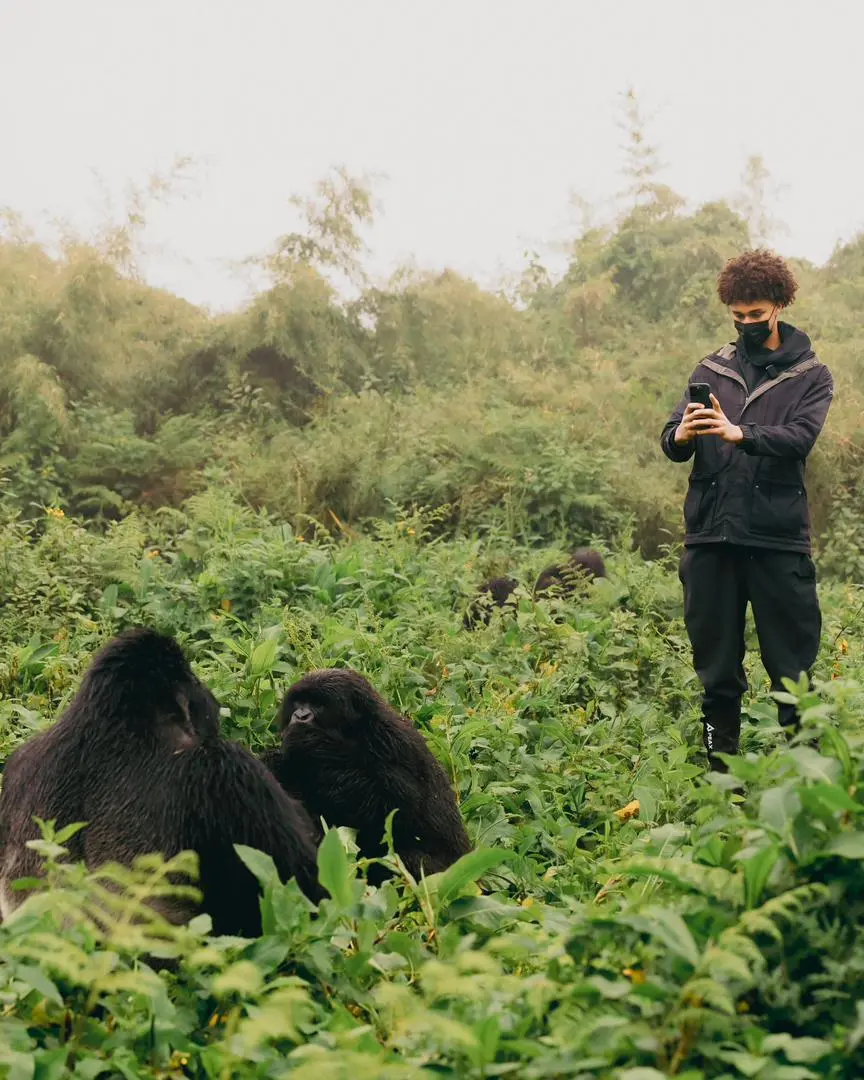
Gorilla Trekking in Rwanda During Peak Season
Few travel experiences on earth command the same level of reverence and anticipation as standing face-to-face with a mountain gorilla. It is an encounter that feels less like tourism and more like a pilgrimage. In the heart of Africa, the mist-shrouded slopes of the Virunga Massif serve as the dramatic stage for this meeting. While Volcanoes National Park is open year-round, the Peak tourist Season for Gorilla trekking in Rwanda (spanning from June to September and again from December to February) is widely considered the quintessential time to embark on this journey.
For the discerning traveller, choosing to go for Gorilla Trekking in Rwanda during the peak season is a deliberate decision to prioritise optimum conditions, climatic comfort, and the vibrancy of the high-season atmosphere. It is a time when the logistics align perfectly with the landscape, offering the highest likelihood of a seamless and profoundly moving encounter with our endangered cousins. However, travelling during this window requires a deeper understanding of the ecosystem, the economics of exclusivity, and the unique rhythm of the park when it is at its busiest and best.
The Climate and Chasing the Dry Season
The primary driver of the peak season is undoubtedly the weather. The long dry season (June to September) and the short dry season (December to February) offer a reprieve from the torrential rains that characterize the rest of the year.
During these months, the skies over the Virungas are often a startling, piercing blue. The rainfall is sporadic and light, meaning the trekking trails are far more navigable. In the rainy season, the red volcanic soil of the park can turn into a treacherous, slippery quagmire. In contrast, the dry season offers firmer footing. This does not mean the hike is a walk in the park; the altitude is high, the slopes are steep, and the vegetation is dense. However, without the constant struggle against sliding mud, trekkers can focus their energy and attention on the forest itself rather than just where to place their next boot.
Moreover, the dry weather usually correlates with the gorillas’ preferred feeding patterns. As the food sources stabilize, the gorilla families tend to range at slightly lower altitudes, meaning the trek to find them is often shorter. While nature offers no guarantees, the probability of a hike lasting between one and four hours is significantly higher during the peak season compared to the slogging, all-day expeditions sometimes required in the mud of the wet months.
A Photographer’s Dream
For those whose primary goal is to capture the majesty of the mountain gorilla on camera, the peak season is unrivaled. Lighting in a rainforest is notoriously difficult. During the rainy seasons, the sky is often a flat sheet of gray overhead, casting a dull, diffused light that can result in grainy images and muddy colors.
The Rwanda Gorilla Trekking during peak season offers dynamic lighting. The sun, penetrating the canopy in shafts, creates a dramatic interplay of light and shadow. This natural spotlighting adds depth and texture to photographs, highlighting the dense, silver fur of the Silverbacks and the inquisitive, dark eyes of the juveniles. Furthermore, the drier vegetation allows for clearer lines of sight. The absence of rain-slicked leaves means less reflection and obstruction, allowing for those crystal-clear portraits that make it onto magazine covers. The backdrop of the park, too, is more visible; the peaks of Mount Karisimbi and Mount Bisoke are more frequently revealed, providing a breathtaking, scale-defying backdrop to the gorillas’ habitat.
The Atmosphere of the “High Season”
Visiting Volcanoes National Park during the peak season is not just about the weather; it is about the energy. The park becomes a hub of global connectivity. The briefing area at the Kinigi headquarters, where trekkers gather early in the morning, buzzes with a palpable excitement.
Here, you will find a melting pot of cultures, American tech moguls, European honeymooners, Asian adventurers, and African neighbors, all united by a single goal. This atmosphere creates a sense of occasion. It is often accompanied by the energetic performances of local Intore dancers, whose rhythmic drumming and high-stepping dances serve as a spirited send-off.
The lodges surrounding the park, from the historic Virunga Lodge to the ultra-luxury Bisate and Singita Kwitonda, are operating at full capacity. This means the hospitality is at its finest. Services are sharpened, the cuisine is at its peak, and the communal dining areas become lively venues for swapping stories of the day’s trek. If you are a solo traveler or a couple looking to meet others, the peak season provides a social vibrancy that the quiet, low-season months lack.
Cost and Exclusivity
It is impossible to discuss peak season trekking without addressing the elephant in the room: the cost and the crowds. Rwanda positions itself as a high-end, low-volume tourism destination, and the Gorilla Trekking permit price reflects this. At $1,500 USD per person, a gorilla permit is one of the most expensive wildlife tickets in the world. During the peak season, demand for these permits is ferocious.
Unlike in Uganda or the low season, where you might secure a permit a few weeks in advance, the peak season in Rwanda requires military-level planning. Permits for the high season dates are often sold out 4 to 6 months in advance, and for prime dates like Christmas or New Year’s, bookings can be secured a year out. This scarcity adds a layer of logistical complexity to the trip, forcing travelers to coordinate flights, lodges, and permits with surgical precision.
Furthermore, while the wilderness is vast, the human traffic is concentrated. There are only 12 habituated gorilla families available for tourism in Rwanda, and each family is visited by a group of 8 people. In the dry season, the likelihood of other trekking groups converging on the same family is high. While the rangers strictly enforce the 7-meter distance rule, the presence of other cameras and other whispers can sometimes diminish the feeling of wild isolation one might seek.
Conclusion
Gorilla trekking in Rwanda during the peak season is the gold standard of wildlife tourism. It strips away the struggle against the elements and presents the experience in its most accessible, visually stunning form. It is a time when the logistics align with the dream, allowing the traveler to focus entirely on the profound connection of the encounter.
Yes, it requires a significant financial investment and careful planning with the best safari company in Rwanda. Yes, you may share the trail with others. But when the sun breaks through the canopy, illuminating a massive Silverback as he chews peacefully on bamboo shoots, with the mist clearing just enough to reveal the ancient volcanic peaks behind him, the rationale for the peak season becomes undeniably clear. In that golden hour, amidst the buzz of fellow enthusiasts and the clarity of the dry air, you are witnessing the wild world at its most magnificent. And that is a memory worth the peak of the season.