
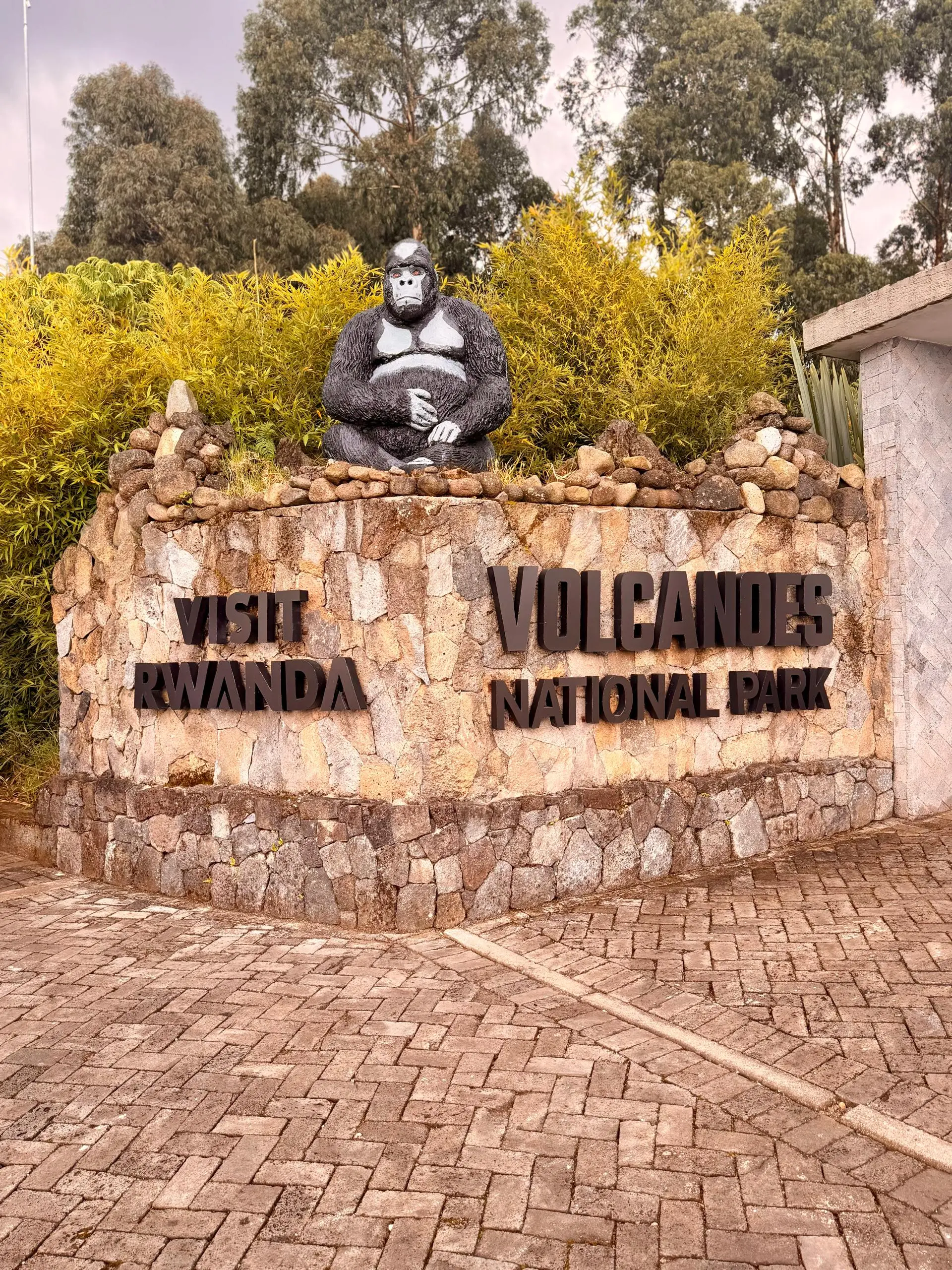
Gorilla Trekking in Volcanoes National Park During Low Season
Rwanda, known affectionately as the “Land of a Thousand Hills,” is home to one of the most profound wildlife experiences on earth: the mountain gorilla. For decades, Volcanoes National Park has been the quintessential destination for those seeking to lock eyes with these gentle giants. Most travelers, guided by the conventional wisdom of guidebooks and travel forums, plan their pilgrimage during the dry seasons of June to September or December to February. They seek the promise of clear skies, firm ground, and ease of movement. Gorilla Trekking in Volcanoes during low season months is a vastly different experience from the postcard-perfect dry season jaunts.
However, there is a growing contingent of intrepid explorers who are discovering the magic of the “shoulder” or “low” seasons, the long rains of March to May and the short rains of October to November. It is raw, moody, immersive, and arguably offers a more authentic connection with the ancient, mist-shrouded ecosystem of the Virunga Massif. While the prospect of rain may deter some, for the willing adventurer, the low season unveils a side of the park that is lush, solitary, and deeply atmospheric.
The Myth of the “Washout”
The primary deterrent for visiting Volcanoes National Park during the low season is, understandably, the weather. The term “rainy season” can conjure images of relentless, day-long downpours that make trekking miserable. The reality, however, is often far more nuanced.
In the tropics, and specifically in the high-altitude altitudes of the Virungas, weather is inherently unpredictable even during the dry months. During the low season, Gorilla Trekking in Volcanoes Park, rain does fall more frequently and with greater intensity, but it rarely inhibits the entire day. Mornings often start crisp and clear, with the clouds gathering over the volcanoes as the sun climbs. The rain typically comes in bursts, sudden, dramatic tropical showers that rinse the dust from the air, followed by breaks of sunlight that pierce through the canopy like spotlights. Far from being a “washout,” the rain transforms the park into a vibrant, living organism. It is the lifeblood of the forest, turning the dormant bamboo shoots into the gorillas’ favourite succulent feast.
The Beauty of the Landscape of Volcanoes National Park
One of the most underrated aspects of low season gorilla trekking in Volcanoes National Park is the sheer visual splendour of the environment. During the dry months, the vegetation can become dusty, and the undergrowth dries out. In contrast, the rainy season breathes life into the forest. The Volcanoes National Park becomes a luminescent shade of emerald green. The moss draping the ancient Hagenia trees hangs thick and heavy, creating a gothic, otherworldly atmosphere that feels ripped from the pages of a fantasy novel.
For photographers, this is a golden opportunity. While overcast skies can be tricky for lighting, they act as a giant softbox, diffusing the harsh sunlight that often plagues mid-day shots in the dry season. This eliminates deep shadows and harsh highlights on the gorillas’ black fur, allowing for even, rich exposure. The wet foliage reflects light, adding sparkle and depth to the background of your images. Furthermore, the dramatic cloud formations that swirl around the peaks of Karisimbi, Bisoke, and Muhabura add a majestic scale and mood to landscape shots that clear blue skies simply cannot match.
The Luxury of Solitude
Perhaps the most compelling reason to visit during the low season is the exclusivity. Gorilla trekking is a strictly regulated activity; only eight people are allowed to visit a specific gorilla family per day. During the peak season, these eight slots are snapped up months in advance, and the briefing areas are bustling, chaotic hubs of activity. Tracking parties can feel somewhat crowded, and there is often a sense of rushing to get to the gorillas before another group does.
In the low season, the dynamic shifts. While the gorilla permits are in high demand regardless of the weather due to the limited availability (usually 80 permits per day total), the overall number of tourists in the country drops significantly. The lodges are quieter, the transfer vehicles are fewer, and the trails are devoid of the long lines of trekkers often seen at the trailheads.
This solitude extends to the hiking experience. In the dry season, multiple tracking groups might converge near the gorilla families at similar times. In the rainy season, it is not uncommon for your group to be the only one with the gorillas for the entire hour. This creates a sense of profound intimacy. There are no distractions from other groups, clicking cameras or whispering loudly. It is just you, the trackers, the ranger, and the gorillas in the quiet, dripping forest. This isolation amplifies the spiritual connection one feels with these primates, making the encounter feel like a private audience rather than a tourist attraction.
Practical Economics and Logistics
It is no secret that a gorilla trekking permit in Rwanda comes with a hefty price tag of $1,500 USD. While the Rwanda Development Board (RDB) rarely discounts the permit itself regardless of the season, the overall cost of the trip often decreases significantly during the low months. Luxury lodges and boutique hotels around Musanze and Kinigi offer substantial discounts.
Furthermore, international flights to Kigali are often cheaper, and availability is better. This means that for the price of a standard peak-season package, a traveller might be able to enjoy a more luxurious accommodation experience or extend their stay to include double trekking (visiting two different families) or other activities like golden monkey trekking or a visit to Dian Fossey’s tomb. The low season democratises the experience slightly, making it accessible to those who might find the peak-season pricing prohibitive.
The Challenge of the Terrain
It would be disingenuous to suggest that low season gorilla trekking in Volcanoes National Park is physically easier. In fact, it is often more challenging. The red volcanic soil of the Virungas becomes incredibly slick and treacherous when wet. What was once a stable foothold can turn into a mudslide within minutes.
The trails can be thick with mud, requiring hikers to navigate squelching ground that sometimes sucks boots right off. This is where the importance of a good guide becomes paramount. The trackers and rangers in Volcanoes National Park are experts at navigating this terrain; they will often cut walking sticks for you and advise on the best path through the mire.
For the trekker, this adds an element of adventure. It requires a “go with the flow” attitude. You will get dirty. You will get wet. But there is a strange satisfaction in the physical exertion required to reach the gorillas in these conditions. It feels earned. The struggle up the muddy slopes makes the moment you finally break through the bamboo and see a Silverback chewing calmly in the rain all the more rewarding. As long as you are equipped with waterproof gear (gaiters are essential), good hiking boots, and a positive mindset, the mud becomes part of the story, not a hindrance.
Pack your Bags and go Gorilla Trekking.
Gorilla trekking in Volcanoes National Park is a bucket-list event, the kind of experience that changes you. While the dry seasons offer the path of least resistance, the low seasons offer the path of greatest reward. It is for the traveller who understands that nature is not a controlled exhibit but a wild, unpredictable force.
If you are willing to don a rain jacket, lace up your boots, and embrace the mud, you will be rewarded with a greener, quieter, and more atmospheric encounter with the mountain gorillas. You will see the Virunga volcanoes as they truly are. In the low season, the experience is not just about seeing the gorillas; it is about immersing yourself in their world, mist and all. And that is a memory that will stay with you long after the mud has been washed from your boots.