
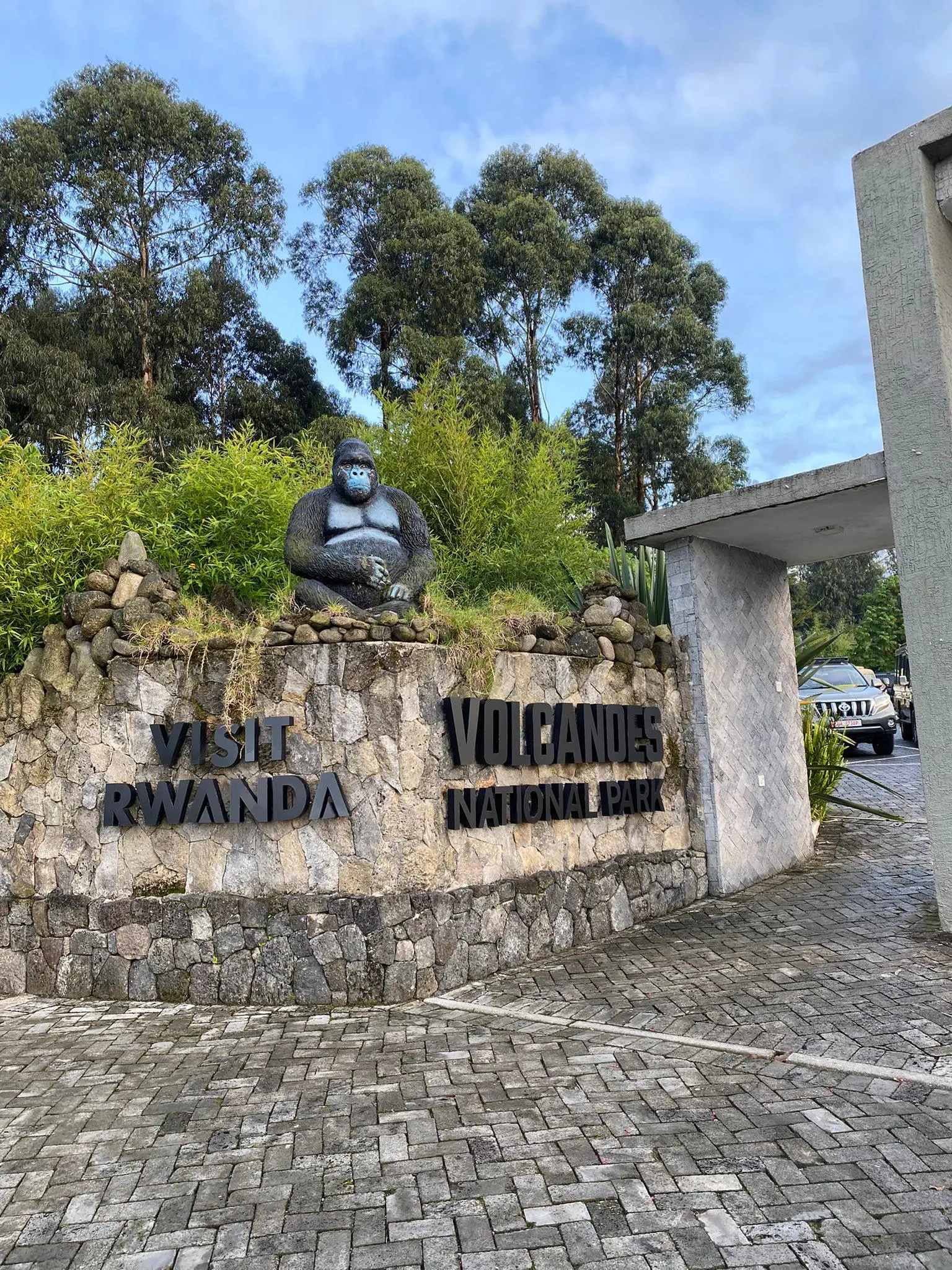
Habituated Gorilla Families in Rwanda
Rwanda’s reputation as a gorilla destination is largely built on one remarkable idea: wild mountain gorillas can be observed up close, safely, respectfully, and without breaking the rules of the animals’ natural world, through carefully managed habituation. At the heart of the Rwanda trekking experience stands habituated gorilla families, groups that have become accustomed to the presence of humans. This habituation does not mean the gorillas are “tame.” It means they no longer treat people as a life-threatening threat, allowing short, controlled encounters for visitors and researchers alike.
Understanding what habituation is, why certain families are habituated, and what visitors can realistically expect makes the whole experience more meaningful. It also highlights how gorilla tourism can support conservation rather than undermine it.

What Does “Habituated” Mean?
In wildlife conservation, “habituation” refers to a process by which animals gradually become accustomed to a consistent non-threatening stimulus; in this case, humans. For mountain gorillas, the challenge is that their natural caution is essential for survival. Gorillas have strong flight responses when they encounter people, and forcing contact would be both harmful and unacceptable.
Habituation in Rwanda is achieved through years of careful, regulated interaction. Park staff and trained guides move with purpose, observe behaviours, and maintain a routine presence in the forest. Over time, gorillas learn that humans associated with monitoring and tracking do not chase, trap, or harm them. When the gorillas can tolerate human proximity without escalating stress, they may be considered sufficiently habituated for controlled tourism visits.
Habituation is not domestication. Gorillas remain wild animals. They can still move away, choose to stay hidden, or show signs of agitation if conditions change. Habituated groups simply make it possible for visitors to observe natural behaviour without causing the gorillas to panic.
Why Habituated Gorilla Families Matter
Rwanda’s mountain gorilla conservation strategy does more than protect a species; it protects a fragile ecosystem and supports community livelihoods. Habituated families are central to this approach for several reasons:
Controlled monitoring
Staff can follow gorilla health indicators like diet, movement, injuries, and social dynamics more consistently when a group’s location and behaviour are trackable.
Education and research opportunities
Habituated groups provide rare, high-value opportunities for study. Researchers can record behaviours and better understand how gorillas adapt to their environment.
Tourism that funds conservation
Gorilla trekking permits generate revenue that helps sustain protected areas, park operations, ranger training, and conservation programs.
Reducing illegal activity pressure
Strong conservation presence can deter poaching and habitat encroachment. Habituated gorilla monitoring can increase the protective “eyes on the ground” in critical habitat zones.
Building public support
When travellers witness gorillas in their natural settings, they are more likely to support conservation emotionally and financially.
In short, habituated families are not simply “available attractions.” They are a conservation tool—carefully managed, constantly monitored, and dependent on strong governance and ethical practices.
How a Gorilla Family Becomes Habituated in Rwanda
Habituation is long-term work. It generally involves consistent monitoring and careful contact protocols that prioritise gorilla welfare above everything else. While the exact timeline can vary widely depending on the group and conditions, the process usually includes:
Identification and tracking of the group: Rangers locate a family and begin regular monitoring. They learn the group’s trails, feeding patterns, and daily routines.
Gradual exposure to human presence: Humans are present in a non-threatening way and at a distance that doesn’t trigger panic. Over time, the gorillas become less reactive.
Maintaining low disturbance routines: Consistent spacing, quiet behaviour, and controlled observation are crucial. Disturbance can slow habituation or force gorillas to move away permanently.
Health and behavioural observation: Staff ensure the group is not being harmed or excessively stressed. If habituation methods negatively affect the gorillas, they are adjusted immediately.
Assessment for tourism readiness: Only when gorillas show tolerance at the appropriate proximity are they classified as habituated enough for trekking encounters under park rules.
This is why habituated gorillas are not created quickly. It takes time, patience, funding, and a deep understanding of primate behaviour.
Susa A
Susa A is often described as one of the better-known, larger and more established families in Volcanoes National Park. In many visitor accounts and trekking guides, the Susa name is also linked historically to the gorilla family Dian Fossey studied in the area, though the exact emphasis varies by source.
Karisimbi (often referenced as Susa B)
Karisimbi is frequently connected to the breakaway or renamed lineage that came from the original Susa group, often referred to as Susa B in older descriptions.
Agashya
Agashya is often described as a family named after a gorilla (“Agashya” means news in Kinyarwanda, and several sources also describe the family’s history in relation to leadership changes).
Kwitonda
Kwitonda commonly originated from migrating into Rwanda and is associated with a silverback called Kwitonda (“humble one”).
Sabinyo
Sabinyo is typically described as a family named after the Sabinyo volcano, and it’s often noted for occupying a territory that can make tracking relatively straightforward compared with some groups (depending on where the family is that day).
Final Thoughts
Habituated gorilla families in Rwanda represent something rare: a careful human partnership with wildlife. They are the product of long conservation work, ranger expertise, and a commitment to protecting animals in a way that doesn’t strip them of their wild nature.
For visitors, the experience becomes more than a “once in a lifetime” photo opportunity. It becomes a lesson in patience, discipline, and humility. You learn quickly that you are not there to control the encounter; you are there to observe safely while the gorillas decide what the moment becomes.
When you walk into the forest and meet Rwanda habituated gorilla families, you are witnessing the outcome of years of effort and the ongoing responsibility of stewardship. The gorillas are still wild. You are still a guest in their world. And the best moments are often the ones that simply happen naturally, grooming that lingers, infants that wander, and a silverback that watches quietly while the family carries on.