
How Solo Women Can Travel Safely in Rwanda and Uganda
For the solo female traveller, the call of Africa is often tempered by a whisper of apprehension. The media paints a picture of a continent that is chaotic and dangerous, particularly for a woman alone. Yet, for those who venture to the heart of East Africa (Rwanda and Uganda), the reality is a stunning contrast. These are nations of profound beauty, immense cleanliness, and genuinely warm hospitality. While travelling solo as a woman in this region requires a higher degree of vigilance than travelling in a group, it is an entirely feasible and deeply rewarding experience. You will not just see the mountain gorillas or the source of the Nile; you will be welcomed into a cultural rhythm that is infectious and safe if you follow the rules of the road. Here is a comprehensive guide on how solo women can travel safely in Rwanda and Uganda.
Safety in Context
First, let’s dispel the myths. Rwanda and Uganda are politically stable and have undergone massive transformations in the last three decades. Violent crime against tourists is exceptionally rare. In fact, you are statistically safer in Kigali city or Kampala than in many major European or American cities.
However, “safety” for a solo woman here is less about physical violence and more about navigating cultural norms, avoiding petty theft, and managing the unwanted attention that often comes with being a “Mzungu” (foreigner). You will stand outbe looked at. You will be called out to. Understanding that this is usually born of curiosity rather than malice is the first step toward confidence.
Navigating Transportation
The road is where the majority of your challenges will lie. Both countries rely heavily on motorcycle taxis, known as boda-bodas. They are thrilling, cheap, and everywhere, but they are the single biggest safety risk for travellers. Never, ever get on a boda-boda without a helmet. This applies to both you and the driver. If the driver doesn’t have a spare for you, wave him on.
In Kampala and Kigali, use ride-hailing apps like SafeBoda, Uber, or Bolt. These apps track your journey in real-time, record the driver’s details, and ensure you aren’t overcharged. Jumping on a random street boda might save you 50 cents, but it removes your safety net. If you must take a street bike, negotiate the price before you get on to avoid conflict at the destination. Do not take long-distance buses or public matatus (minivans) at night if you can avoid it. The roads are poorly lit, driving standards are erratic, and the risk of accidents spikes. If you are traveling between cities or parks, book a private driver or a reliable bus like Volcano Express (Rwanda) or Global Buses (Uganda) and travel during the day.
Cultural Etiquette and Dress Code
Respect is a safety currency in East Africa. While these countries are modernising, they remain socially conservative. The way you dress directly impacts how you are treated and the level of attention you attract.
In cities like Kigali, women wear jeans and dresses, but as a solo traveler, it is wise to avoid short shorts, crop tops, or revealing clothing, especially when walking in town centres or rural villages. In Kampala, the style is more vibrant, but modesty is still appreciated. When visiting religious sites or local communities, your knees and shoulders should be covered.
A simple “Mwaramutse” (Good morning in Kinyarwanda) or “Oli otya” (How are you in Luganda) disarms tense situations. People are incredibly hospitable; if you are lost, ask a woman or a family rather than a group of loitering men. You will likely hear marriage proposals or shouts of “Hey Mzungu!” The best reaction is a firm, polite “No, thank you,” and continuing to walk. Avoid eye contact if you aren’t interested in engaging. Arguing or getting angry rarely helps; a smile and a quick pace are your best defence.
Trekking and Nature
For many, the main attraction is the wildlife. The good news is that activities like gorilla trekking, chimpanzee tracking, and game drives are naturally safe environments. You are always accompanied by armed rangers and guides.
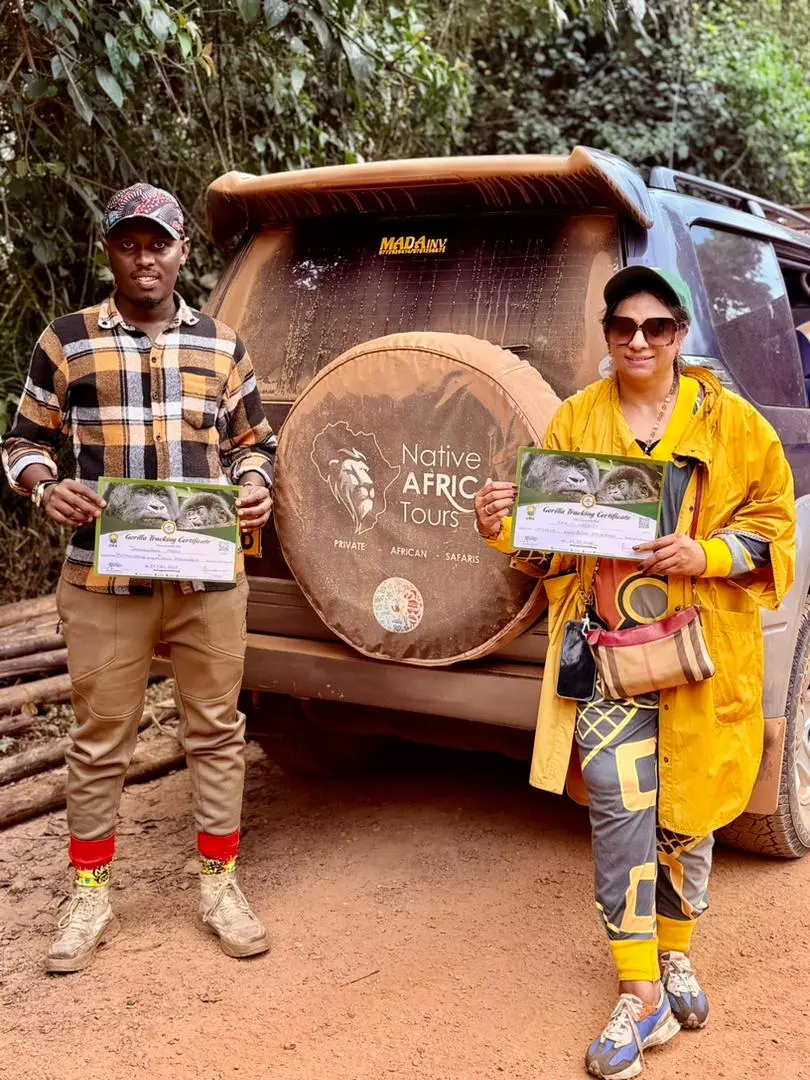
You will rarely trek alone but instead be placed in a group of eight. If you are worried about being the only solo female, don’t be; you will likely meet other travellers from around the world. The biggest safety risk in the jungle is not the animals, but the terrain. Bwindi Impenetrable Forest in Uganda and Volcanoes National Park in Rwanda involve steep, muddy climbs. Ensure you are fit enough to handle several hours of hiking. If you slip and twist an ankle far from the trailhead, porters are there to carry you, but prevention is better. Hire a porter. Even if you are strong and fit, hire one. It employs locals and frees you up to focus on your footing. A porter costs $20 in Uganda and roughly $15-$20 in Rwanda; it is money well spent for safety and stability.
Accommodation
Where you sleep dictates your peace of mind. If your budget allows, stick to registered hotels, lodges, and guesthouses. These places have security guards, perimeter fences, and 24-hour reception. They are used to solo travelers and can arrange trusted transport for you. Budget travel is booming in Kampala and Kigali, with excellent hostels. These are social hubs where you can easily find other solo travellers to split a taxi or safari with. Look for female-only dorms for extra privacy. If you arrive at a guesthouse that feels sketchy or is located down a dark, unmarked alley, leave. Your intuition is your most sophisticated survival tool.
Safety in Rwanda vs. Uganda
While neighbours, these two countries have different vibes.
Rwanda: Organised, clean, and quiet. Kigali is one of the safest cities in Africa. You can walk alone at night in many districts, though standard precautions apply. The plastic bag ban is real; don’t bring them. The country is small, so travel between destinations is quick and easy.
Uganda: Chaotic, loud, and lush. Kampala is a sensory overload with traffic that defies logic. The Ugandans are perhaps the friendliest people on earth, often stopping to shake hands and ask how you are. However, the hustle is higher here. Keep a tighter grip on your phone in the city, as opportunistic phone-snatching from boda-bodas does occur.
Conclusion
To travel solo as women in Rwanda and Uganda is an act of empowerment. It challenges the narrative of fear and replaces it with a narrative of connection. You will return home not just with photos of silverback gorillas, but with the knowledge that you navigated a complex, beautiful, and vibrant environment on your own terms.
Pack smart, dress modestly, keep your phone close, and your heart open. The misty mountains and smiling faces of the East African community are waiting for you. You are safer there than you think.