8-Day Black Leopard Safari in Kenya
Discover the mystery of Kenya’s elusive black leopard on this exclusive 8-day Black Leopard Safari in Kenya, combining private wildlife conservancies, spectacular landscapes, and extended tracking opportunities in the Laikipia region. This specialist safari takes you from Nairobi to Sangare Conservancy, Solio Conservancy, Ol Pejeta Conservancy, and Mpala Ranch in Laikipia, with the final three nights dedicated to exploring one of Kenya’s most fascinating wildlife landscapes.
Unlike a conventional Kenya wildlife safari that moves between destinations every day, this itinerary allows you to spend several consecutive days in Laikipia, giving you more opportunities to observe leopards and other elusive wildlife. Black leopards are exceptionally rare, and sightings can never be guaranteed. However, carefully planned game drives, experienced local guides, knowledge of animal movements, and patience can make a dedicated leopard safari a rewarding wildlife experience.
Organized by Native Africa Tours, this itinerary is ideal for wildlife photographers, experienced safari travelers, conservation enthusiasts, and visitors seeking a specialized Kenya safari beyond the traditional Big Five experience. From the possibility of encountering a melanistic leopard to observing endangered rhinos, elephants, lions, and other wildlife, each destination contributes a different dimension to this remarkable journey.
Safari Itinerary at a Glance
-
Day 1: Arrive in Nairobi and Optional Visit to the Giraffe Centre and Museum of Illusions
-
Day 2: Visit Sangare Conservancy
-
Day 3: Solio Conservancy
-
Day 4: Ol Pejeta Conservancy
-
Day 5: Mpala Ranch, Laikipia
-
Day 6: Mpala Ranch, Laikipia
-
Day 7: Mpala Ranch, Laikipia
-
Day 8: Transfer to Nairobi and Departure
Detailed 8-Day Black Leopard Safari in Kenya
Day 1: Arrive in Nairobi and Optional Visit to the Giraffe Centre and Museum of Illusions
Your 8-day Black Leopard Safari in Kenya begins with your arrival at Jomo Kenyatta International Airport in Nairobi, Kenya’s capital and one of East Africa’s principal international travel hubs. A representative from Native Africa Tours will meet you at the airport and transfer you to your hotel. After your journey, you can settle in, refresh, and relax before beginning your wildlife adventure.
Depending on your arrival time, you may choose to explore some of Nairobi’s attractions before heading into the Kenyan wilderness. One recommended stop is the Giraffe Centre, a conservation and environmental education centre known for its work with endangered Rothschild’s giraffes. Here, you can observe the giraffes at close range, learn about their conservation, and, subject to the centre’s operating arrangements, participate in a supervised feeding experience. This is an excellent introduction to Kenya’s wildlife before your safari moves into the country’s private conservancies.
You may also visit the Museum of Illusions Nairobi, where interactive installations, optical illusions, and unusual visual displays offer an entertaining contrast to the natural landscapes you will experience over the coming days. It is particularly suitable for travelers who enjoy photography, visual puzzles, and unusual experiences. Both visits are optional and should be arranged according to your flight arrival time, opening hours, and transfer schedule.
Later, return to your hotel for dinner and an overnight stay. Your safari guide can brief you on the upcoming journey, explain what to expect during wildlife drives, and discuss your interests in leopard tracking and photography.
Day 2: Visit Sangare Conservancy
After breakfast, depart Nairobi and travel toward Sangare Conservancy, a privately managed wildlife property in Nyeri County. The drive generally takes around three hours under favorable road conditions, although traffic leaving Nairobi and the precise location of your accommodation can affect the journey. Sangare covers approximately 4,250 acres and contains a varied landscape of open plains, riverine forest, bushland, rocky terrain, and a large dam. These different habitats create opportunities for wildlife viewing, birdwatching, and scenic photography.
On arrival, check in at your accommodation or complete the necessary conservancy arrangements before heading out for your first game drive. Sangare is home to a variety of wildlife, including reported leopard, buffalo, lion, and some resident elephants. The conservancy’s mixture of thick vegetation and more open ground makes wildlife searching an engaging experience, particularly for travelers interested in understanding how predators use different habitats.
During the afternoon, explore the conservancy with your guide. Rather than focusing exclusively on one animal, look for tracks, alarm calls, fresh signs of wildlife activity, and potential predator movement. Leopards are elusive, naturally secretive cats that often rest in dense vegetation or use riverine cover to move through their territories. A knowledgeable guide can help interpret these clues while ensuring that wildlife is observed responsibly.
Sangare’s landscape also offers rewarding opportunities beyond big cats. You may encounter antelope, monkeys, smaller mammals, and a variety of resident and migratory birds. If time and conservancy regulations permit, a guided nature walk may provide another perspective on the area’s plant life, animal tracks, and ecological relationships.
As the day draws to a close, enjoy the changing colors of the landscape before returning to your accommodation. The evening provides time to review the day’s sightings, discuss the following day’s route, and prepare your camera equipment for continued wildlife exploration.
Day 3: Solio Conservancy
After breakfast, depart for Solio Conservancy. The conservancy lies between Mount Kenya and the Aberdare mountain range and is widely recognized for its role in rhino conservation. Its open grasslands, scattered trees, and surrounding highland scenery provide a different wildlife environment from the more varied river valleys of Sangare.
Upon arrival, begin exploring the conservancy on a guided game drive. Solio is particularly well known for its white and black rhinos, making it an excellent destination for travelers interested in endangered wildlife and conservation photography. The relatively open terrain can provide rewarding opportunities to observe rhinos grazing, interacting, and moving across the plains. Sightings remain dependent on animal movements, visibility, and the conditions on the day.
Although rhinos are a principal attraction, keep an eye out for other wildlife as you explore. Depending on local conditions, you may encounter zebras, giraffes, buffaloes, antelopes, and predators. Leopards may occur in the broader landscape, but Solio should be approached primarily as a rhino and general wildlife destination rather than a guaranteed black leopard viewing location.
Your guide will help you understand the difference between observing wildlife and tracking a particular species. Rhinos may appear calm while grazing, but they are powerful wild animals that require appropriate distance and respectful vehicle positioning. The best photographs often come from allowing the animals to move naturally rather than attempting to get closer.
Enjoy a picnic lunch or return to your lodge for lunch, depending on the arrangements made for your safari. If time permits, continue exploring during the afternoon, when changing light can add depth to wildlife portraits and landscape photographs. The views toward Mount Kenya and the Aberdares provide a memorable backdrop to your wildlife experience.
In the evening, return to your accommodation and relax after a day focused on conservation and photography. The experience at Solio also provides useful context for the next stage of your journey, where the emphasis shifts toward the broader predator and wildlife diversity of Laikipia.
Day 4: Ol Pejeta Conservancy
After breakfast, continue to Ol Pejeta Conservancy, one of Kenya’s best-known private wildlife conservation areas. The conservancy protects an extensive landscape of grasslands, bushland, and riverine habitats, where wildlife and livestock coexist within a conservation-focused land-management system. Its wildlife includes elephants, lions, cheetahs, leopards, rhinos, and numerous other species.
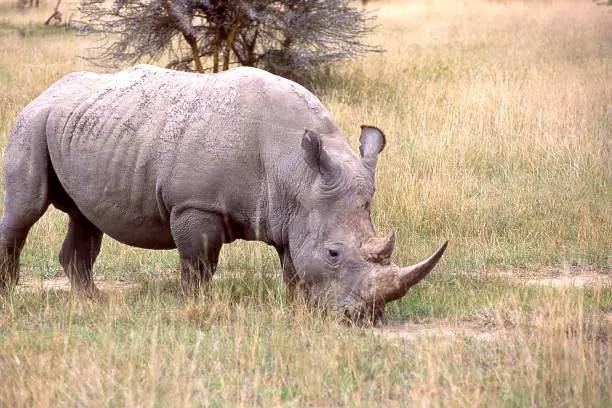
On arrival, begin your game-viewing experience with a focus on the conservancy’s remarkable diversity. Ol Pejeta is especially significant for rhino conservation, including its internationally recognized work with northern white rhinos. If time, access, and the conservancy’s visitor arrangements allow, you may be able to include a visit to a designated conservation or educational area. Any specialist visits should be arranged in advance and should not be assumed to be included automatically in the safari package.
During your game drive, look for elephants moving across the plains, zebras grazing in open areas, and giraffes browsing on trees. The conservancy is also known for its predators. Lions may be seen resting in the shade or moving between hunting areas, while cheetahs and leopards require patience and a keen eye. African wild dogs have also been recorded in the wider area, although sightings are never guaranteed.
For travelers interested in a Black Leopard Safari in Kenya, Ol Pejeta offers an opportunity to search for ordinary leopards and understand predator behavior within the Laikipia ecosystem. However, melanistic leopards are exceptionally rare, and the presence of leopards in a conservancy does not establish that a black leopard will be present or visible there. Your guide should prioritize current, verified wildlife information rather than promising a particular sighting.
Take time during the day to appreciate the conservation work that supports the wildlife. Ol Pejeta illustrates how habitat management, anti-poaching measures, wildlife monitoring, and sustainable tourism can contribute to protecting threatened species.
After the afternoon game drive, settle into your accommodation and prepare for the transition to Mpala Ranch and the final three days of the safari. This extended stay is designed to reduce unnecessary travel and give you more time to observe wildlife in the Laikipia landscape.
Day 5: Mpala Ranch, Laikipia – Begin Your Leopard Safari
After breakfast, depart for Mpala Ranch in the Laikipia region, where the focus of your safari shifts toward extended wildlife observation and predator tracking. The drive time will depend on your starting lodge, the precise destination within the Mpala property, and the road conditions. Your guide will coordinate the transfer to allow time for check-in and, where practical, an afternoon wildlife drive.
Laikipia is one of Kenya’s most fascinating wildlife regions, known for its mix of private ranches, community conservancies, open rangelands, river systems, and conservation initiatives. Wildlife moves through a landscape shaped by both natural processes and traditional livestock management. The region supports elephants, giraffes, zebras, lions, leopards, and other mammals, with species distribution varying from one property to another.
Mpala is particularly associated with research and conservation. The Mpala Research Centre operates across a large Laikipia landscape and supports scientific work on biodiversity, ecology, wildlife movements, and human-wildlife relationships. Its research-led setting makes the wider area especially interesting for visitors who want to understand the ecological processes behind the wildlife encounters they experience on safari.
After settling in, meet your guide for a discussion about the wildlife you hope to observe. For this Black Leopard Safari in Kenya, the priority is to make the most of the remaining days through thoughtful game-drive planning, careful observation, and flexibility. Your guide can explain how leopards use vegetation, rocky outcrops, drainage lines, and areas where prey species gather.
The afternoon drive will introduce you to the property’s habitats and establish a baseline for subsequent searches. Rather than driving continuously in the hope of finding a rare cat, a skilled guide will combine broader wildlife viewing with attention to fresh tracks, recent verified sightings where available, alarm calls, and likely movement corridors.
You may also encounter elephants, antelopes, giraffes, zebras, and a range of bird species. Even when the black leopard remains hidden, these encounters provide valuable opportunities for wildlife photography and a deeper appreciation of Laikipia’s biodiversity.
Return to camp or your lodge after the drive. Following dinner, your guide can review the day’s observations and discuss the next morning’s plan, taking into account local conditions and any reliable wildlife information available.
Day 6: Mpala Ranch, Laikipia – Dedicated Leopard Tracking and Wildlife Photography
Today is dedicated to exploring the wildlife habitats of Laikipia with an emphasis on leopard behavior, predator movements, and photography. An early start is recommended because the cooler hours of the morning can offer rewarding conditions for wildlife viewing. Depending on the property’s rules and the services available, your guide may arrange an early game drive through areas with suitable leopard habitat.
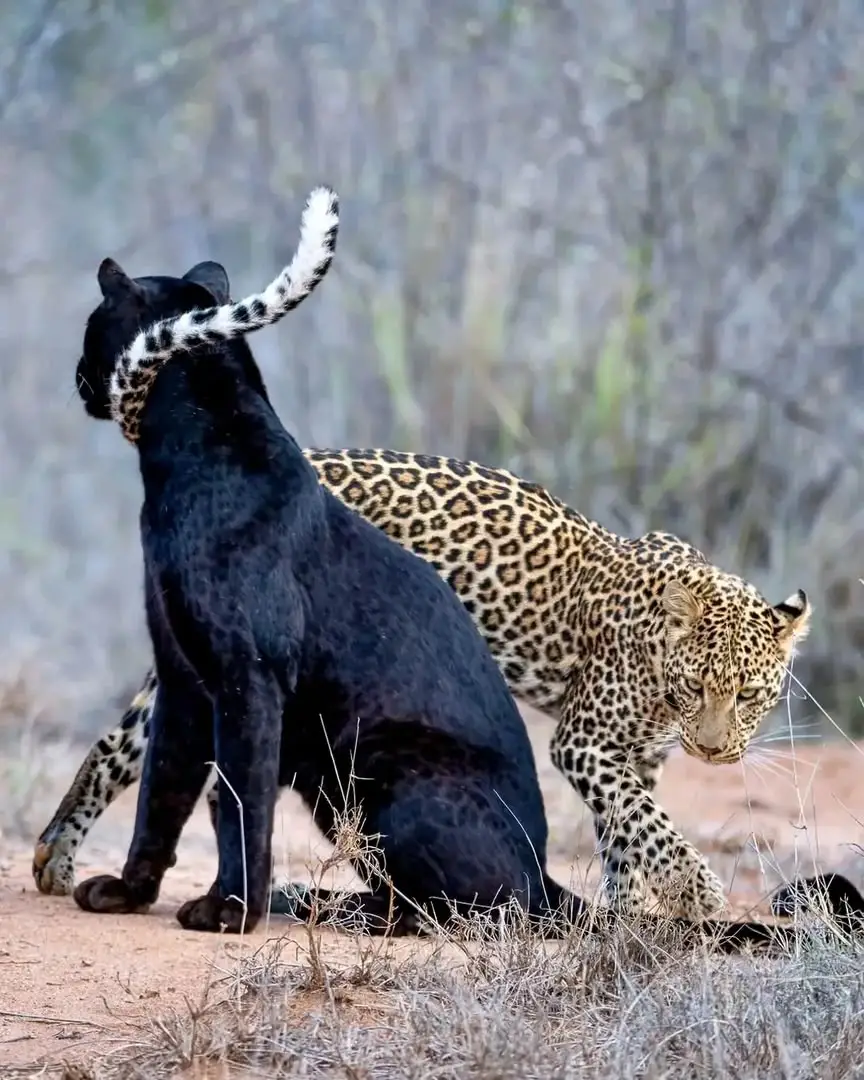
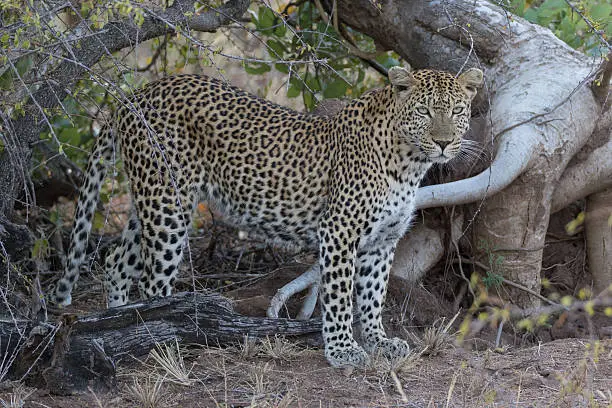
Leopards are adaptable predators, but they are also elusive and often difficult to observe. Their spotted coats provide excellent camouflage, allowing them to disappear into bushes, trees, and rocky surroundings. Melanistic leopards, commonly called black leopards, are particularly challenging to photograph because their dark coats can blend into shaded vegetation. In favorable lighting, however, the characteristic rosette patterns may become visible.
Your guide will look for indirect signs of wildlife activity while continuing to search for other species. These may include tracks in dusty ground, scratch marks, calls from nearby birds, or the behavior of prey animals. None of these signs guarantees a leopard sighting, but they can help guide the search. Responsible tracking requires patience, a good understanding of animal behavior, and respect for the property’s access rules.
After the morning drive, return for breakfast and time to rest. Depending on the accommodation and the day’s arrangements, you may have an opportunity to review your photographs, enjoy the surrounding landscape, or learn more about wildlife conservation in Laikipia. This slower pace is particularly valuable for photographers who need time to manage camera equipment and prepare for changing light.
In the afternoon, head out again for another game drive. Concentrate on observing how predators use their surroundings, rather than focusing exclusively on obtaining a photograph. You may see lions resting in the shade, elephants crossing open country, or antelopes feeding near wooded areas. These sightings also help tell the wider ecological story of the region, where predators depend on healthy prey populations and suitable habitats.
If night drives are permitted by your accommodation and the relevant property regulations, an authorized evening excursion may offer additional opportunities to observe nocturnal wildlife. Such drives should be arranged in advance and conducted only under approved conditions. Artificial lighting must be used responsibly, and any animal showing signs of stress should be left undisturbed.
Return to your accommodation for dinner and an overnight stay. Discuss the day’s sightings with your guide and identify areas worth exploring again on your final full day.
Day 7: Mpala Ranch, Laikipia – Final Full Day of Black Leopard Safari
Your final full day is reserved for further exploration of Laikipia, offering another opportunity to search for leopards and experience the wider wildlife environment. Keeping three consecutive nights in the same area is a deliberate feature of this 8-day Kenya safari: it reduces repeated packing and long transfers while allowing more time for wildlife observation.
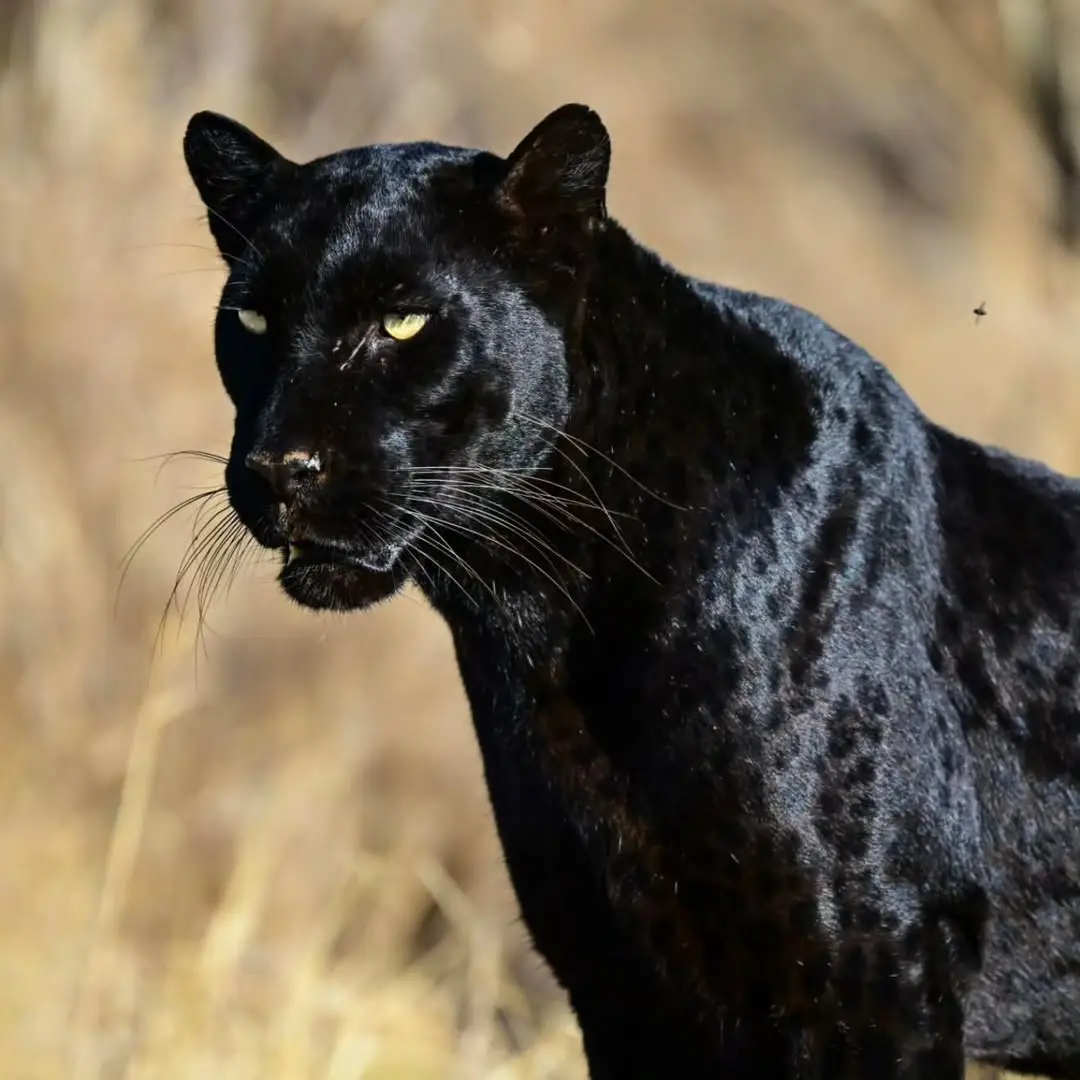
Begin with an early morning game drive, when the landscape is often cool and wildlife may be active. If your guide has access to reliable, recent information about leopard movements on the property, the route can be adapted accordingly. Otherwise, the search will focus on suitable habitats and observable signs of animal activity.
A central goal of today’s experience is to appreciate the difference between an ordinary leopard and a melanistic leopard. Both belong to the same species, Panthera pardus. Melanism is a genetic condition associated with unusually dark pigmentation. Despite their darker appearance, black leopards can still display the familiar rosette patterns of their species, particularly when the light falls across the coat at the right angle.
Laikipia became internationally known for black leopard photography after striking images of a wild melanistic leopard were captured in the region. The wider area remains associated with specialist leopard-viewing experiences, although the location of particular animals and the frequency of sightings can change. This is why the exact property, the most recent reliable sighting information, and the availability of appropriately experienced guides matter when planning a safari specifically around black leopards.
Important planning note: Mpala Ranch and the wider Laikipia region should not automatically be treated as interchangeable with the specific conservancies known for regular black leopard viewing. Before advertising or confirming this itinerary, Native Africa Tours should verify the precise Mpala property and its current access arrangements, and confirm whether specialist black leopard tracking is available there. If the principal objective is to maximize the opportunity of seeing a known melanistic leopard, a property with an established black leopard viewing program may be a more appropriate choice. Even specialist programs cannot guarantee an encounter.
After the morning excursion, return for breakfast and some time to relax. If your interests extend beyond big cats, this is an excellent opportunity to appreciate the area’s birds, smaller mammals, and landscapes. Laikipia is also important for studying the relationships between wildlife, livestock, local communities, and conservation. Your guide may explain how ranch management and conservation initiatives influence the availability of habitat and movement corridors for wild animals.
During the afternoon, set out for your final game drive. The itinerary can remain flexible, with an emphasis on locations that have produced interesting wildlife observations during the preceding days. If you have already encountered a leopard, you can focus on learning more about its behavior, movement, and use of habitat rather than trying to force another sighting.
As the sun sets over Laikipia, return to your accommodation for dinner. This is your final evening in the wilderness, giving you time to review your photographs, reflect on the safari, and enjoy the quiet atmosphere before returning to Nairobi the following day.
Day 8: Transfer to Nairobi and Departure
After breakfast, check out of your accommodation and begin the return journey to Nairobi. Your guide will coordinate the transfer according to your international flight schedule, the road conditions, and the distance from the final accommodation to the airport. Depending on your flight time and the arrangements made, you may travel directly to Jomo Kenyatta International Airport or stop at a hotel in Nairobi before departure.
During the journey, you will leave behind the open rangelands, conservancies, and wildlife habitats that have shaped the past week. The safari has introduced you to several different dimensions of Kenya’s wildlife heritage: the river valleys of Sangare, the rhino conservation landscape of Solio, the extensive wildlife habitats of Ol Pejeta, and the Laikipia region’s distinctive mix of ranching and conservation.
Your experience will have included opportunities to observe wildlife, photograph Kenya’s landscapes, and learn about the importance of habitat protection. If a black leopard sighting occurred, it would be a particularly memorable highlight. If not, the trip can still deliver a rewarding specialist wildlife experience through the animals, habitats, and conservation initiatives encountered along the way.
On arrival in Nairobi, your driver will drop you off at the appropriate airport terminal or another agreed location. Please allow a suitable buffer for the road journey and airline check-in, especially if traveling during periods of heavy traffic.
For guests wishing to continue their African adventure, Native Africa Tours can help arrange additional experiences in Kenya or discuss extensions to other East African destinations, subject to the desired travel dates and availability.
Best Time to Book a Black Leopard Safari in Kenya
Kenya’s Laikipia region can be explored throughout the year, but seasonal conditions influence road access, vegetation, wildlife visibility, and photography.
-
Dry periods: Shorter grass and less dense vegetation can sometimes make wildlife easier to spot. Roads may also be more accessible, depending on local conditions.
-
Rainy periods: The landscape becomes greener, offering attractive scenery and photography opportunities. However, thick vegetation can make elusive cats harder to find, and some tracks may become difficult to navigate.
-
Extended stays: For travelers whose main goal is to see a black leopard, allocating several consecutive nights to an appropriate specialist property is generally more useful than rushing between many destinations.
There is no particular month that guarantees a black leopard sighting. Before confirming travel dates, Native Africa Tours should consult the relevant property about recent sightings, seasonal access, and the availability of specialist viewing vehicles or guides.
Why Choose Native Africa Tours for a Kenya Black Leopard Safari?
Native Africa Tours specializes in designing wildlife journeys around travelers’ interests, available time, preferred accommodation, and desired level of comfort. A specialist itinerary such as this one requires more than simply arranging transfers and game drives. It requires careful coordination between the different properties, a realistic understanding of wildlife viewing, and a willingness to adapt plans to local conditions.
For travelers interested in black leopards, the planning process is particularly important. The most suitable destination should be selected according to reliable information about the animal’s known range and the property’s current viewing arrangements. No responsible safari operator should guarantee a sighting of a wild black leopard.
Native Africa Tours can help coordinate accommodation, ground transport, wildlife activities, and other arrangements for your journey through Kenya. The itinerary can also be tailored for professional photographers, wildlife enthusiasts, couples, private travelers, and small groups.
To discuss this itinerary, visit Native Africa Tours and request a personalized quotation for your preferred travel dates.
Frequently Asked Questions About a Black Leopard Safari in Kenya
1. Where Can You See a Black Leopard in Kenya?
Laikipia is one of Kenya’s best-known regions for black leopard sightings. Certain properties in the area have developed specialist viewing experiences around known melanistic leopards. However, black leopards are rare, and sightings depend on the animal’s movements, the property visited, and the availability of experienced guides.
2. Can I See a Black Leopard at Mpala Ranch?
A black leopard sighting at Mpala Ranch should not be promised without verifying the animal’s presence and the property’s current viewing arrangements. Mpala is recognized for its research and conservation work in Laikipia, but that does not automatically establish it as a dedicated black leopard viewing location. Travelers should confirm the exact property and specialist tracking options before booking.
3. Is an Eight-Day Safari Long Enough to See a Black Leopard?
Eight days allows time to visit several wildlife destinations and spend three nights in the final Laikipia area. Whether that is enough to see a black leopard depends on the location and current sighting conditions. Travelers whose overriding priority is a black leopard encounter may benefit from spending four to seven nights at a specialist property with an established viewing program. Even an extended stay cannot guarantee success.
4. What Is a Black Leopard?
A black leopard is a leopard with melanism, a genetic condition associated with unusually dark pigmentation. It is not a separate leopard species. Its coat may appear almost completely black, although the characteristic rosette markings can sometimes be seen under favorable lighting.
5. Can I Photograph a Black Leopard on This Safari?
Wildlife photography is a major focus of this itinerary. A private vehicle can offer greater flexibility when the property permits it, and a guide familiar with the area can help position the vehicle responsibly. Photographing a black leopard can be technically challenging because its dark coat blends into shaded vegetation. A suitable camera, a fast lens, and familiarity with low-light photography are helpful, but the opportunity to photograph one depends on actually encountering the animal.
6. What Other Animals Can I See During This Safari?
Depending on the location and conditions, you may encounter lions, ordinary leopards, elephants, rhinos, buffaloes, zebras, giraffes, antelopes, hyenas, and numerous bird species. Sangare, Solio, Ol Pejeta, and Laikipia each offer different wildlife habitats and conservation experiences.
7. Is This Safari Suitable for First-Time Visitors to Kenya?
Yes. The itinerary combines Nairobi’s attractions with guided wildlife experiences in several destinations. First-time visitors can learn about Kenya’s wildlife and conservation areas while enjoying the services of an organized safari operator. The road transfers and accommodation should be tailored to the traveler’s comfort preferences.
8. Can This Itinerary Be Customized?
Yes. Accommodation standards, private vehicle arrangements, photography requirements, additional nights, and optional activities can be discussed when preparing a quotation. If seeing a black leopard is the principal purpose of the trip, the itinerary should be reviewed to ensure the selected property has appropriate specialist viewing arrangements.