Rwanda gorilla trekking in the dry season
Understanding the nuances of the seasons is crucial for planning the perfect primate safari. While Rwanda is a year-round destination, the dry season stands out as the premier time for gorilla trekking. This comprehensive guide explores why the dry season is the golden window for gorilla trekking in Rwanda, what to expect, and how to prepare for an unforgettable adventure in Volcanoes National Park.
Understanding Rwanda’s Dry Season
Rwanda’s geographical location near the Equator grants it a temperate tropical highland climate. However, the altitude – Volcanoes National Park sits at roughly 2,500 to 4,500 meters – moderates the heat and dictates the weather patterns. The dry season generally occurs in two distinct windows:
- The Long Dry Season: June to September
- The Short Dry Season: mid-December to early February
These periods are characterised by lower rainfall, less humidity, and clearer skies. Unlike the heavy downpours of the rainy seasons, which can turn trails into mudslides and obscure the volcanic peaks with thick mist, the dry season offers hikers a reprieve. The sun shines brighter, the vegetation dries out, and the overall trekking conditions become significantly more manageable.
Why Trek in the Dry Season?
Choosing to trek during the dry months offers several distinct advantages that directly impact the quality and enjoyment of your experience.
Navigable Hiking Trails
The most immediate benefit of dry weather is the condition of the terrain. Volcanoes National Park is rugged. The landscape consists of steep volcanic slopes, dense bamboo forests, and tangled undergrowth. During the rainy season, the red clay soil becomes incredibly slippery and sticky. Hikers often find themselves sliding backwards or sinking ankle-deep in mud.
In the dry season, the ground is firmer. While the hike is still physically demanding, it involves hours of walking at high altitude, and the footing is more secure. This stability reduces the risk of injury and allows you to focus more on the forest and less on where you place your next boot.
Ease of Photography
For many, capturing the moment of encountering a gorilla is a primary goal. The dry season is a photographer’s dream. The rains can bring low-hanging clouds and mist that make lighting difficult and autofocus unpredictable. In contrast, the dry season often brings clear morning light that filters through the canopy, creating stunning, dramatic lighting conditions.
Moreover, drier vegetation means fewer water droplets on your lens. You are more likely to get crisp, clear shots of the gorillas against the backdrop of the lush green forest, or even with the spectacular volcanic peaks (like Mount Karisimbi or Mount Bisoke) visible in the distance.
Accessibility and Logistics
Rwanda’s infrastructure is excellent, but the roads leading up the mountains to the park headquarters can still be tricky. During the rainy season, sudden storms can make the drive slower and more treacherous. The dry season ensures that transfers from Kigali to Musanze (the town nearest the park) are smooth and pleasant.
Furthermore, if you plan to combine your gorilla trek with other activities, such as the Golden Monkey trek, a hike to Dian Fossey’s tomb, or a visit to Lake Kivu, dry weather ensures these excursions are rarely cancelled due to inclement weather.
The General Atmosphere
There is a tangible energy in the air during the dry season. The sun warms the highlands, making the picnic lunch at the park headquarters a delightful social event where trekkers from around the world swap stories. The evenings at your lodge are perfect for enjoying a sundowner by the fire pit without the damp chill that seeps into everything during the wet months.
What Challenges are Associated with Rwanda Gorilla Trekking in the Dry Season?
It is important to be honest about the downsides of the dry season: it is also the peak tourist season. Because the conditions are optimal, this is when everyone wants to visit. This popularity brings two main challenges:
Permit Availability: Rwanda limits the number of gorilla permits issued daily to protect the animals. There are only 96 permits available per day. During June, July, August, and January, these permits sell out months, sometimes a year, in advance. You cannot simply show up and buy a ticket.
Crowds: The park feels busier. You will see more groups at the headquarters, and the popular lodges are fully booked.
To mitigate this, savvy travellers book their permits and accommodations as early as possible. Once you are on the trail, however, the groups disperse. You are limited to eight people per gorilla family, so once you enter the forest, the crowds vanish, and the experience feels intimate and exclusive.
What to Expect on a Dry Season Trek
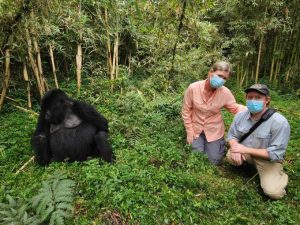
A typical day during the dry season starts early. You will wake up to the chill of the highland morning, a crispness that is refreshing rather than biting. After a hearty breakfast, you drive to the park headquarters. Here, you are assigned to a group of eight people based on your fitness level and hiking preference. You meet your guide and trackers. The briefing sets the stage: you learn the rules of engagement, keeping a 7-meter distance, lowering your voice, and avoiding direct eye contact if a silverback charges.
The trek can last anywhere from 30 minutes to 6 hours. In the dry season, the paths are clearer, but the gorillas move higher up the mountains in search of fresh bamboo shoots and food. Because the food sources at lower altitudes might be less abundant or drier, you may find yourself hiking a bit longer and steeper than you would in the rainy season.
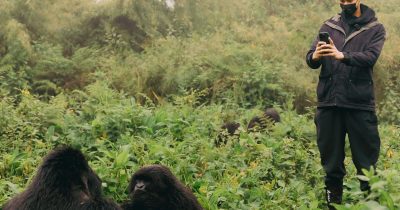
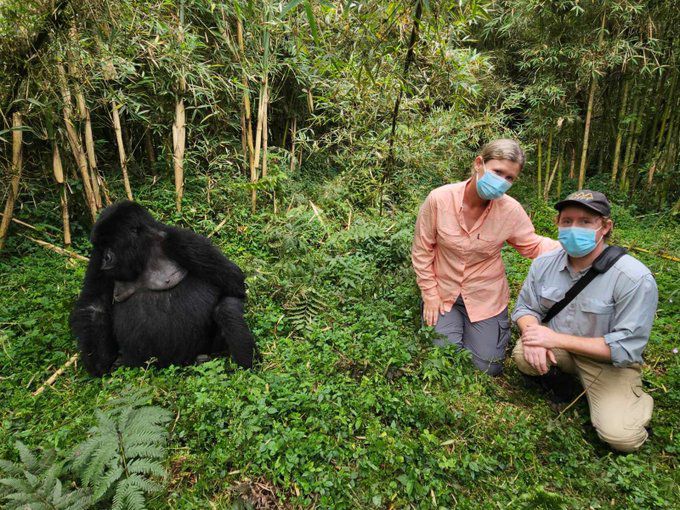
When you finally find the gorillas, the fatigue evaporates. Watching a silverback chew on bamboo while infants tumble over his back is a sight that defies description. The one-hour window you are allowed with them feels fleeting. In the dry sunshine, their black fur glistens, and every interaction is sharp and vivid.
Packing for the Dry Season
Even though it is the “dry” season, this is still a rainforest. “Dry” is relative, especially at high altitudes where the weather can change in minutes. Here is an essential packing list:
- Hiking Boots: Waterproof, broken-in boots with good ankle support are non-negotiable. Even in the dry season, the mornings are dewy, and streams must be crossed.
- Layered Clothing: Mornings start near freezing (close to 0°C / 32°F) at the base of the volcanoes. As the sun rises and you hike, it warms up significantly. Wear a t-shirt, a fleece, and a waterproof jacket. You can peel layers off as you go.
- Gardening Gloves: The terrain involves grabbing onto vegetation for stability. Stinging nettles are common, so thick gloves are a lifesaver.
- Sun Protection: The equatorial sun is strong at altitude. Bring a wide-brimmed hat, sunglasses, and high-SPF sunscreen.
- Water and Snacks: Dehydration is a risk at high elevation. Carry at least two litres of water and energy-rich snacks.
- Walking Stick: These are provided at the park headquarters, but having a sturdy stick (or bringing your own trekking poles) helps immensely with balance on the steep slopes.
Is the Dry Season Right for You?
If you are looking for the best hiking conditions, the clearest views, and the most reliable weather, then the dry season is undoubtedly the best time to go. The trade-off is the higher cost and the need for early booking, but the ease of access and the quality of the experience make it worth every penny.
Trekking to see the mountain gorillas in Rwanda is a profound experience that transcends a typical safari. It is a journey into the heart of the wild. While the gorillas are there year-round, doing it in the dry season removes the battle against the elements, allowing you to fully immerse yourself in the mystery and majesty of the mist. As you stand in the presence of a silverback, bathed in the golden equatorial sun, you will realise that there is no place on Earth quite like it.
Start planning early, secure your permit, and prepare for the adventure of a lifetime in the Land of a Thousand Hills.