
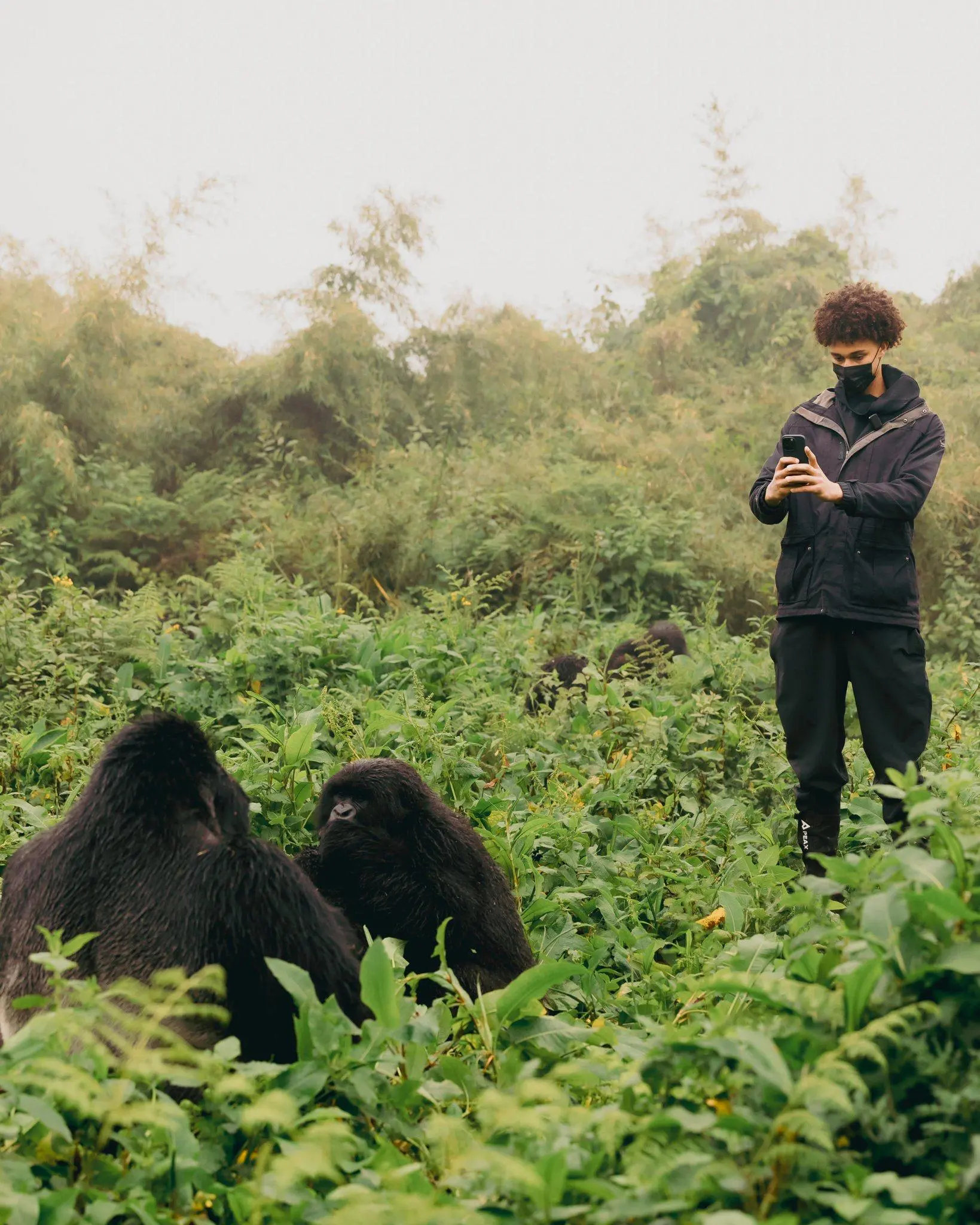
Rwanda Gorilla Trekking in the Rainy Season
Rwanda is one of the most remarkable places on earth for gorilla trekking. The country’s conservation efforts, protected forests, and well-managed trekking programs have made it possible for visitors to experience endangered mountain gorillas in their natural habitat with a level of safety and guidance that’s hard to find elsewhere. While most travellers imagine Gorilla trekking under blue skies, the rainy season in Rwanda offers a different side of the rainforest experience. For the adventurous traveller, it can be an unforgettable time to go gorilla trekking in Volcanoes National Park.
Rwanda Gorilla Trekking in the rainy season doesn’t mean the experience is “ruined” by the weather. In many cases, it means the forest is alive in ways you can’t fully see during drier months: mist rising from the trees, fresh green growth, louder bird calls, and a sense that the jungle is in full motion. Still, rain brings practical challenges (mud, slippery trails, and cooler conditions), so preparation matters. If you go in with the right mindset and gear, Rwanda gorilla trekking in the Rainy season can be just as rewarding, and sometimes even better, than trekking in peak dry season.
Understanding Rwanda’s Rainy Season
Rwanda experiences two main rainy periods, though exact timing can vary slightly from year to year. In broad terms, travel planning often revolves around these wetter stretches and the shoulder conditions between them. The most important thing to know isn’t just “rainy season,” but that the forest environment changes quickly: a heavy downpour can pass, leaving the ground saturated for hours or even days.
Fortunately, Rwanda’s trekking program is designed to be safe and consistent across seasons. Rangers and guides know the terrain and make real-time decisions based on where the gorillas are and how the forest is behaving.
What the Rain Feels Like on the Ground
In the rainy season, the trekking day begins with anticipation and quickly becomes about rhythm. You’ll start in the early morning, and as the hike continues, the rain can range from a light mist to steady rainfall.
The key difference from dry-season trekking is how the forest floor reacts. Even if the rain is light, paths can become slippery. Sections of the trail may look solid, but turn into mud once feet sink and vegetation clings to boots. You may also experience water pooling in depressions and thin layers of mud that conceal uneven surfaces.
Because of this, rainy-season gorilla trekking tends to be more physically demanding. Not necessarily longer in distance, but harder in effort. The good news is that the same factors that make the trail challenging can make the whole day more immersive and atmospheric.
How Rain Changes the Gorilla Trekking Experience
One of the most common questions travellers have is: Will I still see the gorillas if it’s raining? In Rwanda, the short answer is yes, gorilla trekking proceeds as normal, and rangers keep tracking teams safe and on route. Rain does not automatically cancel a trek, but it can affect the pace and route your team takes.
Gorillas typically remain comfortable in various weather conditions. In fact, rain can sometimes make the forest feel calmer, with mist softening the landscape and the team moving with fewer sudden surprises. The experience may feel more “protected” by the environment, like you’re stepping into a living green world.
A Rainy Season Advantage
The rainy season often rewards your senses. Even when visibility is reduced, the forest becomes visually striking.
Expect vivid greenery and fresh plant growth, shiny leaf surfaces that reflect light when breaks in rainfall occur, earthy smells, dramatic waterfalls and streams (depending on your route and region), and a moody, cinematic atmosphere even without clear skies
Rainy forests don’t look “grey” the way some people imagine. They look saturated, textured, and full of depth. For photographers, this can be a golden time, though you’ll need to protect your equipment and accept that conditions might be low-light or misty.
Dressing for Rainy Season Trekking
If you’re planning a Rwanda gorilla trek during the rainy season, the best investment you can make is in practical clothing. The goal isn’t to avoid getting wet, it’s to get wet in a controlled way and stay warm enough to enjoy the experience.
A rainy-season gorilla trek typically calls for:
- Waterproof or water-resistant outerwear (jacket or poncho with good coverage)
- Quick-drying layers underneath (so you don’t stay cold and soaked)
- Waterproof hiking boots with strong traction
- Gaiters (helpful to prevent water and mud from entering boots)
- Water-resistant gloves or at least gloves you don’t mind getting muddy
- A rain cover for your daypack
- A lightweight rain poncho in case the jacket isn’t enough during heavier downpours
Even with waterproof gear, your lower legs may pick up mud. That’s normal. The main thing is to prevent prolonged cold exposure. If your body stays reasonably warm and your boots have grip, you’ll be able to focus on the moment you’ve come for.
What the Gorilla Moment Feels Like in the Rain
There’s something unforgettable about witnessing mountain gorillas when the air is misty and the leaves are wet. Your senses become sharper. Even small details stand out: the rhythm of movement, the texture of fur, and the way gorillas pause as if they’re simply part of the rainforest’s weather.
Once your group finds the gorillas, the trek becomes quieter emotionally. Rwanda Development Board (RDB) Guides and rangers will keep distance rules clear. You may hear raindrops falling while you watch a silverback or a mother gorilla interact with her family. The rain doesn’t feel like an interruption; it feels like the setting you’re meant to experience.
That moment, when your guide points out the gorillas, and you realise they’re closer than you imagined, is the reason you came. Rain can’t change that. It may make you slower to approach, but it also makes the experience feel deeper and more alive.
Is Rainy Season Recommended?
Rainy season gorilla trekking in Rwanda is recommended for travellers who are willing to embrace nature’s conditions rather than fight them. If your travel style is flexible, the rainy season can provide a richer sensory experience.
It may be less ideal if:
- You have mobility limitations that make slippery terrain hard
- You’re unwilling to get wet or can’t manage cold exposure
- You prefer predictable outdoor conditions and short hikes
But for most travellers, the rainy season offers an equal chance of success and an enhanced atmosphere. The forest feels alive, and the memories can be unforgettable precisely because the weather makes it more real.
Conclusion
Rwanda gorilla trekking in the rainy season is not just a “backup plan” for travellers who missed dry-season dates. It’s a legitimate way to experience the rainforest at its most intense, lush, misty, and alive with sound and motion. The practical challenges are real: muddy trails, cooler air, and the need for careful packing. But once you’re in the forest, the rain becomes part of the story rather than an obstacle. When you finally encounter gorillas, you’ll understand why many travellers consider rainy-season trekking their best decision. In the end, Rwanda’s rainy season doesn’t prevent wonder. It deepens it.