Why the Low Season is the Best Time for Gorilla Trekking in Bwindi
When travellers dream of encountering the majestic Mountain Gorillas of Uganda, their minds almost invariably drift to June through September. These “dry season” months are touted as the golden window for tourism: clear skies, minimal rain, and easier trails. However, for the intrepid and the discerning traveller, there is a secret whispered among safari guides and seasoned conservationists. The true magic of Bwindi Impenetrable National Park is not found when the sun is high and the trails are dusty but rather when the clouds descend and the forest breathes. Discover why the low season is the best time for gorilla trekking in Bwindi. Fewer crowds, lower costs, and lush scenery await.
The Bwindi low season, specifically March, April, May, and November, is often dismissed due to the promise of rain. Yet, this period offers a gorilla trekking experience that is, in many ways, superior to the peak summer months. It is a time of profound silence, lush vibrancy, and unparalleled exclusivity. If you are willing to embrace a little mud and a bit of mist, the low season rewards you with a Bwindi that feels entirely your own.
The Economics of Adventure
Let us address the most practical benefit first: accessibility. Gorilla trekking is a luxury experience, and the price of the permit, currently set at $800 for foreigners, reflects that. However, during the low season, the Uganda Wildlife Authority (UWA) has historically offered promotional discounts, sometimes reducing the permit price to $600. High-end lodges and boutique hotels, which are often fully booked months in advance during the dry season, offer attractive rates.
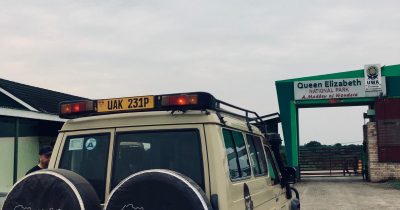
This price shift does more than just save money; it upgrades the experience. During the peak season, a budget traveler might struggle to afford the luxury eco-lodges that perch on the edge of the forest. In the low season, those same lodges become attainable. Imagine sipping a hot coffee on your private veranda, watching the mist roll over the canopy of the Impenetrable Forest, knowing you are paying a fraction of the peak-season price. This financial breathing room allows travelers to extend their stay, perhaps adding on a chimpanzee trek in Kibale or a safari in Queen Elizabeth National Park, transforming a quick trip into a grand Ugandan odyssey.
The Solitude of the Forest
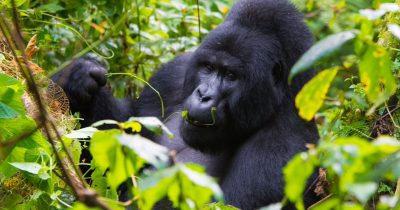
The most compelling argument for low-season trekking, however, is not financial, but experiential. Bwindi is becoming increasingly popular, and during the high season, the park can feel surprisingly busy. With several habituated gorilla families visited daily by groups of eight tourists, the trails and gathering points can feel congested. The magic of stumbling upon a prehistoric giant in the wild can be slightly dampened by the sound of other hiking parties cracking dry branches nearby.
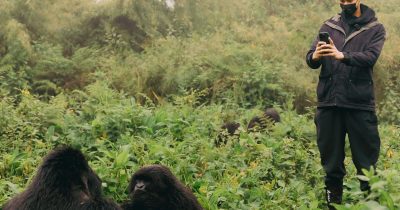
In the low season, this crowding vanishes. The tourist numbers drop significantly, and the sense of isolation returns. When you set out in the morning, you feel like the first person to walk the earth. The forest is quieter, the sounds of humanity replaced by the calls of the chimpanzees and the rustle of the wind. When you finally find the gorillas, the encounter feels intimate and private. Without the background noise of other trekking groups or the pressure of a tightly packed schedule, the one hour you spend with the giants feels stretched, sacred, and profound.
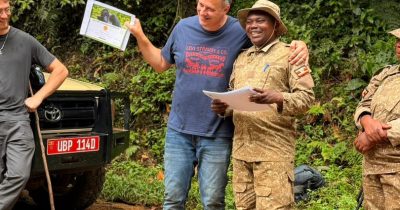
The guides, too, are more relaxed and attentive. With fewer groups to manage simultaneously, they can spend more time explaining the intricacies of the flora and fauna, pointing out the tiny chameleons or the peculiar orchids that might be overlooked in the rush of peak season. The pace becomes gentler, allowing for a deeper connection with the environment.
Rains are not a must during low seasons
There is a misconception that rain ruins a safari. In Bwindi, rain is the safari. The park is a rainforest, after all. Visiting in the dry season offers a brown, dusty landscape; visiting in the low season reveals Bwindi in its full, resplendent glory. The rains turn the forest into a vibrant, neon-green cathedral of life. The air is crisp and washed clean, carrying the scent of damp earth and wild vegetation.
For photographers, the low season is a paradoxical gift. While overcast skies mean less bright light, they also mean no harsh shadows and no washed-out highlights. The diffuse light of a cloudy day is perfect for capturing the deep, black fur of the gorillas and the rich textures of the jungle. The mist that clings to the hills adds an atmospheric, moody quality to photos that a sunny blue sky simply cannot replicate. The images you capture in the low season look like they were lifted from a National Geographic documentary, moody, raw, and teeming with life.
Furthermore, the rainy season coincides with peak fruiting times for many forest trees. This abundance of food draws the gorillas to lower elevations and keeps them in feeding frenzies, often resulting in more playful and active behavior. While dry-season gorillas can sometimes be lethargic due to the heat, the low-season cool keeps them energetic.
The Birdwatcher’s Bonanza
Bwindi is recognized as a UNESCO World Heritage site not just for gorillas, but for its incredible biodiversity, particularly its birdlife. It is home to over 350 bird species, including 23 endemics found only in the Albertine Rift. For ornithologists, the low season is arguably the best time to visit.
Food is plentiful during the rains, and birds are in breeding plumage, making them more vocal and easier to spot. The elusive African Green Broadbill, the Ruwenzori Turaco, and the Regal Sunbird are active and conspicuous. Since you aren’t rushing to beat the heat or the crowds, you have the luxury of stopping to admire the avian life along the trail. The soundtrack of the forest in the low season is a symphony of bird calls that adds a rich layer to the trekking experience.
Embracing the Mud – The Adventure Aspect
It would be disingenuous to suggest that low season Gorilla trekking in Bwindi without its challenges. The trails in Bwindi are steep and rugged even in the dry sun. In the rain, they become muddy and slippery. You will get dirty. Your boots will be caked in the famous red Bwindi clay.
However, this is part of the charm. It adds a layer of adventure to the endeavor. There is a deep sense of satisfaction in “earning” your encounter with the gorillas, sliding down a muddy slope and hauling yourself up a root, heart pounding, sweat mixing with the rain. It makes the moment you finally push aside a branch and lock eyes with a Silverback even more electric.
The park rangers are well-equipped for these conditions, often carrying machetes to clear the overgrown vegetation that flourishes in the wet. The rain gear—the ponchos and gaiters—becomes part of the uniform of the explorer. And usually, the rain in the tropics is not a day-long drizzle. It is often a sudden, dramatic downpour followed by brilliant sunshine or a lifting mist, creating a dynamic and ever-changing landscape.
Availability and Flexibility
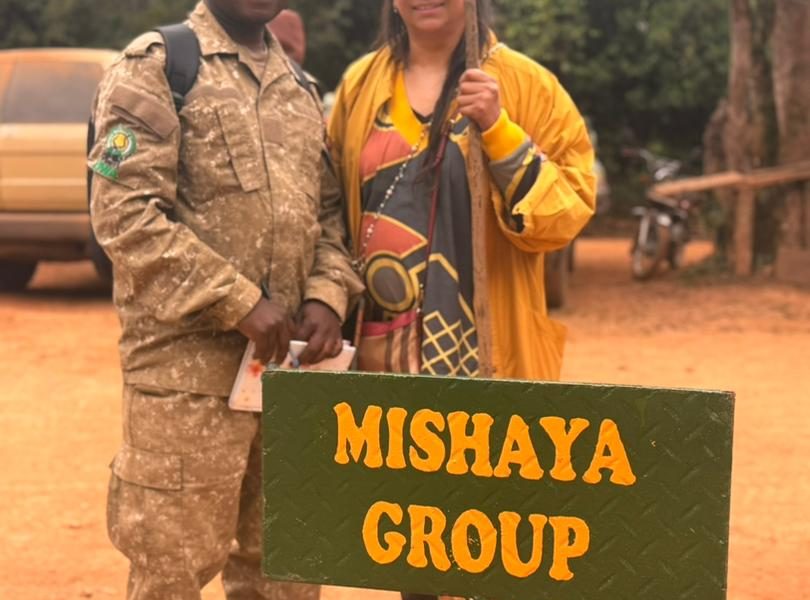
One of the biggest stressors of planning a gorilla trek is securing a permit for the specific gorilla family you want to see. Some families, like the Rushegura group or the Habinyanja group, are famous for their accessibility and unique dynamics. During the high season, these families are booked out six months to a year in advance.
In the low season, Bwindi Gorilla Trekking Permits availability opens up significantly. This allows for flexible planning. You can decide to visit with relatively short notice. If you have a preference for a specific sector of the park, perhaps the Ruhija sector for its birdlife or the Nkuringo sector for its views, you are much more likely to secure a spot there. This flexibility also allows for logistics; booking helicopters or drivers is easier, and you are not competing with hundreds of other tourists for services.
Pack your Bags and Go Gorilla Trekking During this Time
Ultimately, the Mountain Gorillas do not have an “off” switch. They are there, rain or shine, living their lives in the mist. The Silverback will still patrol his territory; the juveniles will still wrestle in the undergrowth; the mothers will still cradle their infants. Their majesty is not diminished by the rain; if anything, the drama of the weather heightens it.
If you are seeking a sanitized, easy walk in the park, stick to the dry season. But if you are seeking an adventure, the low season is the superior choice. It offers the silence of the forest, the exclusivity of the encounter, the vibrancy of life, and the satisfaction of knowing you have braved the elements to witness a miracle. In Bwindi, the rain doesn’t spoil the view; it clears the air, ensuring that when you finally look into the eyes of a gorilla, the world around you has faded away, leaving only you, the forest, and the giant.