
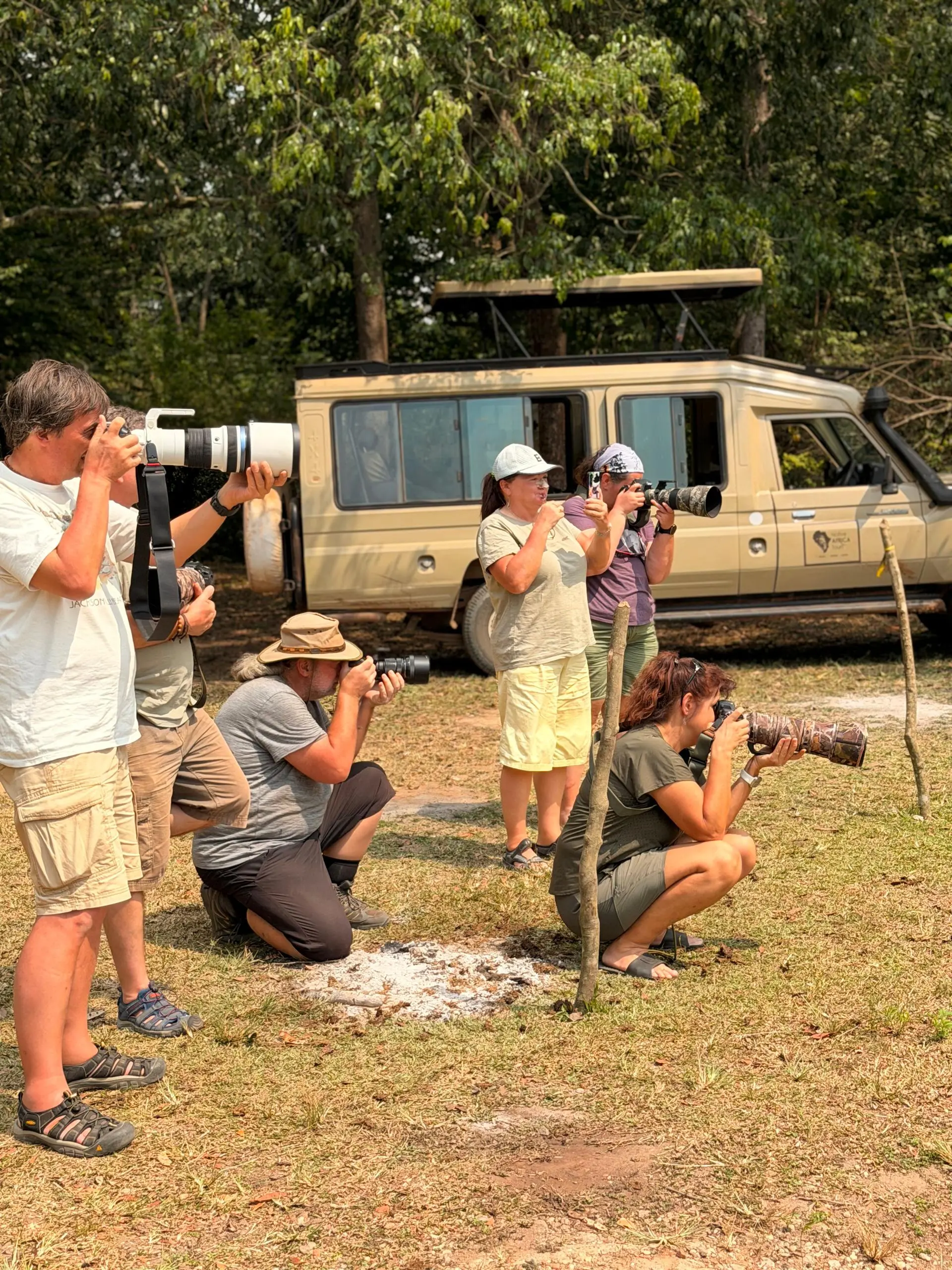
Wildlife Photography in Uganda
Uganda is one of Africa’s most rewarding places for wildlife photography. The country offers everything from dense rainforest scenes to open savanna vistas. That variety translates directly into photographic variety: primates with expressive faces, iconic mammals in dramatic light, and landscapes that feel alive even when the subject is quiet. But wildlife photography in Uganda isn’t just about gear and luck. It is about timing, patience, ethics, and learning how the light and habitats behave across regions.
This guide walks you through what makes Uganda special for wildlife photography, how to plan your trip, which species and settings to prioritise, and the techniques that consistently help photographers capture images that feel both powerful and respectful.
Why Uganda Is a Photographer’s Dream
Uganda’s wildlife photography opportunities are shaped by its geography. Forested ecosystems in the west and south give you chances at primates and elusive forest wildlife, while the north and northeast offer access to savanna-adjacent landscapes with large mammals and birdlife. Even within a single day, you can experience different textures of nature (muddy riverbanks, misty forests, bright grasslands), each with its own lighting conditions and photographic challenges.
Another reason Uganda stands out is that wildlife viewing is often intimate. Unlike places where wildlife tends to be far away, Uganda’s habitats frequently put you closer to animal behaviour. In the rainforest, you may be following slow, deliberate movements in the thick canopy. On savanna routes, you may encounter animals at water sources or along travel corridors. The key is to approach each setting with the right strategy: different focal lengths, different expectations, and different ways of working around obstacles like vegetation and humidity.
Finally, Uganda has a deep conservation identity. Many encounters depend on protected areas and guided systems that place limits on how visitors move and behave. For photographers, those boundaries are not obstacles; they are part of what makes the experience meaningful. If you plan well and shoot responsibly, the results can be spectacular.
The Best Regions for Wildlife Photography in Uganda
While Uganda is large, most wildlife photography itineraries cluster into a few classic regions. Which one you choose determines your species list, your landscape style, and your shooting schedule.
Queen Elizabeth National Park (Western Uganda)
This is a top pick for photographers who want variety in one location. Expect savanna scenes, tree-dotted grasslands, water-related habitats, and excellent chances for mammals and birds. The park’s landscape also supports storytelling images: animals with mountains in the background, reflections on water, and atmospheric midday haze.
A photographer’s advantage here is flexibility. If you’re not finding a specific species, you can shift your focus toward behaviour, smaller mammals near vegetation edges, or birds using the same general routes.
Murchison Falls National Park (Northwest Uganda)
Murchison Falls is a dramatic landscape; river, cliffs, mist, and a strong sense of “power” created by water and wildlife sharing the same corridors. The falls area can be a photography highlight because of the interplay between subject and environment. You will also find great opportunities for mammal and bird photography around water. Expect movement: animals use rivers and edges as feeding routes, and this produces dynamic frames if you’re ready for action and changing light.
Bwindi Impenetrable Forest and Mgahinga (Southwest Uganda)
If you want primate-focused wildlife photography, southwest Uganda becomes essential. Bwindi is famous for mountain gorillas, while Mgahinga Gorilla National Park offers additional primate and forest scenes. These ecosystems are photographic gold: textured foliage, soft shadows, and subjects whose faces can look impossibly expressive even in low light.
However, this region requires preparation beyond camera settings. Rainforest photography demands patience, physical readiness, and a deep respect for close-range rules. You will often work with constraints on movement and proximity, so planning your shots before you arrive matters.
Planning Your Uganda Photo Trip
Great wildlife photos come from preparation. In Uganda, planning is especially important because wildlife and lighting are never fully predictable. A good plan gives you structure without killing spontaneity.
Choose your months carefully.
Uganda’s seasons influence everything: road conditions, rainfall frequency, and animal behaviour. In rainforest areas, rain affects both visibility and comfort. In savanna regions, the landscape can shift from lush green to drier grass depending on the time of year.
If you’re aiming for gorilla trekking, schedule decisions matter too. You’ll want enough time to adapt if the weather reduces visibility or movement. If you’re aiming for savanna predators or large mammals, consider how seasonal changes influence water availability and animal movement.
Research rules and restrictions early
Wildlife photography in protected areas often includes rules about distance, timing, and noise. Many opportunities are guided and may have specific protocols for cameras, flash use, and movement. Learning these details in advance protects you from last-minute disappointment and helps you maintain safe, ethical behaviour for animals.
Plan your daily rhythm.
Most wildlife photography benefits from morning and late afternoon light. Midday can still work, but you’ll usually need a different style, behaviour close to vegetation, high-contrast silhouettes, or bird photography where you can locate subjects under bright conditions. Build your days around the light you want, but also remember that gorilla trekking and some guided experiences are schedule-bound.
Species and Subjects to Prioritise on a Uganda Photography Safari
Uganda’s wildlife photography isn’t one-size-fits-all. Your best results come from prioritising based on your region and access. Still, certain subject categories appear again and again in top Uganda portfolios.
Birds
Bird photography can be one of Uganda’s most consistent wins, because birds are frequently visible and active even when mammals are quiet. In forest edges and around water, birds also create layering opportunities, foreground foliage, mid-ground subjects, and distant backgrounds.
Look for perches with interesting light, branches catching the sun, birds near river edges, or silhouettes against a bright sky. Birds are often easiest when you focus on behaviour rather than just the “perfect” pose.
Primates
Forest primates can be incredibly expressive. Even when they aren’t “in your face,” their micro-behaviours, head tilts, grooming, and social interaction often make the best photos. Focus on eye detail and moment-to-moment action. A “sharp head with a meaningful action” usually beats a perfectly posed shot with no story.
Large mammals
When mammals appear, timing matters. In savanna settings, your goal is often to capture animals in natural contexts: walking through grass, feeding at edges, drinking near water, or moving in lines that reveal social structure. Watch how animals use the landscape. If you understand their routes, river edges, trails, and water sources, you’ll predict better than you will chase.
Gorilla photography
If you go to Bwindi, the gorilla photography experience is often the trip’s emotional peak. From a photography perspective, it’s also challenging: low light, dense greenery, and strict guidelines. But the images you take can be unforgettable because they capture a rare kind of closeness and human-like social behaviours. Prepare for low light with higher ISO and wider apertures, but prioritise shutter speed enough to freeze facial motion. Composition matters too: include leaves and shadows to show scale and atmosphere, not just faces.
Ethical Wildlife Photography
Uganda’s wildlife experiences depend on rules and respectful observation. Great photographers understand ethics as part of technique. If you push too hard, you not only risk upsetting wildlife—you often reduce your own opportunity for calm, close, meaningful frames.
- Follow the ranger and guide’s instructions without debating them.
- Do not alter animal behaviour with noise, sudden movement, or crowding.
- Keep a distance and avoid blocking travel paths.
- Respect personal and group boundaries (especially in primate and gorilla areas).
- Use lenses to close the gap, not your feet.
Uganda Rewards Patience
Wildlife photography in Uganda is not just about being in the right place; it is about being in the right mindset. Patience is your most valuable tool. When you slow down, keep your movement minimal, and respect the animal’s space, Uganda delivers what it’s known for: intimate encounters, powerful landscapes, and portraits of wildlife that feel alive rather than staged.